


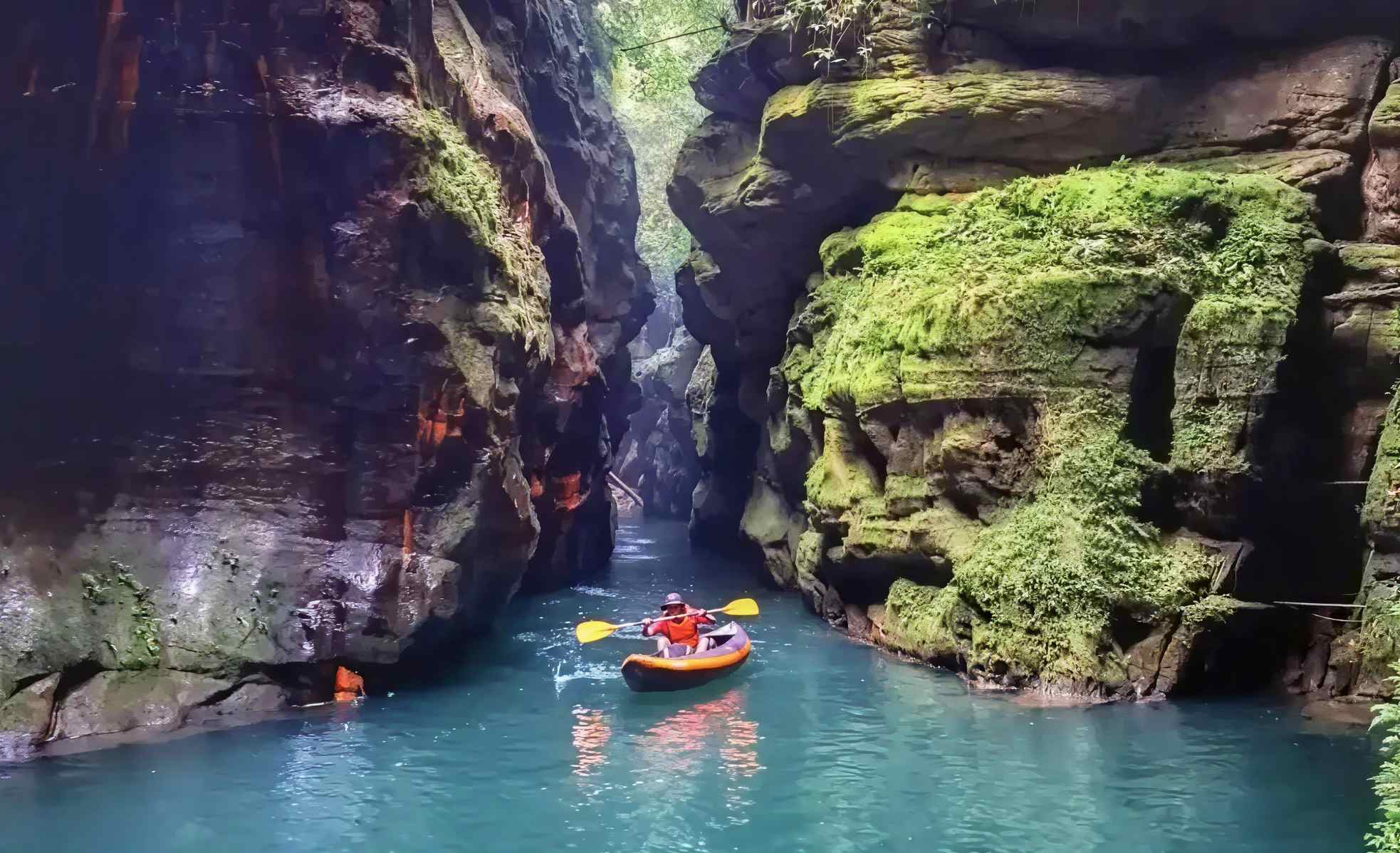
Experience Offbeat Meghalaya Like Never Before — Bamboo Treks, Waterfall Trails & Cave Discoveries Beyond the Tourist Map
By the BreakBag Travel TeamThere's a moment — somewhere between a dripping bamboo forest and a waterfall you can hear before you can see — when you realise that this version of Meghalaya doesn't appear on any tourist brochure. The mist clings to your jacket. The trail underfoot is a mossy tangle of roots and red earth. And there isn't another soul in sight. This is what an offbeat Meghalaya travel guide is really about — not the postcard views, but the raw, breathing, ancient landscape that most visitors never bother to find. Meghalaya, meaning "abode of clouds", sits in the northeastern corner of India and holds more natural drama per square kilometre than almost anywhere on the subcontinent. Hidden waterfalls, labyrinthine cave networks, tribal villages that still practise centuries-old rituals, and trekking trails that wind through cloud forest — this is the Meghalaya that rewards the curious. The one that changes you. If you've been searching for unexplored places in Meghalaya or wondering whether those bamboo treks you read about in a single obscure forum post are real — they are. And this guide will take you there.
Quick Facts About Offbeat Meghalaya
Detail |
Information |
|---|---|
|
Location |
Meghalaya, Northeast India |
|
Best Time to Visit |
October – April |
|
Nearest Major Airport |
Lokpriya Gopinath Bordoloi Airport, Guwahati (~100 km from Shillong) |
|
Nearest Small Airport |
Umroi Airport, Shillong (~30 km from Shillong) |
|
Base City |
Shillong |
|
Primary Language |
Khasi, Garo, Bengali, English |
|
Currency |
Indian Rupee (INR) |
|
Known For |
Living root bridges, waterfalls, cave systems, Khasi culture |
|
Permit Required |
Inner Line Permit (ILP) not required for most; check for restricted zones |
|
Mobile Network |
Patchy beyond Shillong — download offline maps |
|
Emergency Number |
112 (National Emergency) |
Why Meghalaya's Offbeat Side Still Feels Like India's Last Great Secret
Let's be honest — Meghalaya has begun attracting attention. Cherrapunji, Dawki, and the double-decker living root bridge near Nongriat appear on every Northeast India itinerary now. Instagram has found them. Tour buses have followed. But here's what most travellers don't know: those celebrated spots are gateways, not destinations. Scratch just a little deeper — take a road less smooth, wake up an hour earlier, ask a local rather than a travel agent — and you'll find an entirely different Meghalaya. One that belongs to the fog.
Why It Remains Undiscovered
The geography itself acts as a filter. The East Khasi Hills, the Jaintia Hills, and the deep river valleys of the South Garo Hills are not easily navigable. Roads narrow to tracks. Tracks narrow to footpaths. Footpaths disappear into forest. This natural barrier has protected dozens of villages, waterfalls, and cave systems from the kind of mass tourism that has hollowed out other Indian hill destinations. Then there's the culture. The Khasi people are deeply rooted to their land in ways that go beyond sentiment — it's constitutional, ecological, and spiritual. Sacred forests (Law Lyngdoh and Law Kyntang) are protected not by government policy but by ancestral law. You don't enter without permission. You don't take without asking. This quiet authority over the land has kept it intact. Meghalaya tourism has grown, yes — but the offbeat parts haven't caught up. And that window is still open.
How to Journey Into Meghalaya's Offbeat Waterfall & Cave Country
Getting to the offbeat corners of Meghalaya requires more intention than a standard holiday. Here's how to plan it like someone who knows.
How to Reach Meghalaya
-
By Air: The most practical entry point is Lokpriya Gopinath Bordoloi International Airport in Guwahati, Assam — well-connected to Delhi, Mumbai, Kolkata, and Bangalore. From Guwahati, Shillong is approximately 100 km and takes 2.5–3.5 hours by road (shared sumo or private cab, ₹300–₹1,200). The nearest airport to offbeat Meghalaya for most destinations is Guwahati; Umroi Airport near Shillong handles limited flights.
-
By Train: The nearest railway station to Shillong is Guwahati Railway Station. Multiple overnight trains connect Guwahati with Delhi, Kolkata, and Chennai. From Guwahati station, cabs to Shillong are readily available.
-
By Road: If you're combining offbeat Northeast India travel, Meghalaya is accessible from Assam, Tripura, and Mizoram by national highways. Road conditions improve significantly post-monsoon (October onwards).
Getting Around the Offbeat Routes
-
Shared Sumos (SUVs): The lifeline of Meghalaya's hills. They run fixed routes between towns at very affordable prices (₹50–₹200 per seat).
-
Private Cab Hire: Best for flexibility. Budget ₹2,000–₹3,500/day for a local driver who knows the terrain.
-
Motorcycle Rental: Available in Shillong for the experienced rider. Perfect for solo exploration.
-
On Foot: Some destinations — including the bamboo trek corridors and lower Nongriat — are accessible only on foot. Good trekking shoes are non-negotiable.
Pro tip: Always hire a local guide for offbeat routes. Beyond safety, they open doors — to families, to forest paths, to meals that will be the highlight of your trip.
Where the Clouds Sink Low & the Silence of Meghalaya Begins
The first thing that strikes you when you move beyond Shillong is the silence. Not absence-of-sound silence, but the kind layered with birdsong, wind through bamboo, and the distant percussion of water.
The Landscapes You'll Move Through
-
The Cloud Forests of East Khasi Hills: At elevations between 1,200 and 1,960 metres, these forests are perpetually draped in mist. The trees are ancient, twisted, and wrapped in moss so thick it looks painted. In the morning, clouds don't float above — they move through the trees at eye level. This is the "Scotland of the East" that writers were referring to, and it earns the name.
-
The Plateau Edge at Laitlum Canyons: Standing at the rim of Laitlum Grand Canyon — roughly 40 km from Shillong near the village of Smit — you look down into a valley so vast and green that it takes a moment to register what you're seeing. This is one of Meghalaya's most beautiful viewpoints, and on most weekdays, you'll have it entirely to yourself.
-
The River Corridors: As you descend from the plateau toward the Bangladesh border, the landscape transforms. Rivers widen, the water turns impossibly clear — shades of turquoise and jade — and the air becomes tropical. The village of Shnongpdeng on the Umngot River is one such threshold point, where you cross from highland cool into something altogether more lush.
Inside the Bamboo Trails, Ancient Caves & Waterfalls Nobody Told You About
This is what you came for. Let's go deep.
The Bamboo Trek: Meghalaya's Most Atmospheric Walk
The Bamboo Trek is not a single named trail but a cluster of forest routes — primarily around the Mawlynnong–Riwai corridor and the forested hills near Nongriat — where bamboo so dense it blocks the sky lines both sides of a narrow path. Walking through it feels like moving through a green cathedral. The most rewarding version of this trek begins at Riwai village (famous for being one of Asia's cleanest villages) and winds downward through thick bamboo stands toward a series of river crossings. The sounds change every hundred metres: bamboo creak, water splash, bird call. It's meditative in a way that few walks are.
Trek details:
- Distance: 6–12 km depending on route
- Duration: 3–6 hours
- Difficulty: Moderate
- Best done: October to March
- Guide recommended: Yes — for the deeper forest routes
Wei Sawdong Falls: The Three-Tiered Secret
If you ask someone in Cherrapunji about Wei Sawdong Falls, they might shrug. That's exactly why you should go. This three-tiered waterfall sits about 15 km from Cherrapunji and requires a 45-minute trek through pine and bamboo forest to reach. The approach is part of the reward — the sound builds gradually, the mist starts to appear in the air, and then you round a corner and it's simply there: white water cascading over three natural rock shelves into a pool clear enough to count pebbles at the bottom.
Swimming is possible at the base pool. Crowds are not.
Krang Suri Falls: Turquoise Perfection
Located in the Jaintia Hills near Jowai, Krang Suri Falls is arguably the most visually stunning waterfall in Meghalaya that most visitors never see. The water, filtered through limestone, runs a shade of turquoise that looks photoshopped until you're standing knee-deep in it. The waterfall itself drops about 35 metres into a series of pools fringed by jungle. A waterfall trek of about 20 minutes through the forest precedes the main drop. Come early morning for the best light and the fewest people.
Krem Liat Prah: The Deepest Dark
Krem Liat Prah, located near the village of Shnongrim in the Jaintia Hills, is the longest cave in the Indian subcontinent and one of the longest natural cave systems in South Asia — stretching over 30 km in explored passages. It connects with Krem Um Im-Labit to form a system of extraordinary geological complexity. Unlike sanitised tourist caves, Krem Liat Prah requires a caving permit, a guide, and proper equipment. The reward is pure geological theatre: stalactites like frozen waterfalls, underground rivers, chambers the size of aircraft hangars, and a silence so complete it has physical weight. For those not equipped for full caving expeditions, Krem Dam Cave near Dawki offers a more accessible entry point into Meghalaya's cave world.
Mawsmai Cave: Where to Start Your Cave Journey
If you're new to caving, Mawsmai Cave near Cherrapunji is the gateway. A 150-metre illuminated passage winds through limestone formations. It's tight in places — you'll need to crouch and squeeze — but it's safe, well-maintained, and genuinely fascinating. The formations inside have been shaped over millions of years of monsoon travel and water erosion.
Laitlum Canyons Trek
The offbeat Meghalaya trekking guide isn't complete without this one. The walk from Smit village down into the Laitlum valley follows a path of stone steps, open grassland, and sudden views that stop you mid-stride. At the base, a clear mountain stream offers the chance to sit, rest your feet, and look back up at the canyon walls you've just descended.
Beyond the Trek — Khasi Tribal Life, Forest Foods & Forgotten Rituals
Meghalaya's soul is not in its waterfalls. It's in the people who have lived beside them for generations.
The Khasi Matrilineal Society
The Khasi people follow a matrilineal kinship system — one of the few remaining in the world — where lineage, property, and family identity pass through the mother. The youngest daughter (Khatduh) inherits the ancestral home. Men marry into their wife's family. It's a social structure that produces a visible confidence and equality in daily life that you'll notice immediately. This isn't an exhibit or a cultural performance. It's simply how families work here. When you sit with a Khasi family in a village homestay, this is the lived reality around the dinner table.
Kongthong: The Whistling Village
Hidden in the hills about 60 km south of Shillong, Kongthong is one of the most extraordinary communities in India. Each person in this village has two names: a spoken name, and a unique whistled tune — composed by their mother at birth — used to call them from across the fields or forest. No two tunes are the same. The practice, called Jingrwai Lawbei, is a living piece of intangible heritage. Sitting in Kongthong at dusk, listening to families call each other home in melody, is one of those travel experiences that quietly rearranges something inside you.
Forest Foods of Meghalaya
The cuisine of the Khasi and Jaintia peoples is rooted entirely in the forest and farm.
Dishes to seek out:
- Jadoh: Red rice cooked with pork, bay leaf, and turmeric — the essential Khasi meal
- Tungrymbai: Fermented soybean paste, used as a base for many dishes. Pungent, complex, deeply savoury
- Dohneiiong: Pork cooked with black sesame — rich, aromatic, unlike anything you'll find elsewhere in India
- Kwai: Betel nut offered as a gesture of welcome and community. Accepting it is a sign of respect
- Pumaloi: Steamed rice flour, often eaten at festivals and ritual occasions.
Ask your homestay host to cook local. The resulting meal will be the best you eat in Meghalaya.
Sacred Forests and Living Rituals
The Law Lyngdoh sacred forests — protected by Khasi customary law — are scattered through the hills. Cutting trees, hunting, or entering without permission is forbidden, and the communities enforce this themselves. The result: pockets of primary forest that have remained untouched for centuries, hosting biodiversity found nowhere else in the region. Eco-tourism Northeast India efforts are increasingly being led by these communities themselves — protecting forest not for tourism revenue but because the forest is, fundamentally, family.
A Stay That Feels Like Waking Up Inside the Forest Itself
Accommodation in offbeat Meghalaya ranges from basic to remarkable. Here's what to expect.
Offbeat Meghalaya Homestay Options
- Village Homestays (₹1,500 - ₹2,000/night): The backbone of offbeat travel here. Families in villages like Mawlynnong, Kongthong, Nongriat, and Shnongpdeng open rooms to travellers. Meals are included or available at low cost. Bathrooms are basic but clean. What you get in return is immeasurable: genuine hospitality, home-cooked food, and access to the kind of local knowledge no travel app carries.
- Eco-Camps (₹2,000–₹3,500/night): Several responsible eco-tourism operators have set up tent camps near Dawki, Shnongpdeng, and around the Jaintia Hills. River-facing camps at Shnongpdeng offer kayaking, cliff jumping, and snorkelling in the clear Umngot river. Mornings here — waking to mist rising off jade water — are transcendent.
- Guesthouses in Cherrapunji / Sohra (₹2,500 - ₹2,500/night): A good base for exploring the waterfall belt and caves. Several good-quality guesthouses with mountain views operate here, including a few with attached restaurants serving both local and continental food.
What to Expect
- Electricity can be intermittent in remote villages. Carry a power bank.
- Hot water is often bucket-supplied. That's fine — you'll be warm from trekking.
- Wi-Fi is limited. This is an opportunity, not an inconvenience.
- Blankets are essential, even in summer months at altitude.
Everything the Offbeat Meghalaya Trail Taught Us That No Blog Mentions
Consider this your insider debrief.
On Timing
The best time to visit offbeat Meghalaya is October to April. Post-monsoon (October–November) delivers the most dramatic waterfalls with clear skies. December and January are cold but gloriously clear — ideal for trekking and cave exploration. February and March bring wildflowers to the plateau trails. Avoid June–August unless you're specifically chasing monsoon drama. Trails become dangerously slippery, caves flood, and roads wash out. Experienced monsoon travellers do come for the raw spectacle, but this is not beginner territory.
Month-by-Month Travel Guide
Month |
Weather |
Trek Suitability |
Waterfall Status |
Overall Rating |
|---|---|---|---|---|
|
January |
Cold (5–12°C) |
⭐⭐⭐⭐ |
Moderate flow |
⭐⭐⭐⭐⭐ |
|
February |
Cool (8–15°C) |
⭐⭐⭐⭐⭐ |
Moderate flow |
⭐⭐⭐⭐⭐ |
|
March |
Mild (12–20°C) |
⭐⭐⭐⭐⭐ |
Good flow |
⭐⭐⭐⭐⭐ |
|
April |
Warm (15–22°C) |
⭐⭐⭐⭐ |
Good flow |
⭐⭐⭐⭐ |
|
May |
Pre-monsoon (18–24°C) |
⭐⭐⭐ |
Building |
⭐⭐⭐ |
|
June |
Monsoon (18–22°C) |
⭐ |
Peak/Dangerous |
⭐⭐ |
|
July |
Heavy monsoon (17–22°C) |
⭐ |
Overwhelming |
⭐⭐ |
|
August |
Monsoon tapering (18–23°C) |
⭐⭐ |
Peak flow |
⭐⭐ |
|
September |
Post-monsoon (18–23°C) |
⭐⭐⭐ |
Maximum flow |
⭐⭐⭐ |
|
October |
Cool & clear (14–20°C) |
⭐⭐⭐⭐⭐ |
Full & beautiful |
⭐⭐⭐⭐⭐ |
|
November |
Cool (10–16°C) |
⭐⭐⭐⭐⭐ |
Strong flow |
⭐⭐⭐⭐⭐ |
|
December |
Cold (6–12°C) |
⭐⭐⭐⭐ |
Moderate flow |
⭐⭐⭐⭐ |
On Safety
Is offbeat Meghalaya safe for tourists?
Yes — it is consistently ranked among the safest states in Northeast India. The Khasi communities are welcoming and protective of guests. Solo female travellers visit regularly and report feeling comfortable. Standard travel caution applies: inform someone of your trekking route, don't hike alone on unmarked trails, and keep emergency numbers saved.
On Packing
- Waterproof trekking shoes — mandatory. The terrain is wet even in dry season.
- Leech socks — available locally. Essential October–May.
- Lightweight rain jacket — even in winter, mist turns to drizzle without warning.
- Cash — ATMs thin out beyond Shillong. Carry sufficient INR.
- Offline maps — Google Maps works in major towns. Download offline maps for offbeat routes.
- First aid kit — include antiseptic, blister pads, and rehydration salts.
On Responsible Travel
Meghalaya's offbeat beauty is fragile. A few commitments go a long way:
- Carry out all plastic. Many trail areas have no waste management.
- Ask before photographing people, homes, and rituals.
- Support local: eat local, hire local guides, stay in community homestays.
- Respect the sacred forests. Don't enter without permission.
Similar Destination
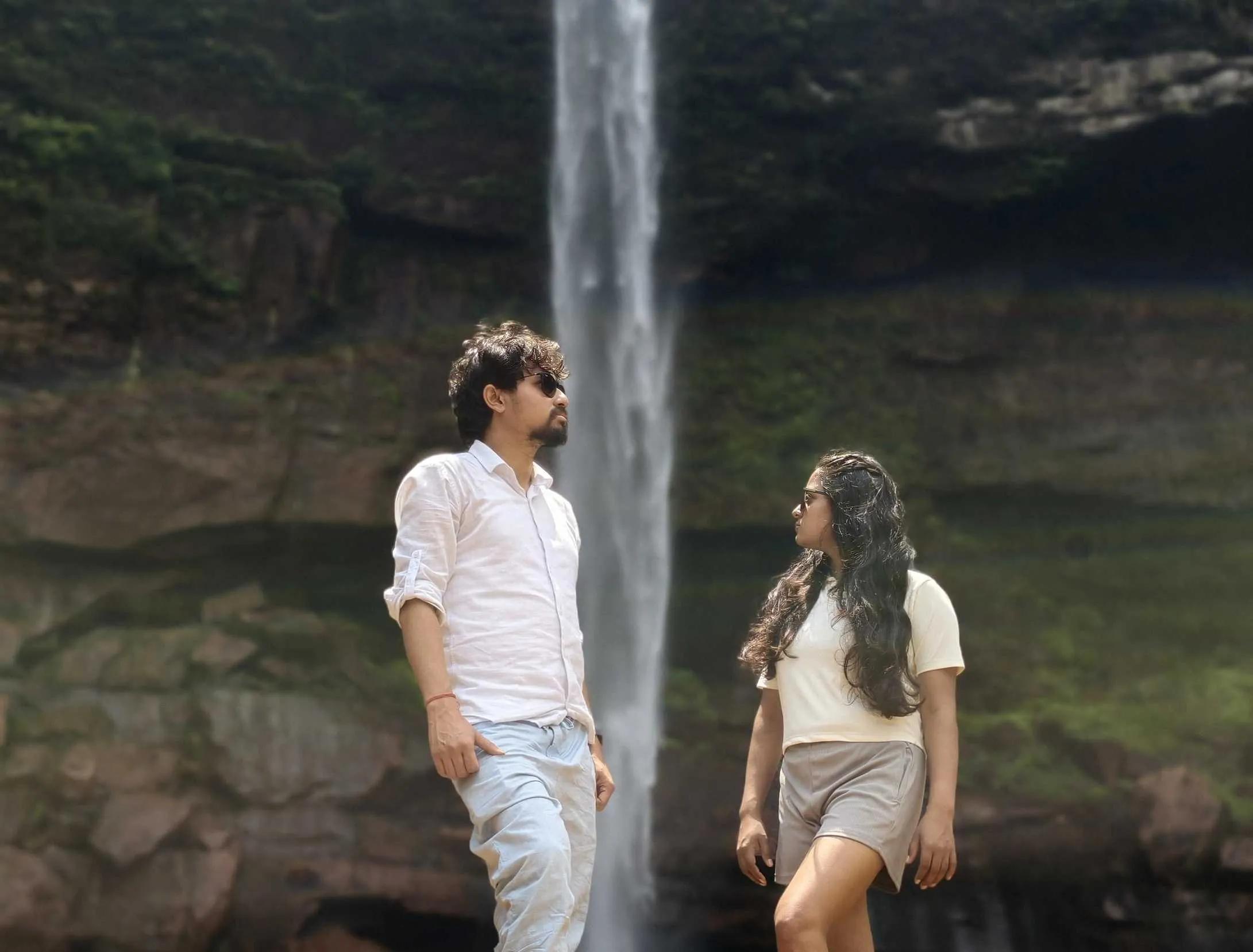
Offbeat Meghalaya Trail via Nongjrong Hills
1N Shillong · 1N Nongjrong · 1N Nongstoin · 1N Guwahati
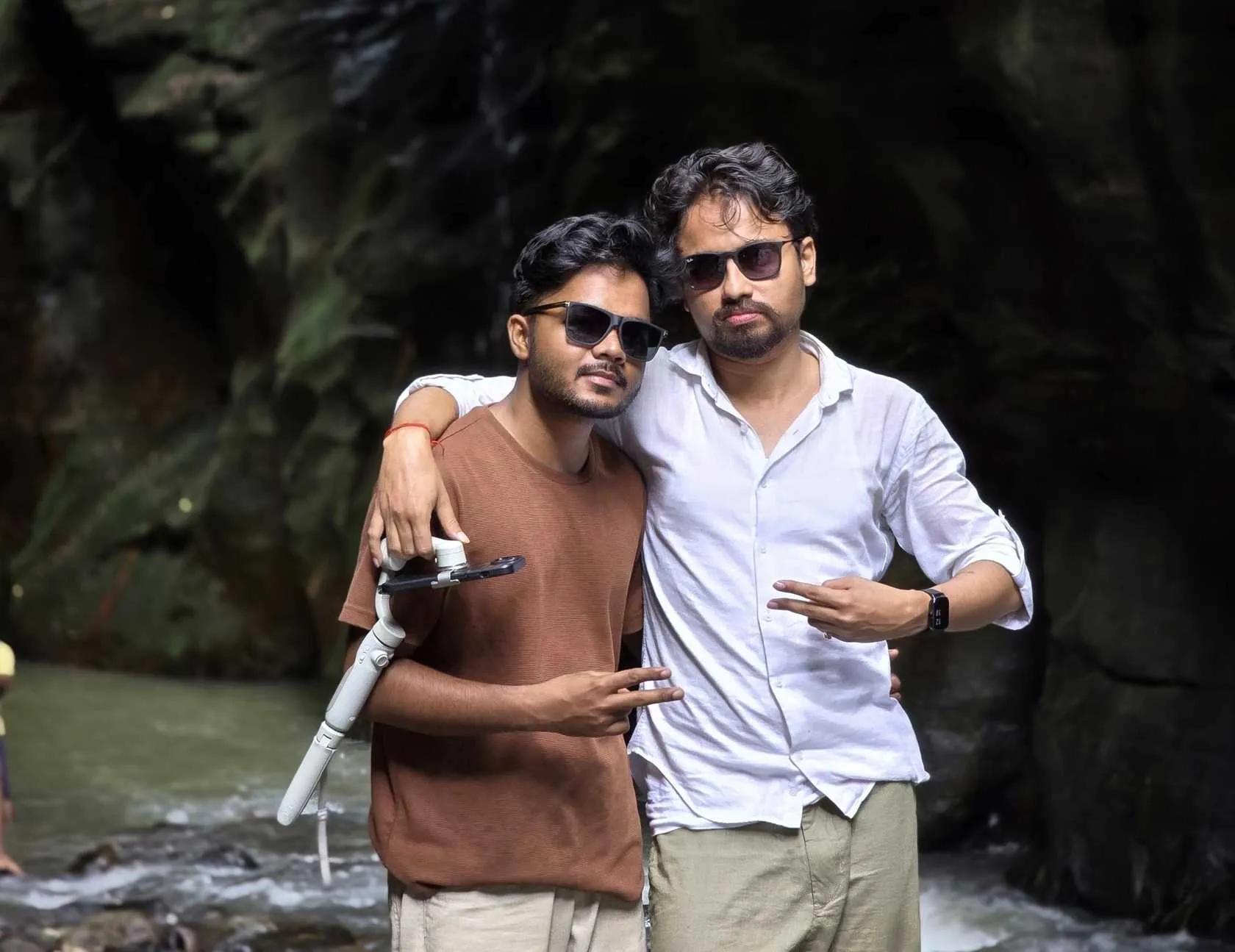
Unseen Meghalaya with Wari Chora
1N Guwahati · 2N Wari Chora · 1N Nongstoin · 1N Shillong
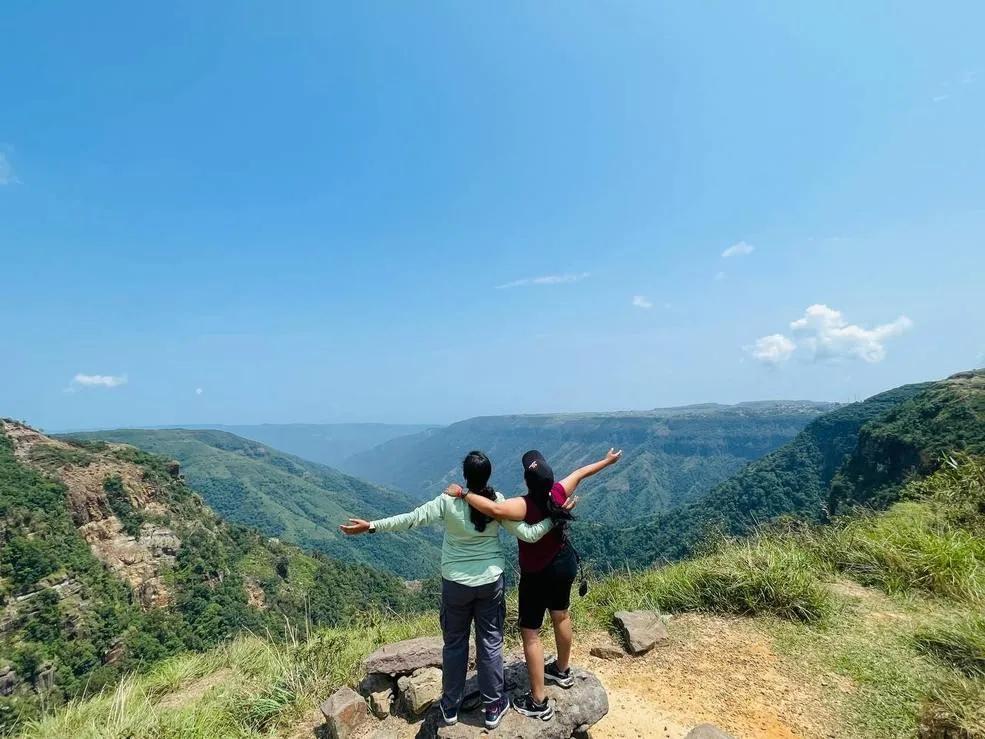
Nongjrong to Nongstoin Offbeat Meghalaya Trip
1N Shillong · 2N Cherapunjee · 1N Nongjrong · 1N Nongstoin · 1N Guwahati
Looking for a hassle free trip?
Connect with our experts! Get the best Itineraries and Offers!