Ziro doesn't hit you the way most hill stations do. There's no strip of hotels competing for your attention, no neon signage, no obvious "this is where tourists stay" cluster. What you'll find instead is a valley quietly split between two very different ways of experiencing it — a bamboo homestay with an Apatani family, or a resort room with hot water on tap and a bar downstairs. Neither is wrong. But picking the wrong one for your trip can genuinely change how you remember Ziro.
This guide breaks down exactly what separates the two, so you're not deciding blind.
Homestays vs Resorts: The Real Difference
At the surface level, this looks like a comfort-vs-authenticity trade-off. Dig one layer deeper and it's really about what kind of traveler you are on this particular trip.
A homestay puts you inside an Apatani household — shared meals, a host who tells you what a Myoko festival actually means instead of you reading it off a plaque, and a level of access to daily valley life that no resort can manufacture. A resort gives you predictability — attached bathrooms, reliable power backup, a restaurant menu, and staff trained to manage guests rather than host them.
Where to stay in Ziro really comes down to whether you're chasing connection or comfort on this trip. Most travelers, if they're honest with themselves, already know which one they are.
What a Homestay in Ziro Actually Feels Like
Homestays in Ziro are usually run out of traditional Apatani bamboo houses, often with the family still living on-site. Rooms are simple — a wooden bed, warm blankets, sometimes a shared bathroom down the hall. What you're paying for isn't the room. It's dinner by the fireplace, a host explaining why rice-fish farming works the way it does, and mornings that start with the sound of the village rather than an alarm.
This isn't a performance for tourists, either. The Apatani cultural landscape is currently on UNESCO's tentative World Heritage list, precisely because this way of life — communal farming, village councils, festivals like Myoko and Dree — is still lived, not staged.
Good for: first-time Northeast India travelers, cultural explorers, solo travelers who want conversation, festival-goers who want an authentic base for Ziro Music Festival.
Trade-off: fewer amenities, shared or basic bathrooms in some properties, and a level of intimacy that not every traveler wants on every trip.
What a Resort in Ziro Actually Offers
Ziro's resorts and hotel-style properties are a newer layer on top of the valley — think attached bathrooms, hot water, backup generators, restaurant and bar service, and rooms designed for guests who want the valley views without giving up creature comforts.
They tend to cluster around Hapoli and a few scenic points overlooking the rice fields, and they're the more practical choice for families with young kids, older travelers, or anyone who's spent a long journey getting to Ziro and just wants a proper hot shower waiting for them.
Good for: families, travelers prioritizing comfort over immersion, groups who want a common restaurant/bar space, anyone visiting outside peak festival season.
Trade-off: less cultural interaction, higher price point for comparable quality, and a stay that could honestly be swapped into any hill town in India without losing much character.
Where to Stay During Ziro Music Festival (Sept 24–27, 2026)
Festival dates change the calculation entirely. Both homestays and resorts within Ziro town fill up fast — often 2–3 months in advance — and prices climb the closer you get to September.
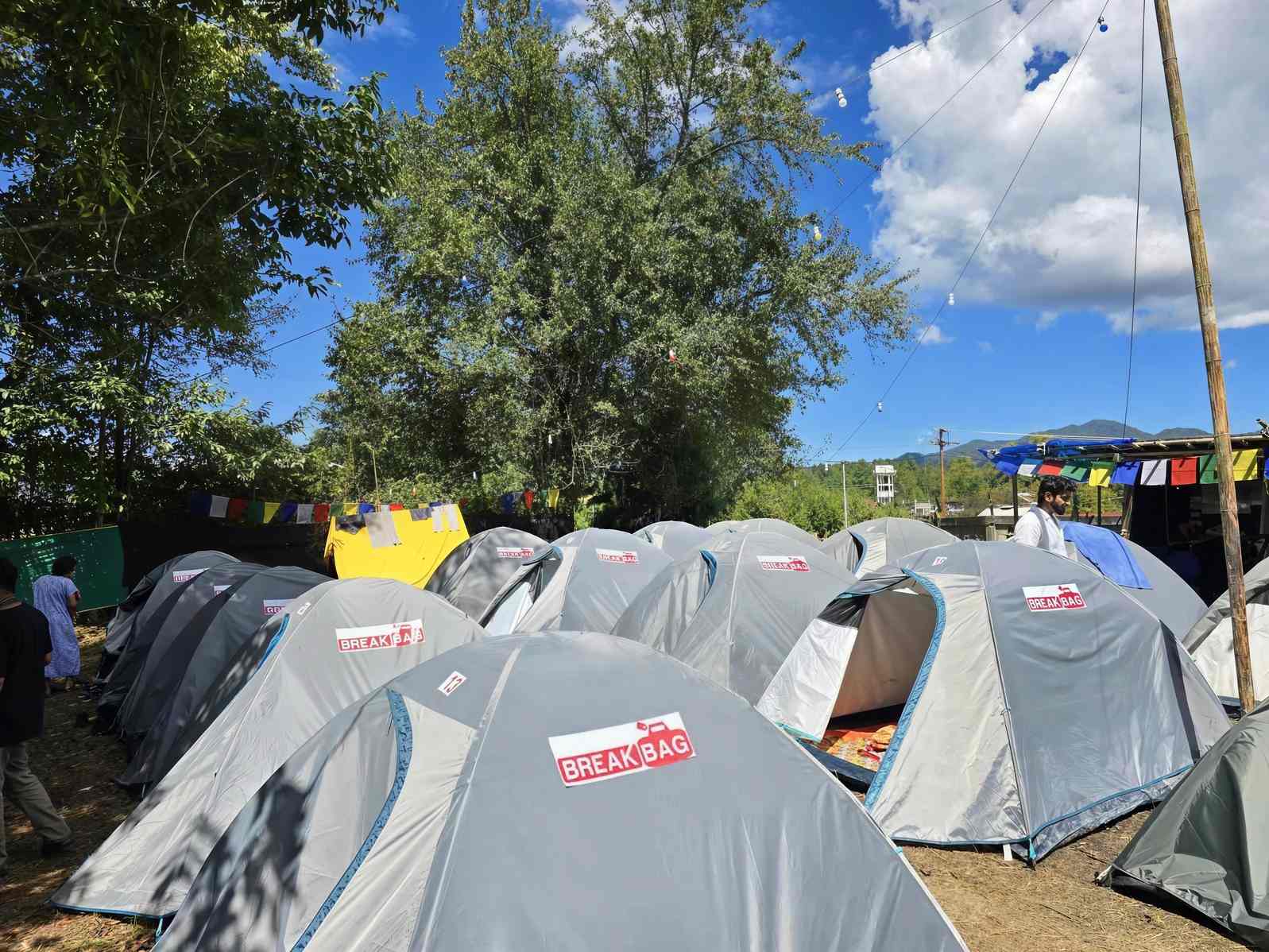
If proximity to the festival ground is your priority over either homestay or resort, it's worth knowing there's a third option most guides skip entirely: dedicated festival camping, positioned right at the venue itself. Ziro Camps, for instance, sits roughly 100 meters from the main festival gate — a genuinely different trade-off from either homestays or resorts, prioritizing walk-to-the-stage convenience over either cultural depth or hotel comfort.
So, Which Should You Actually Book?
If this is your first trip to Ziro and you're not attending the festival, a homestay will almost always give you the more memorable trip — this is a destination where the people are the main attraction, not the infrastructure.
If you're traveling with family, elderly parents, or simply want a stress-free base after a long journey from Guwahati or Itanagar, a resort removes the guesswork.
And if the festival is the whole reason you're going, proximity beats everything else — which is where a dedicated festival camp earns its place in this comparison, homestay charm and resort comfort aside.
Ziro Doesn't Change — But How You Experience It Does
You could stay in ten different places across Ziro Valley and come home with ten different trips. The rice fields don't move, the mist over the hills doesn't change, but the story you tell afterward depends almost entirely on whether you slept in an Apatani family's home, a resort room with a view, or a tent a hundred meters from the main stage.
Ready to Book Your Ziro Stay?
Whether you want the full Apatani homestay experience, resort comfort, or a tent right at the festival gate, BreakBag's Ziro packages are built to match the trip you actually want — not a one-size-fits-all itinerary.