If you've only heard Ziro Festival described in one sentence, it's probably something like "Coachella meets a tribal village in the Himalayas." That's not far off, but it also doesn't tell you much about what actually happens once you're standing in the valley with rice fields on one side and a bassline thumping on the other.
So here's the honest version — what the Ziro Festival experience is actually like, minus the Instagram filter.
What Is the Ziro Festival Experience Really Like?
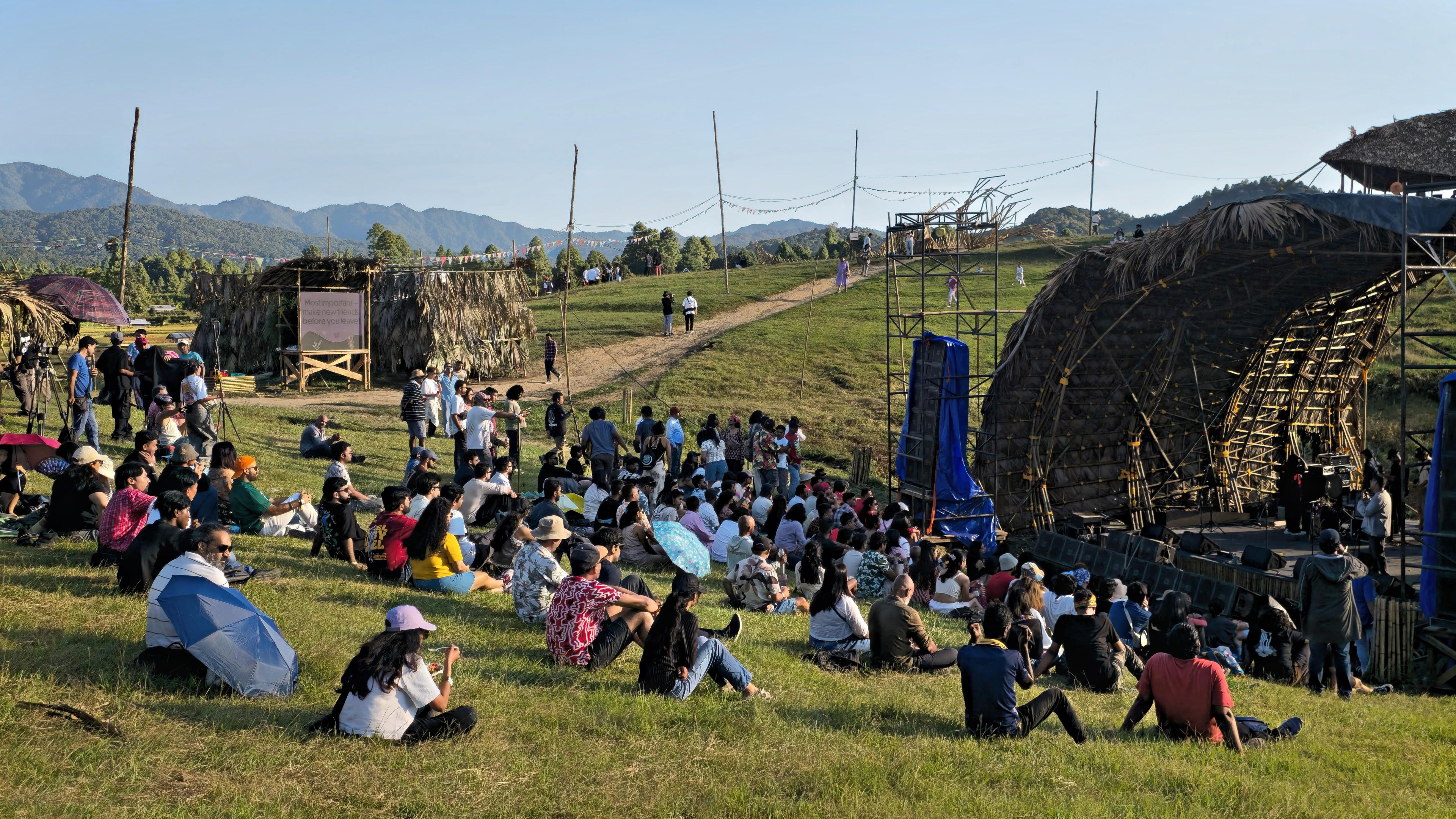
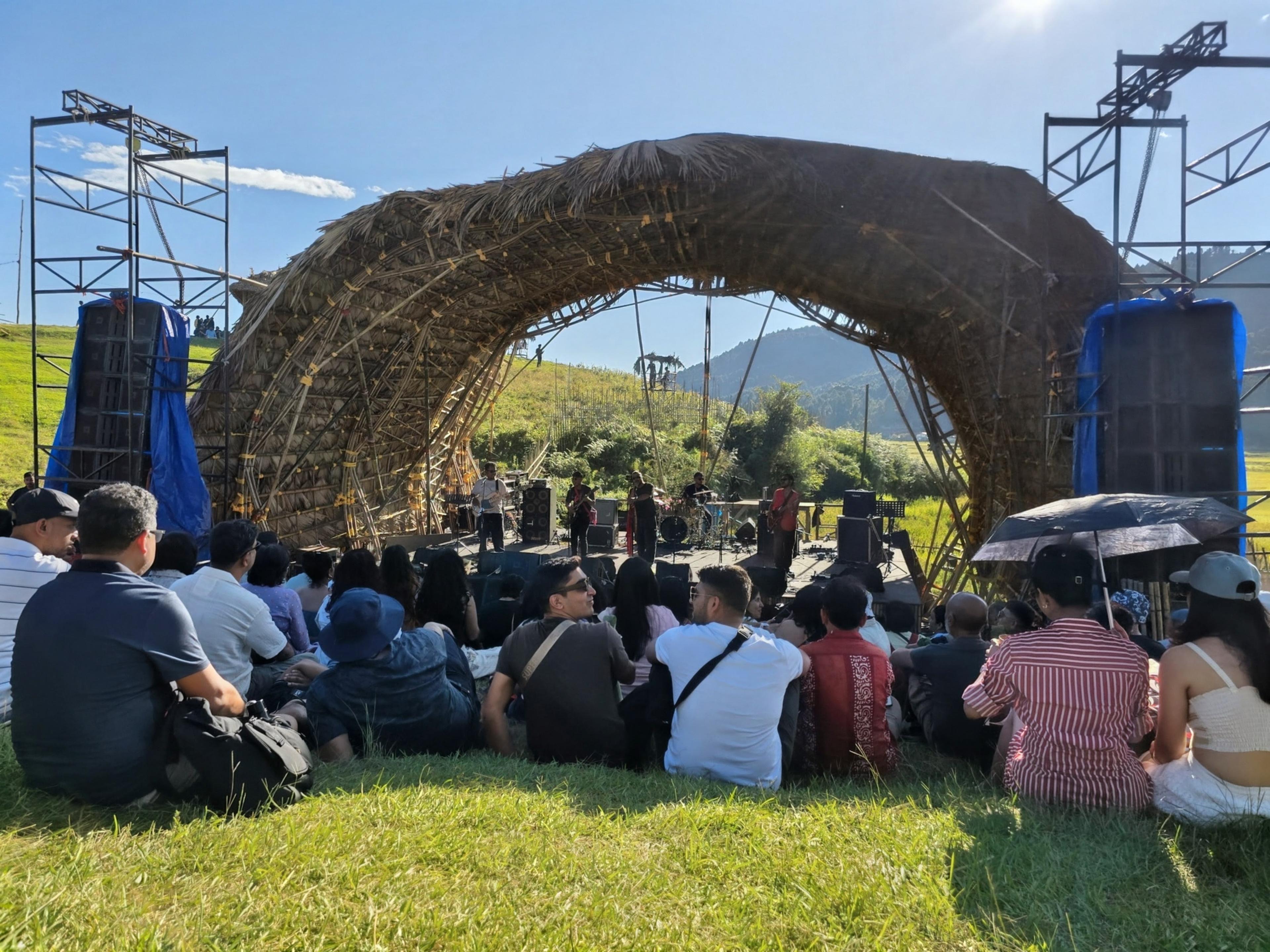
The first thing that surprises most first-time visitors is the setting. Ziro Festival of Music (ZFM) takes place in Ziro Valley, Arunachal Pradesh, on open paddy fields surrounded by pine-covered hills. There's no concrete, no permanent stage infrastructure, no city noise — just bamboo-and-wood stages built fresh every year, dissolving into the landscape rather than dominating it.
The Ziro Festival experience is less "festival with a scenic backdrop" and more "the landscape is part of the lineup." Mornings are misty and quiet, days are warm with music drifting across the valley from two or three stages at once, and nights get properly cold — down jacket cold, not just "bring a hoodie" cold.
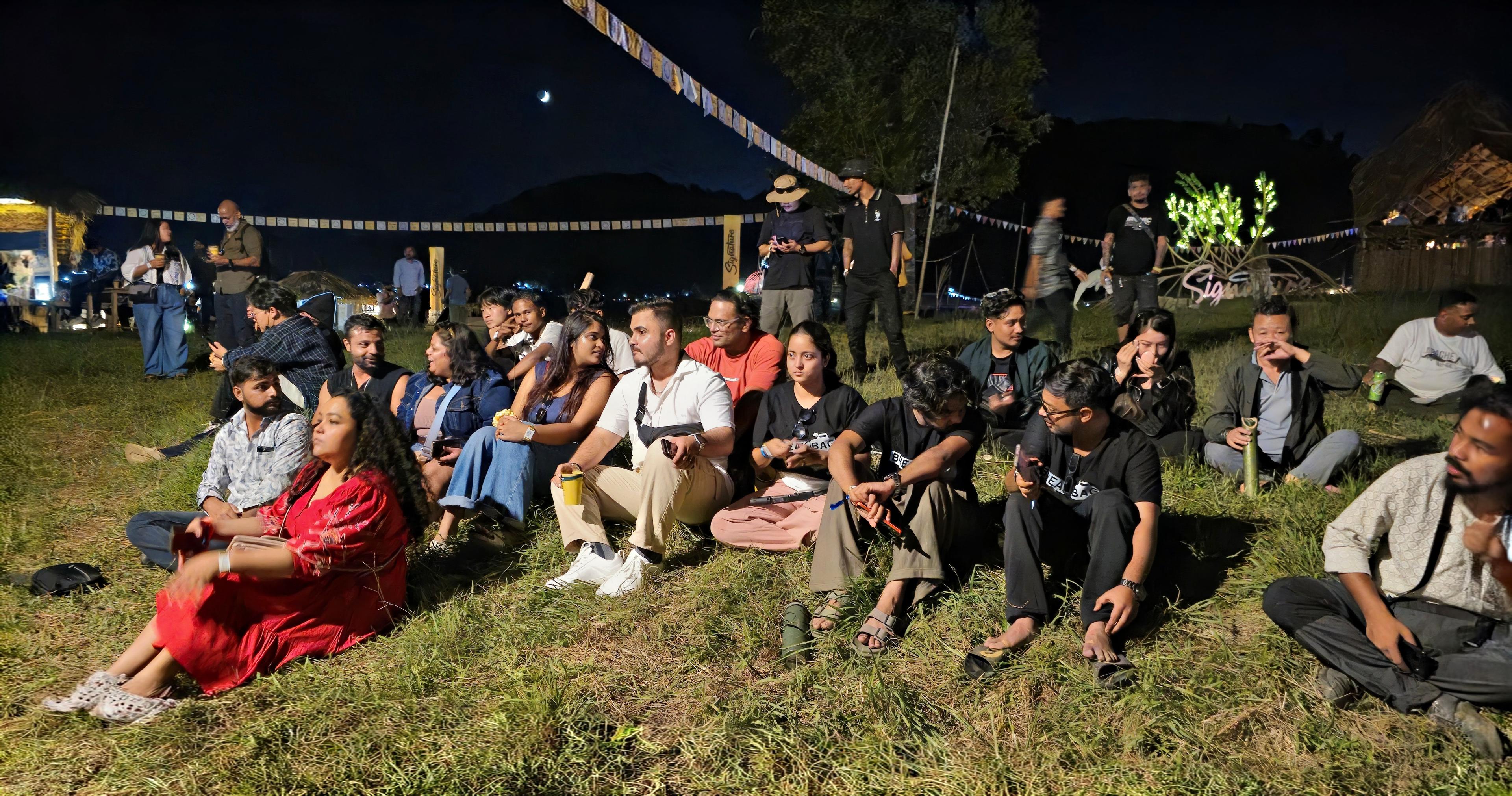
Crowd-wise, expect a genuine mix: Apatani locals who've grown up ten minutes from the festival ground, independent musicians and sound engineers who've been coming for a decade, and a steadily growing number of international travellers who heard about it through word of mouth rather than a marketing campaign. That mix is what gives Ziro its texture — it doesn't feel like a festival that was built for tourists and now has locals attending. It feels like the reverse.
Ziro Festival of Music: Line-Ups, Stages & Sound
Ziro Festival of Music has built its identity around independent and alternative artists — folk, rock, electronic, and genre-blending acts from across India and abroad — rather than mainstream festival headliners. Don't come expecting Bollywood playback singers or EDM superstar sets. Come expecting to discover three or four bands you'd never heard of before, and leave with all of them saved on your phone.
The festival typically runs two to three stages simultaneously, spread across the valley so that walking between them becomes part of the experience rather than a logistics problem. Sound quality is consistently well-regarded for an outdoor festival at this altitude and remoteness — a detail that surprises people who assume a festival this far off the beaten path might compromise on production.
Set times run from afternoon into late evening, with the biggest acts usually taking the main stage after dark, when the cold air and firelight give performances a very different energy than a daytime slot.
Apatani Culture: Tribal Traditions You'll Witness in the Valley
Ziro Valley is the traditional home of the Apatani tribe, and the festival exists inside their everyday world rather than a separate "cultural zone" built for visitors. This is arguably what separates the Ziro Festival experience from most music festivals globally — you're not watching a staged cultural performance, you're a guest inside a living one.
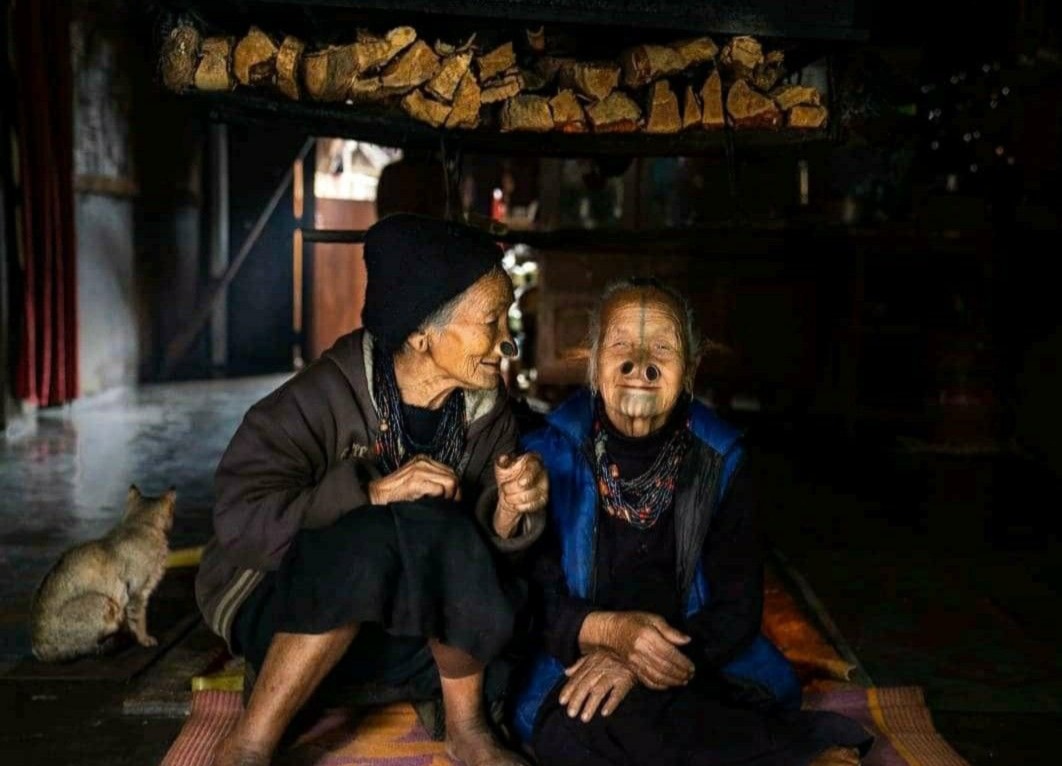
The Apatani are known for a few things visitors notice immediately: distinctive facial tattoos and nose plugs (yaping hullo) traditionally worn by older women, a sustainable wet-rice cultivation system that's been recognised for its ecological value, and a village layout of closely-built wooden houses that hasn't changed dramatically in generations. Older Apatani women with traditional tattoos and nose plugs are often visible around the valley and at the festival itself — not as a performance, but simply because this is their home during festival week too.
Walking through Hong, Hija, or Bulla village (some of the oldest Apatani settlements, a short distance from the festival ground) between sets is one of the more grounding things you can do at Ziro. Locals are generally welcoming to respectful visitors, and taking a break from the music to sit in on a village meal or watch daily life unfold tends to be the part people talk about most once they're back home.
A word on etiquette: always ask before photographing people, especially elders. It's a small courtesy that goes a long way in a place where tourism is still relatively new.
A Day in Ziro Valley: Vibe, Landscape & Local Life
Outside festival hours, Ziro Valley operates at its own pace, and that pace is part of the appeal. Mornings are for walking — through pine forest trails, along the edges of the wet-rice fields, or up to viewpoints overlooking the whole valley. Afternoons drift between music, food stalls serving local Apatani and pan-Northeast Indian dishes, and long conversations with strangers who'll probably become your festival friend group by day two.
The "Valley Vibe" that shows up in every description of Ziro isn't marketing language — it's the actual sensory experience of being somewhere this unhurried. Phone signal is patchy in places, which sounds inconvenient until you realise it's part of why people leave feeling like they actually switched off.
Accommodation ranges from on-site camping (the most immersive, closest-to-the-action option) to homestays in nearby villages, which offer a quieter base and a closer look at Apatani daily life. Evenings after the music winds down often continue informally — bonfires, jam sessions, and the kind of unplanned moments that don't make it into any festival schedule but end up being the highlight anyway.
How to Prepare for the Ziro Festival Experience: Tips for First-Timers
A few things that make a real difference if this is your first time:
- Pack for serious temperature swings. Warm days, cold nights — layers are non-negotiable, and a proper jacket matters more than festival outfits.
- Book accommodation early. Ziro Valley has limited capacity, and camping spots, homestays, and travel packages fill up well before the September dates.
- Plan your route in advance. Ziro is remote — most visitors travel via Guwahati or Naharlagun/Itanagar, and the journey itself (often including a scenic train or road transfer) is part of the experience, not just a means to an end.
- Carry cash. ATM access in the valley is limited, and many local vendors don't take cards.
- Build in a buffer day. Altitude, travel time, and the remoteness of the location mean a rigid two-day-only itinerary often leaves people wishing they'd stayed longer.
- Respect local customs. This isn't a festival built purely for outsiders — it's a community's home during festival week. Small courtesies go a long way.
First-timers who plan around these basics consistently report a smoother, less stressful experience — leaving more energy for the part that actually matters: the music, the valley, and the culture.