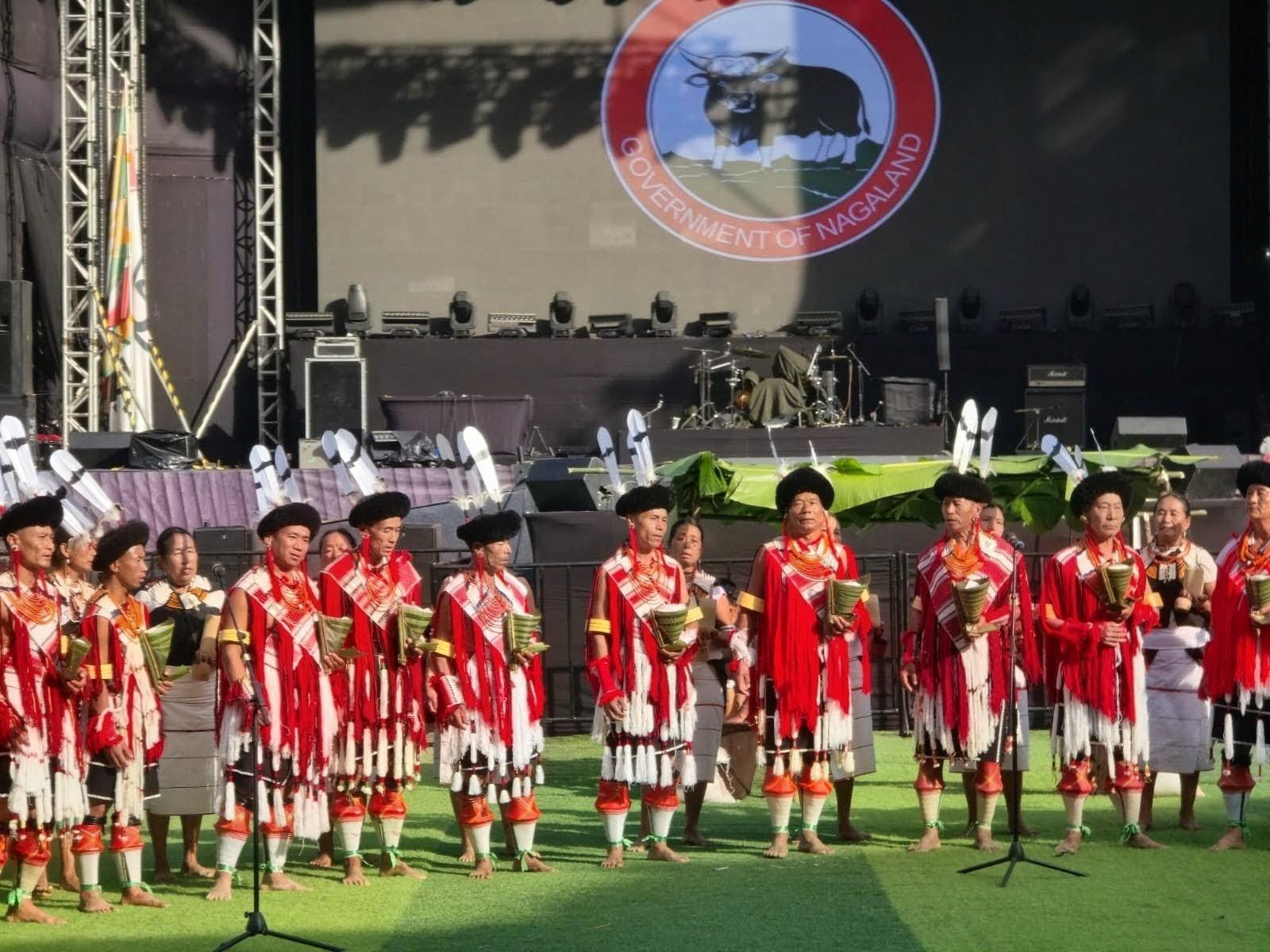
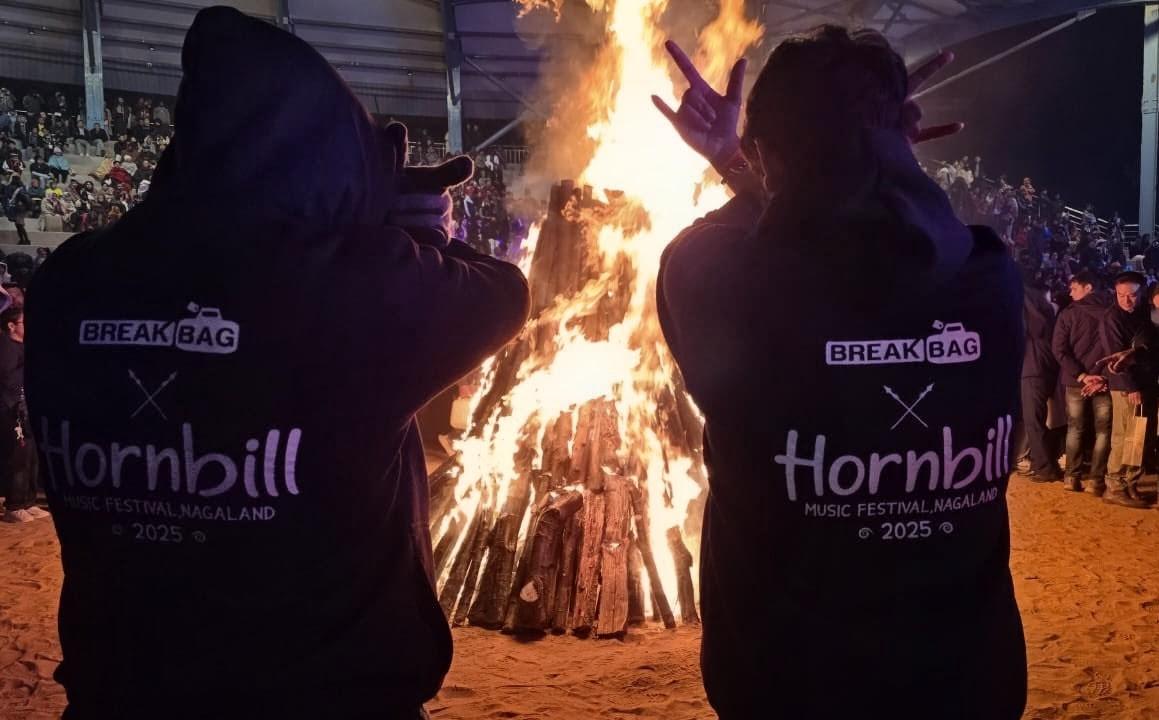
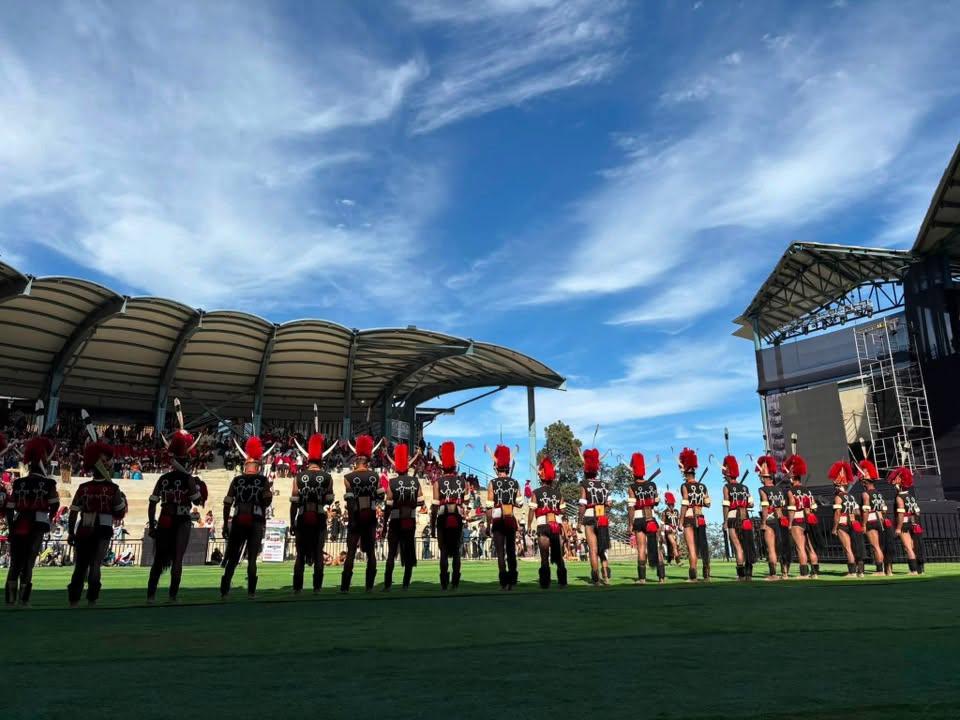
Most people come to the Hornbill Festival for the dances. Then they walk into the craft stalls at Kisama and lose an entire afternoon. One minute you're admiring a red-and-black shawl with tiny mithun woven into it, and the next you're talking to the woman who made it about how long the pattern took, what it means and which village she's from. It's one of the best parts of the festival, and it's easy to underestimate.
Naga crafts aren't mass-produced souvenirs. Shawls carry tribal identity and social status. Baskets are woven to the same designs that families have used for generations. Even a jar of pickle from a morung kitchen comes with a story. Knowing what to buy at Hornbill Festival, and how to tell good work from cheap imitations, turns shopping from a quick souvenir run into one of the most memorable parts of your trip.
This guide covers the best things to buy at the 27th Hornbill Festival (1–10 December 2026), what Naga shawls mean, where to shop, how to bargain and pay, and how to avoid fakes. If you're still planning the trip, our Hornbill Festival 2026 tour packages include festival days at Kisama, with plenty of time set aside for exploring the stalls.
What to Buy at Hornbill Festival: A First-Timer's Overview
Hornbill Festival shopping happens in three main places, and it helps to know the difference.
The first is the Bamboo Pavilion at Kisama, also used as the handloom pavilion during the festival. It's organised with the state's Directorate of Industries & Commerce and the Naga Handloom & Handicraft Development Corporation, and it works like a small, well-organised craft market. Here you'll find handwoven shawls, stoles, jewellery, bamboo and cane products, books by Naga writers, packaged foods and more, mostly sold by local entrepreneurs and artisan groups. If you have limited time, start here.
The second is the tribal morungs themselves. Many morungs have small stalls run by members of that tribe, selling textiles, ornaments, carvings and homemade food products. Prices are often fair, and buying here means your money goes straight to the community. It's also the best place to learn what you're buying, because the person selling it usually knows exactly where it came from.
The third is Kohima town, especially in the evenings during the festival, when night bazaars and pop-up stalls appear. This is good for smaller souvenirs, street food and a more relaxed browse after a long day at Kisama.
As for what's worth buying, the best items are handwoven Naga shawls and stoles, beaded and brass jewellery, bamboo and cane baskets, wood carvings, black pottery, and local food products such as Naga King Chilli pickle and bamboo shoot preserves. We cover each of these below, starting with the most important one.
Naga Shawls Explained: Tribe Patterns, Meaning & Prices
If you buy just one thing at Hornbill, make it a shawl. Naga shawls are among the most distinctive textiles in India. Traditionally, Naga societies had no written script, and textiles carried part of their history and identity. The pattern, colours and motifs on a shawl could tell you which tribe someone belonged to, and in the past, what they had achieved. Some shawls could only be worn by men who had proved themselves in battle or hosted a "feast of merit", a lavish community feast that raised a person's standing in the village.
Ao shawls. The best known is the Ao warrior shawl, the Tsüngkotepsü. Traditionally it was the highest-ranking shawl an Ao man could wear. It has a white central band painted with figures that each mean something: mithun for wealth, tigers and elephants for a warrior's strength, along with spears and the hornbill. The Ao also have Angtongsü, a popular shawl worn by women, and Metsü, a shawl associated with village elders. Explore the textiles of the Ao, Konyak and Phom tribes on the Government of India's Indian Culture portal to see more designs before you go.
Chakhesang shawls. These are the only Naga textiles with a Geographical Indication (GI) tag. The Chakhesang Shawls GI registration was granted in 2017 to the Chakhesang Women Welfare Society in Pfutsero, Phek district. It was the third GI tag for Nagaland, after the Naga King Chilli and the Naga Tree Tomato. The GI covers several distinct types of shawl woven by Chakhesang women, each with its own meaning and use. Scroll's in-depth feature on Chakhesang shawls is worth reading if you'd like to understand the symbolism.
Shawls from other tribes. Almost every tribe has its own patterns. Angami, Lotha, Sumi, Konyak, Khiamniungan and other shawls use their own colour combinations, stripe patterns and motifs, and some Khiamniungan designs use rows of cowrie shells. Each tribe's morung at Kisama is the best place to see their textiles together. Our guide to the tribes of Nagaland at Hornbill Festival will help you recognise them.
Most traditional Naga shawls are woven on a loin loom, a simple back-strap loom where the weaver sits with the warp tied around her waist and controls the tension with her body. Because a loin loom produces narrow strips of cloth, many shawls are made from two or three panels carefully stitched together. That's a sign of real handwork, not a flaw. The festival programme even includes an International Loin Loom event, according to Nagaland Tourism.
What do Naga shawls cost? Prices vary a lot depending on the size, the weave, the complexity of the pattern and whether it's handwoven or machine-made. As a rough guide, simple stoles and machine-made pieces start in the low hundreds of rupees, while good handwoven loin loom shawls usually cost a few thousand rupees. Large, intricate ceremonial pieces can cost considerably more. These figures are approximate, so ask the seller and compare a few stalls before you buy.
One more thing: some warrior and ceremonial shawls traditionally had to be earned. Buying one as a collector's piece or for display is generally fine, but it's polite to ask the seller about the shawl's meaning, and whether it's appropriate for an outsider to wear it casually.
Best Naga Crafts and Souvenirs to Bring Home from Kisama
Shawls get most of the attention, but Hornbill Festival shopping goes much further. These are the best things to look for.
Beaded and brass jewellery. Naga jewellery is bold and colourful, with multi-strand bead necklaces, brass pendants, earrings and cuffs. Traditional pieces used beads, shells, boar tusks and brass, and today's artisans mix those designs with modern styles. These make light, easy-to-pack gifts.
Bamboo and cane products. Nagaland's forests are full of bamboo, and its people are skilled at working with it. Look for woven baskets, trays, mugs, lampshades, mats and decorative pieces. The traditional back-carrying basket is a striking piece to bring home if you have space. Smaller bamboo cups and coasters are easier for travellers.
Wood carvings. Carved panels, masks, figurines and small sculptures echo the motifs you'll see on the morung posts, like hornbills, mithun heads, warriors and tigers. Good carvings are heavy, so check your baggage allowance first.
Black pottery. You'll often find black pottery at the craft bazaar. These smooth, dark vessels are made by communities across the region. They're beautiful but fragile, so ask the seller to pack them well.
Food products. Food makes some of the best souvenirs. Naga King Chilli, one of the world's hottest chillies and a GI-tagged product of Nagaland, is sold dried and as fiery pickles. You'll also find bamboo shoot pickles, smoked meat preserves, local teas, honey and spice mixes. For more on Naga food at the festival, see our Hornbill Festival food guide. Check airline rules before packing liquids or strong-smelling items.
Books, art and modern design. The Bamboo Pavilion often has books by Naga writers, prints, paintings and contemporary fashion and accessories inspired by traditional textiles. These are good if you want something modern that's still clearly Naga.
Pro tip: When you're running between the arena, the morungs and the pavilion, it's easy to run out of time for proper shopping. On BreakBag's Hornbill Festival 2026 packages, our local guides can take you to trusted stalls and help you understand what you're buying, so you don't have to rush.
Hornbill Festival Shopping Tips: Bargaining, Payments & Shipping
A few practical tips will make shopping at Kisama easier and more enjoyable.
Bargain gently, or not at all. Many prices at the Bamboo Pavilion and morung stalls are already fair, especially for handwoven work that takes days or weeks to make. A polite question about the best price is fine at some stalls, but hard bargaining over a handmade shawl isn't appreciated. If the price seems high, ask how long it took to weave. The answer usually explains it.
Carry cash as well as UPI. UPI is widely accepted, but mobile networks at Kisama can get patchy when crowds peak. Keep some cash with you, especially for smaller stalls and food vendors.
Shop early in the festival. The best pieces, especially unique handwoven shawls, often sell out in the first few days. If you see something you love on day two, don't assume it'll still be there on day eight.
Ask about shipping for big items. Large carvings, baskets and pottery aren't easy to carry. Some sellers can arrange courier delivery, but not all, so ask before you buy. If they can't, pack fragile items in your check-in bag wrapped in clothes.
Plan your luggage. Bring a foldable bag or leave space in your suitcase. Shawls are light but bulky, and many travellers end up buying more than they planned.
Shop at the morungs as well as the pavilion. The pavilion has the most variety, but buying at the morungs supports village communities directly and gives you the best conversations.
Also, remember that you'll need an Inner Line Permit to enter Nagaland, even just to shop. Our step-by-step guide to the Nagaland ILP for Hornbill Festival shows you how to apply online.
Genuine vs Fake Naga Handicrafts: Mistakes to Avoid
As Hornbill has become more popular, cheaper imitations have appeared alongside genuine work. Here's how to avoid the most common mistakes.
Mistaking machine-made for handwoven. Powerloom and printed imitations of Naga shawls are cheaper and easier to find. Handwoven shawls usually have small irregularities in the weave, a slightly uneven edge, and patterns woven into the fabric rather than printed on top. Turn the shawl over: on genuine work, the pattern is visible on both sides.
Not asking where it came from. A genuine seller will happily tell you which tribe or village made a piece, who wove it and what the pattern means. If the answers are vague, that's a warning sign.
Ignoring the GI tag. For Chakhesang shawls, look for sellers linked to authorised producers, such as the women's societies in Phek district. The GI tag exists to protect these weavers' designs from imitation.
Buying only from roadside stalls outside the festival. Kisama's official pavilion and morung stalls are your safest bet. Many vendors there are selected and registered through state departments.
Paying "festival prices" for factory goods. Price isn't always a sign of authenticity. An expensive shawl can still be machine-made. Check the weave, ask questions and compare stalls before spending a lot.
Treating sacred items as decor. Some ornaments and ceremonial items carry deep meaning. Ask before you buy, and avoid anything sold as an "antique" ritual object, which may have been taken from a village or may not be allowed to leave the state.
Want to go further than the festival stalls? Our Hornbill Festival craft & culture tour is designed for travellers who want a deeper look at Naga weaving and crafts. WhatsApp our team to ask what can be added to your trip.
"A Naga shawl isn't just something you wear. It's a story someone wove one thread at a time, and now you get to carry it home."
Team BreakBag
Shop, see and experience Nagaland the right way. BreakBag's Hornbill Festival 2026 tour packages include festival days at Kisama, comfortable stays, Dimapur transfers and local guides who can help you find authentic crafts and the stories behind them. December departures are filling fast, so book now or WhatsApp our team to plan your trip.
You May Also Connect With Us On →
Website: BreakBag Holidays |
Email: support@breakbag.com |
Facebook: BreakBag Holidays |
Instagram: @breakbagholidays |
YouTube: BreakBag Holidays |
Threads: @breakbagholidays |
LinkedIn: BreakBag Holidays |