


The Tribes of Nagaland at Hornbill Festival: Morungs, Dances & What Makes Each Tribe Unique
By the BreakBag Travel Team
Who Are the Tribes of Nagaland at Hornbill Festival?
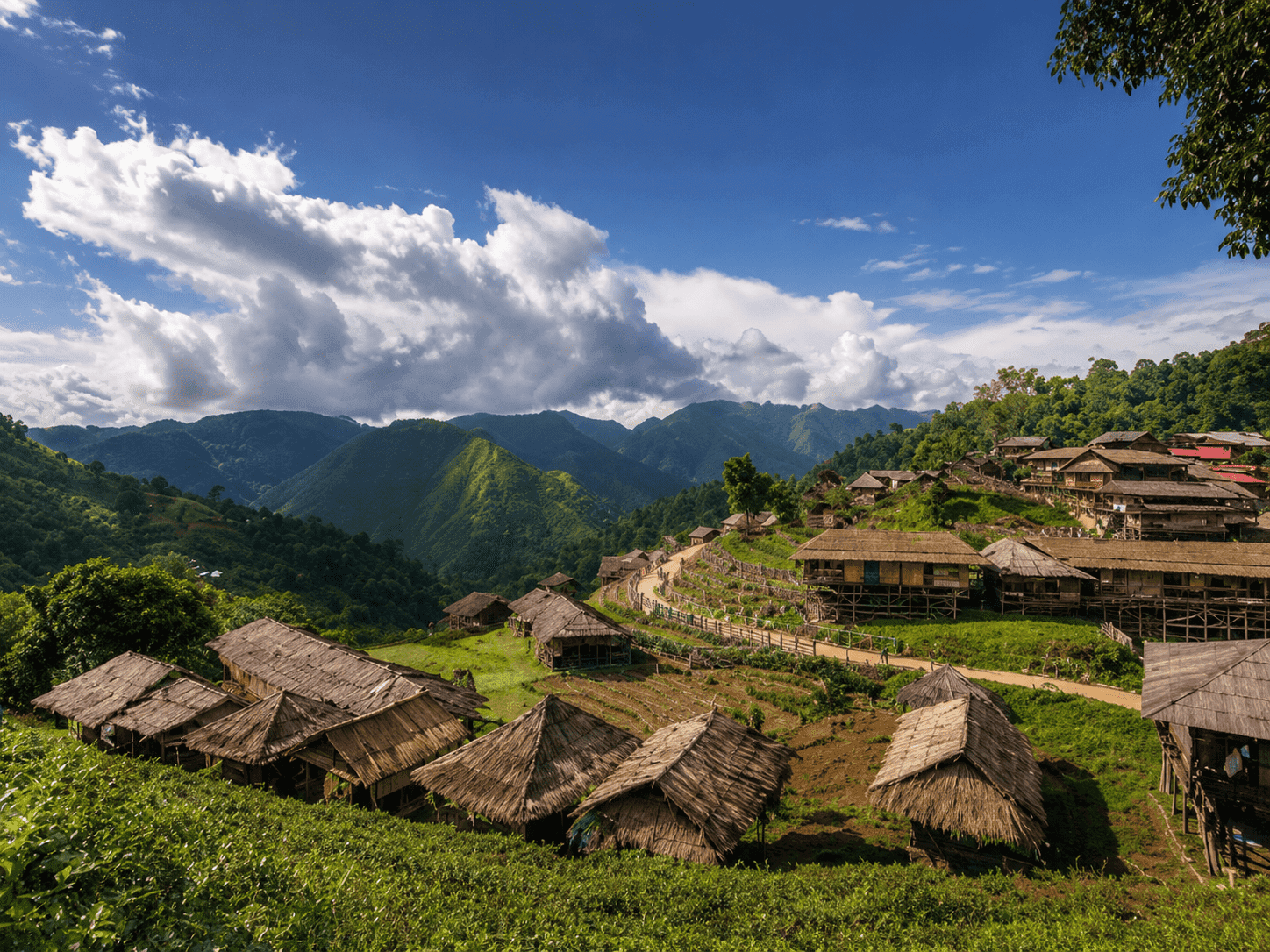
"Naga" isn't one tribe. It's an umbrella name for a family of communities that share some cultural roots but have developed separately over centuries in Nagaland's steep, forested hills. Villages a valley apart can speak languages that are mutually unintelligible, which is why Nagamese and English are the common languages across the state.
Each tribe has its own customary laws, its own way of running a village, its own textiles and its own festival calendar. That's why Nagaland is called the "land of festivals": almost every month, some tribe is celebrating a harvest, a sowing season or a purification ritual.
The Hornbill Festival was started by the Government of Nagaland in 2000 to bring these communities together on one platform, both to encourage inter-tribal unity and to show Naga heritage to the world. It opens every year on 1 December, Nagaland's Statehood Day. For dates, events and planning basics, see our complete Hornbill Festival guide.
You'll see different tribe counts in different guides. For years, Nagaland officially recognised 16 major tribes. In January 2022 the state government recognised the Tikhir as a separate tribe, and they made their Hornbill debut in 2023. Newer sources therefore say 17, and recent editions have featured troupes from 18 indigenous communities in the main arena.
A Quick Guide to the Major Tribes of Nagaland
You don't need to memorise every tribe, but a few markers help you recognise them when you're standing in front of a morung. Here are the tribes of Nagaland you'll meet at Kisama.
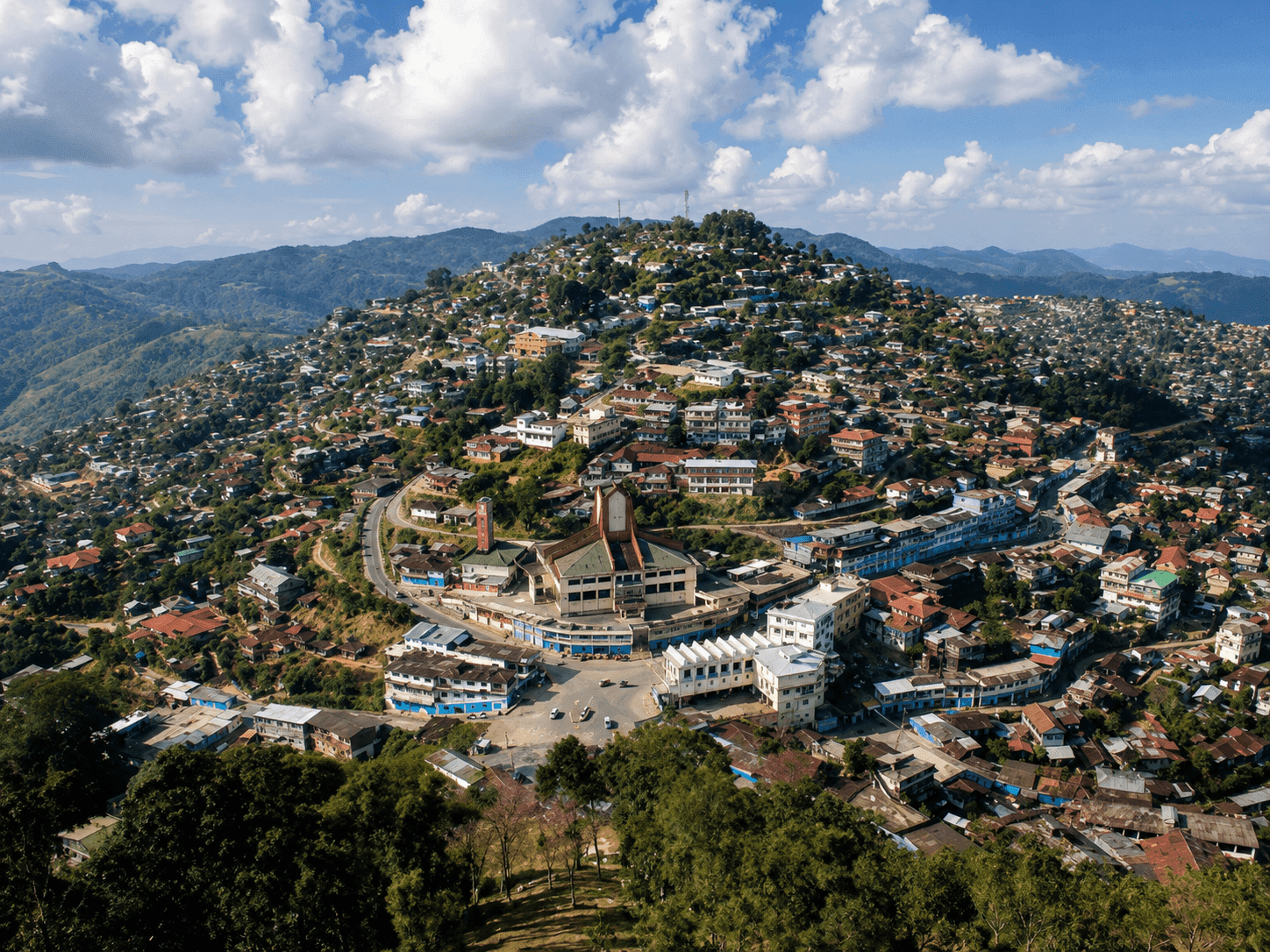
Angami. The Angami are the hosts in a sense, because Kisama sits in their home district of Kohima. They're known for terraced rice farming on steep slopes, stone-paved villages and Khonoma, often called India's first green village. Their festival, Sekrenyi, is a purification celebration held each February. Read our full guide to the Angami tribe to go deeper.
Ao. From the Mokokchung hills, the Ao were among the first Naga communities to take up Christianity and Western schooling in the late 1800s, and education still runs deep in Ao identity. Their spring festival, Moatsu, marks the end of the sowing season. At Kisama, the Ao morung is one of the liveliest places for traditional games.
Konyak. The Konyak of Mon are the tribe most visitors have read about before they arrive. They are known as the last headhunters, with elders who still carry facial tattoos, and as a community led by hereditary chiefs called Anghs. Their homeland includes Longwa, the village split by the India–Myanmar border. Aoling, their spring festival, falls in April. Watch for their brass ornaments and powerful group chants.
Sumi. The Sumi of Zunheboto have a strong warrior reputation, and their war dance is one of the most energetic performances in the arena. They celebrate Tuluni in July and Ahuna, a post-harvest thanksgiving, in November.
Lotha. From Wokha, the Lotha celebrate Tokhu Emong after the harvest each November. Their district is now known internationally for the Amur falcons that gather around the Doyang reservoir, which local villages have chosen to protect.
Chakhesang. The name blends three groups (Chokri, Khezha and Sangtam), which says a lot about this tribe's layered identity. The Chakhesang of Phek are skilled farmers and weavers, and their textiles are among the finest at the festival stalls. Sükrünye is their main festival.
Chang. The Chang come from Tuensang in eastern Nagaland. Their headgear and shawls are easy to spot in the arena, and Naknyulüm is their most important celebration.
Khiamniungan. Living in Noklak along the Myanmar border, the Khiamniungan are one of the less-visited tribes, which makes their morung worth seeking out. They celebrate Tsokum after the harvest.
Phom. The Phom of Longleng welcome spring with Monyü, a festival of feasting and renewed ties between families. Their morung is a good place to look at traditional bamboo craft.
Pochury. From the Meluri area of Phek district, the Pochury are one of the smaller tribes. Their festival, Yemshe, celebrates the new harvest.
Rengma. The Rengma of Tseminyu mark the end of the farming year with Ngada, a thanksgiving festival full of songs and feasting.
Sangtam. From Kiphire, home to Saramati, Nagaland's highest peak, the Sangtam celebrate Mongmong. It's a festival for blessings and abundance.
Yimkhiung. The Yimkhiung of Shamator and Kiphire are known for their striking red headgear and cowrie-decorated dancewear. Their key festival is Metümnyo.
Zeliang. The Zeliang of Peren district bring together the Zeme and Liangmai peoples. Their festival, Hega, is one of the most colourful in western Nagaland.
Tikhir. The newest recognised tribe, the Tikhir live in Shamator, Kiphire and Noklak. Their arrival at Hornbill was a proud moment for the community, so stop by their morung. It's still unfamiliar to most visitors.
Kuki, Dimasa Kachari and Garo. These communities also live within Nagaland and take part in the festival. The Kuki celebrate Mimkut. The Dimasa Kachari have deep roots in Dimapur, once the seat of the Kachari kingdom, and celebrate Bushu. The Garo bring their drum-heavy Wangala harvest celebration to the mix.
Hornbill Festival Morungs: Inside Each Tribe's Traditional Home
If the arena is the festival's stage, the morungs are its heart. Many travellers spend the whole morning watching dances and never get to them, and that's a mistake.
In a traditional Naga village, the morung was a dormitory for young unmarried men, though calling it a dormitory undersells it. It was where boys learned everything a village needed them to know: hunting, defence, woodwork, songs, stories and customary law. Elders taught there and warriors kept watch from there. The Angami call it kichuki and the Ao call it ariju.
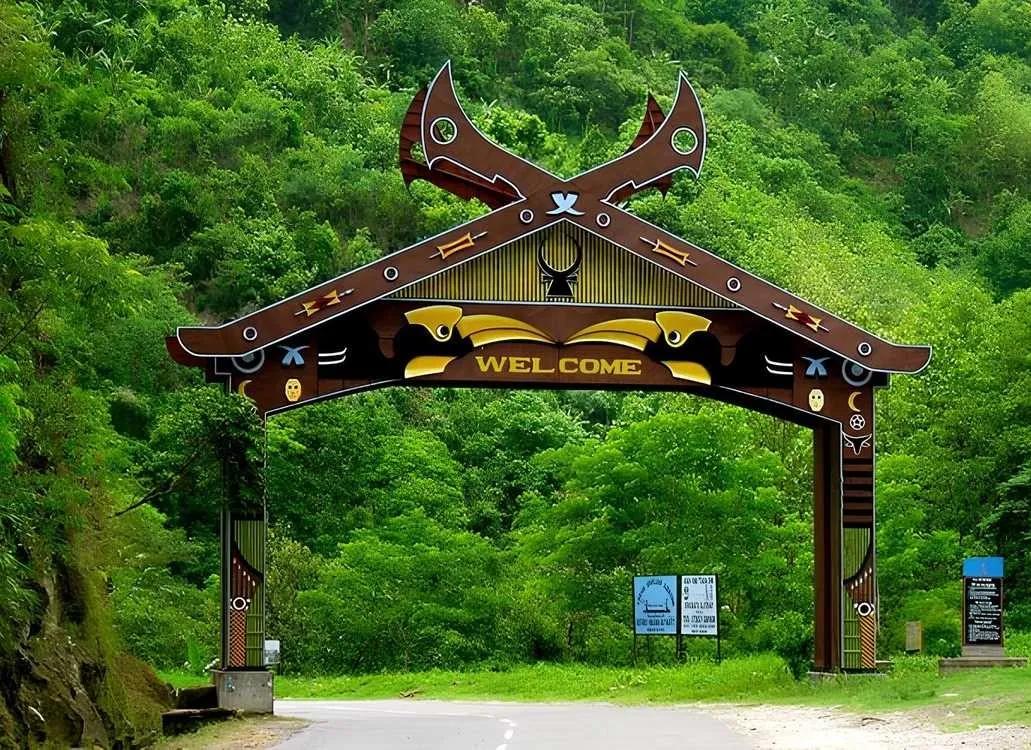
At Kisama, every tribe has built its own morung in its own architectural style, so walking the heritage village feels like walking across Nagaland. Look for carved front posts showing hornbills, tigers and mithun, mithun skulls mounted as marks of status, log drums hollowed from a single tree trunk, and roofs of thatch, bamboo or wooden shingles shaped differently by each tribe. Spears, daos, shields and baskets hang inside, each with designs specific to that tribe.
The Hornbill Festival morungs are also where you eat. Most have a small kitchen serving that tribe's own food: smoked pork with bamboo shoot, dishes made with axone (fermented soybean), anishi at the Ao morung, sticky rice and rice beer in bamboo mugs. Sitting on a wooden bench, eating pork and chatting with the family running the stall, is often what visitors remember most. You'll also find indigenous games around the morungs, such as stilt walking and top spinning, and visitors are sometimes invited to join in.
Naga Tribal Dances at Hornbill Festival and What They Mean
The main arena at Kisama runs tribal performances every day, usually from late morning into the early afternoon, with each tribe taking its turn. The dances can look similar at first. Watch a few and the differences become clear.
Warrior dances are the most dramatic. Men in full regalia move in tight formation, brandishing spears and daos, leaping and crying out in unison. These dances recall the time when village defence shaped Naga life. The Sumi, Konyak and Angami performances are among the most energetic.
Harvest and sowing dances are slower and more rhythmic, often performed by men and women together. They're dances of thanks, tied to the farming cycle that every tribe's festival calendar follows.
Folk songs and chants run through almost every performance. Many Naga songs work as oral history, recording migrations, battles and love stories. Even without understanding the words, you'll feel how call-and-response chanting holds a group together.
The costumes carry meaning too. Hornbill feathers in a headgear traditionally marked bravery or social standing, and cowrie shells, boar tusks and brass ornaments signal status. The patterns on a shawl can tell a Naga which tribe the wearer belongs to. This is why the hornbill gives the festival its name: the bird appears in almost every tribe's folklore as a symbol of courage, beauty and loyalty.
In the evenings, the Hornbill International Music Festival brings local and international bands to Kisama, and Kohima's night bazaar and carnival keep the town busy well past dark.
Tips for Visiting Hornbill Festival Morungs (Mistakes to Avoid)
Most visitors are welcomed warmly at Kisama. A little awareness goes a long way.
Taking photos without asking. The performers and morung families are people, not props. A smile and a gesture asking "may I?" is all it takes. Be especially careful with elders.
Touching sacred objects. Log drums, skulls, carved posts and weapons in the morungs aren't decorations. Look closely and ask questions, but don't handle anything unless you're invited.
Spending the whole day at the arena. The dances are spectacular, but the morungs are where you actually meet people. Split your day between the two.
Going only on Day 1. The opening day is crowded and heavy on ceremony. Days 2 to 9 are calmer and better for conversations and photos. Plan two or three days at the festival. Our Hornbill Festival budget guide shows how to fit that into your costs.
Arriving without your permit. Indian citizens need an Inner Line Permit, which you can apply for on the official Nagaland ILP portal. Foreign nationals currently need a Protected Area Permit. Sort this out before you travel.
Carrying only cards. Many morung stalls prefer cash or UPI, and mobile networks get patchy when the crowds peak.
Underdressing for the cold. Kohima gets properly cold after sunset in December. Bring layers and comfortable shoes for Kisama's slopes.
Treating headhunting as a joke. It's a real and complex part of Naga history. Ask about it with genuine curiosity, never as a punchline or a photo pose.
"A morung was where a Naga village kept its memory. At Kisama, for ten days every December, it keeps that memory open for everyone."
Team BreakBag
Ready to meet the tribes of Nagaland in person? BreakBag's Hornbill Festival 2026 tour packages include festival days at Kisama, local guides who can take you inside the morungs,
Similar Destination
Looking for a hassle free trip?
Connect with our experts! Get the best Itineraries and Offers!