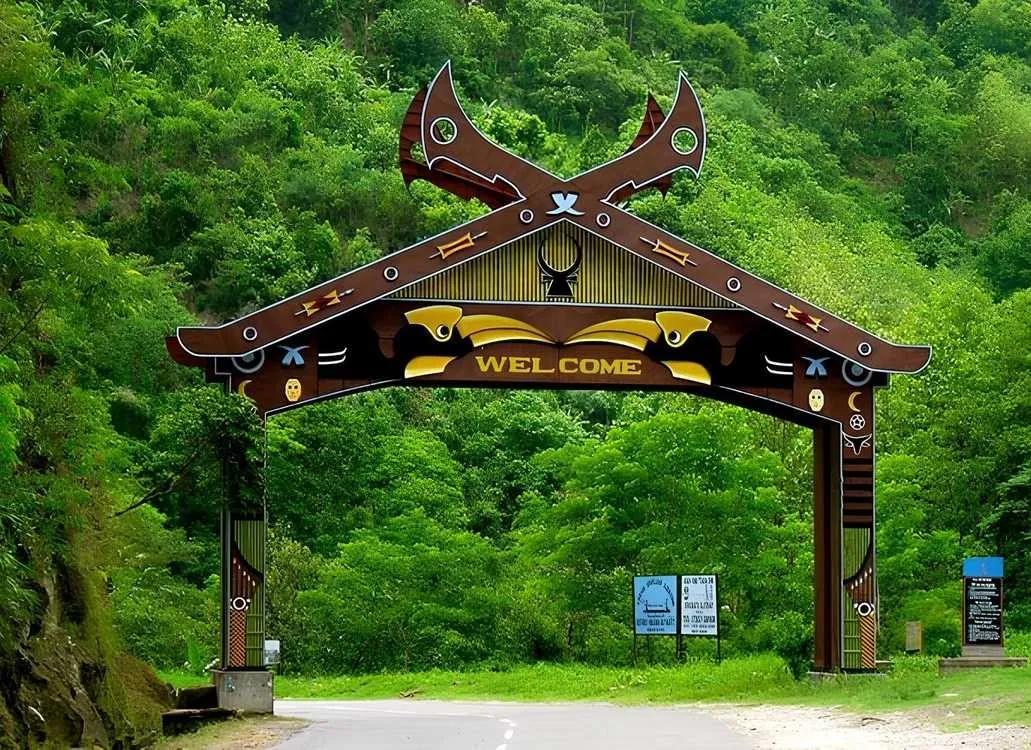
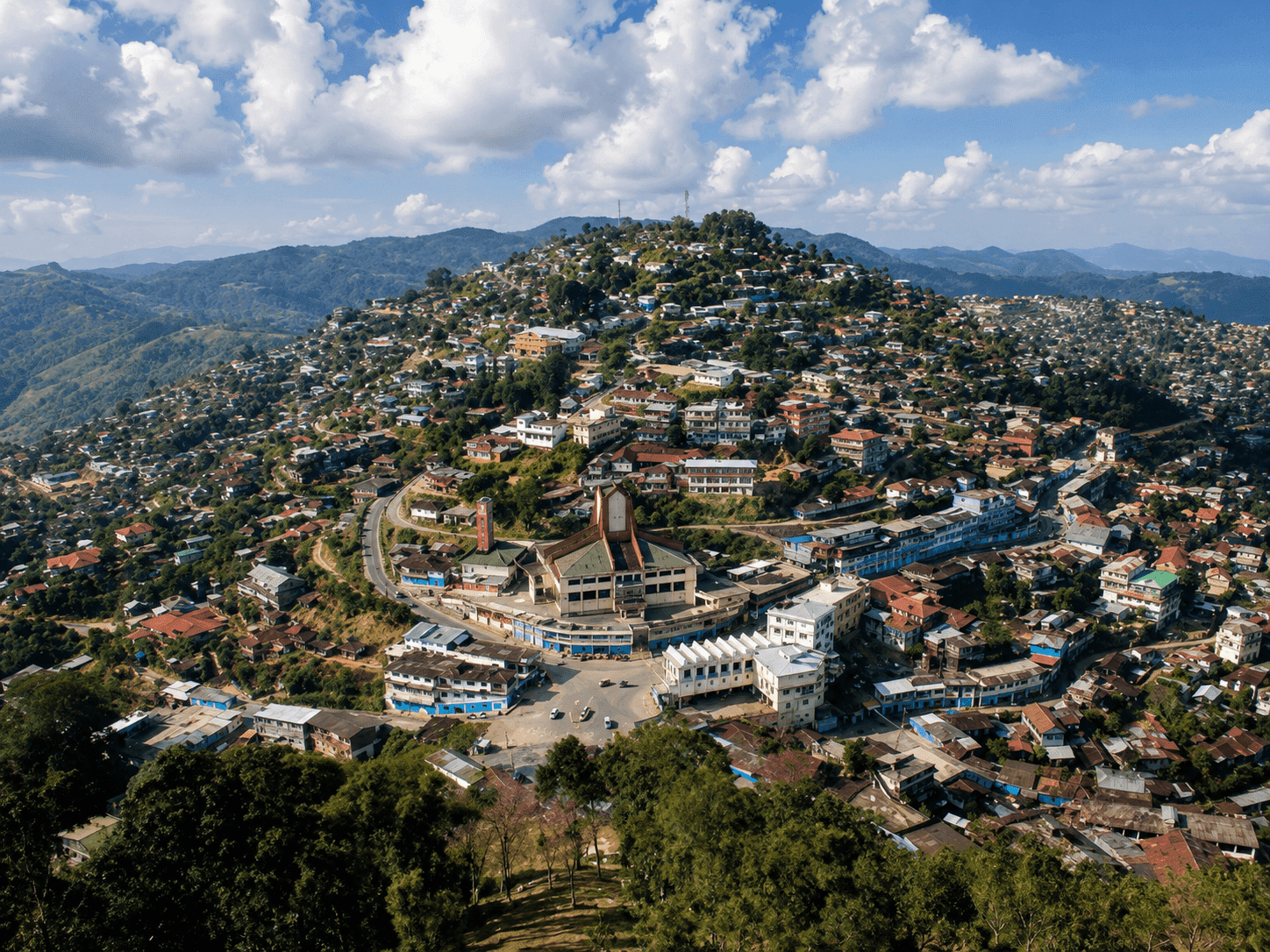
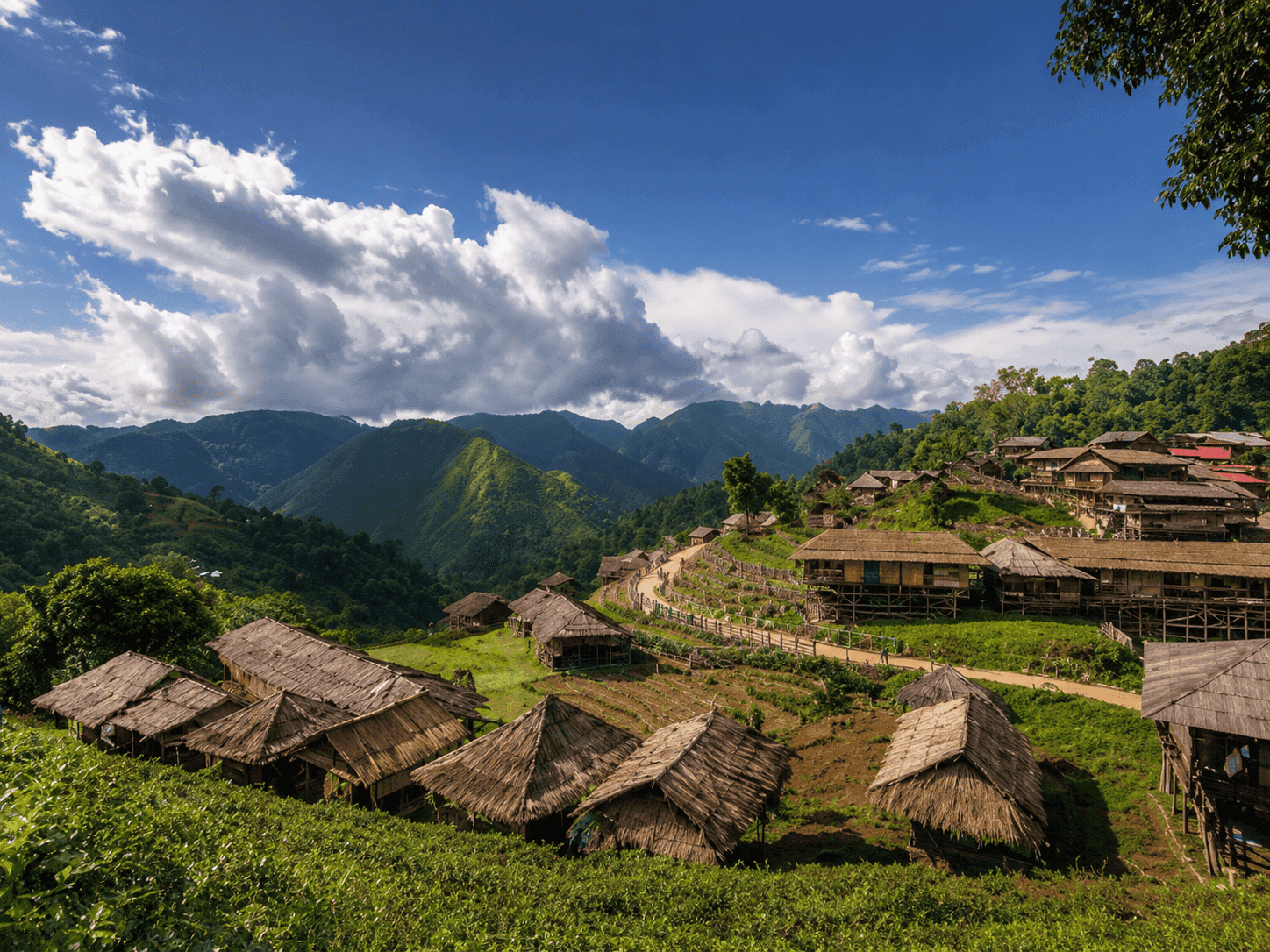
Walk into Kisama Heritage Village during the Hornbill Festival and you'll quickly realise this isn't one celebration — it's sixteen. Each Naga tribe arrives with its own dress, its own dances, its own food, and its own morung, and the richness on display can be overwhelming if you don't know what you're looking at.
Most visitors wander from morung to morung, admiring the colour without ever understanding the story. This guide is for the traveller who wants more. By the time you've read it, you'll know who the major Naga tribes are, what makes each one distinct, and how to walk through Kisama with genuine understanding and respect — turning a sightseeing stroll into a real cultural encounter.
The Naga Tribes at Hornbill Festival: An Overview
The Nagas are not a single people but a family of distinct tribes, each with its own language, customs, attire, and heritage. Nagaland is officially home to 16 or so major recognised tribes — including the Angami, Ao, Sumi, Lotha, Konyak, Chakhesang, Rengma, Phom, Chang, Khiamniungan, Zeliang, Yimchunger, Sangtam, Pochury, Kachari and Kuki — alongside several sub-tribes.
What binds them is a shared Naga identity; what distinguishes them is almost everything else. Each tribe traditionally occupied its own territory across Nagaland's hills, developing languages so different that communities often can't understand one another — which is why Nagamese, a common link-language, and English are widely used across the state.
The Hornbill Festival, launched by the Government of Nagaland in the year 2000, exists precisely to bring these tribes together under one roof to celebrate and preserve their heritage. That's what makes the festival so special: nowhere else can you experience the full spectrum of Naga tribes in one place, in one visit. It's a living showcase of one of India's most culturally diverse regions.
What Is a Morung? Kisama Heritage Village Explained
To understand Kisama, you first need to understand the morung.
Traditionally, a morung was the heart of every Naga village — a large communal house, usually built of wood and bamboo and often beautifully carved, where young men and women learned the ways of their tribe. It served as a dormitory, a school, a guardhouse, and a centre of community life, where elders passed down skills, folklore, discipline, warfare, craft, and custom to the next generation. The morung was where a young Naga became a full member of the tribe.
Kisama Heritage Village — officially the Naga Heritage Village — was purpose-built to carry this tradition into the festival. Located about 12 km from Kohima, Kisama (its name drawn from the nearby villages of Kigwema and Phesama) hosts a dedicated morung for each major tribe, arranged across the site. During the Hornbill Festival, each tribe occupies its own morung, using it as a base to showcase its culture, cook its traditional food, and welcome visitors.
So when you walk through Kisama, you're effectively walking through a living map of Nagaland — each morung a doorway into a different tribe's world.
Major Naga Tribes & Their Morungs: A Walkthrough
Here's your tribe-by-tribe guide to the morungs you'll encounter. Take your time at each — the differences are the whole point.
The Angami
Native to the Kohima region, the Angami are among the most prominent hosts of the festival. Look for their striking black-and-red shawls, impressive feathered headgear, and the powerful war dances. The Angami are also known for the Sekrenyi festival and their remarkable terraced wet-rice cultivation.
The Ao
From the Mokokchung region, the Ao were among the first Nagas to embrace education and Christianity. Their morung showcases rich textiles and the famous Moatsü festival. Watch for their distinctive shawls and spirited group songs.
The Konyak
Perhaps the most recognisable, the Konyak of Mon district were once the legendary "headhunters." Their elders — some still bearing facial tattoos that once marked warrior status — are a living link to a vanished era. Look for their brass headhunter pendants, boar-tusk ornaments, and elaborate headdresses. The Konyak morung is one of the most visited for good reason.
The Sumi
Known for their bold, energetic performances, the Sumi (Sema) hail from the Zunheboto region. Their warrior heritage shows in dramatic dances and striking red-and-black attire, and their Tuluni festival is among the most joyous in the Naga calendar.
The Lotha
From the Wokha region, the Lotha are celebrated for their colourful ceremonial dress and melodic folk songs. Their morung is a lovely place to hear traditional Naga music.
The Chakhesang & Rengma
These tribes bring their own distinct weaving traditions and dances. The Chakhesang, in particular, are renowned for some of the finest textiles in Nagaland.
The Phom, Chang, Khiamniungan & Others
The eastern tribes bring deep warrior traditions, unique log drums, and some of the most dramatic headgear at the festival. Each morung rewards a closer look and a conversation with its hosts.
Don't rush this walkthrough — the joy of Kisama is in noticing how no two morungs, and no two tribes, are alike.
How to Tell the Tribes Apart: Dress, Dance & Crafts
With sixteen tribes in one place, telling them apart feels daunting at first — but a few cues make it easier and far more rewarding.
Shawls and textiles are the clearest marker. Each tribe has its own patterns, colours, and motifs, traditionally signifying status, achievement, and identity. The Angami's red-and-black, the Ao's warm stripes, the Chakhesang's intricate weaves — once you start noticing, you can't stop.
Headgear and ornaments tell their own stories. Hornbill feathers, boar tusks, cowrie shells, and brass pendants aren't decoration — they traditionally signalled a man's achievements in warfare, hunting, or feasts of merit. The Konyak's warrior ornaments are especially distinctive.
Dance and music vary dramatically too — from thunderous war dances to gentle harvest songs and the deep resonance of log drums. Each tells a story of that tribe's history and way of life.
Crafts and food complete the picture. Each morung cooks its own specialities and displays its own crafts — bamboo work, wood carving, beadwork, and more. Watching, tasting, and asking are the best ways to learn.
The real secret? Talk to the people hosting each morung. Nagas are warm and proud of their heritage, and a respectful question will open doors no guidebook can.
Tips for Visiting the Morungs Respectfully
The morungs are cultural spaces belonging to living communities, not museum exhibits — so a little respect transforms your experience and theirs.
Always ask before photographing people, especially the elders. Many are happy to oblige, but consent matters, and a tattooed Konyak elder is a person with a story, not a photo opportunity. Dress modestly and behave as a guest, not a spectator. When invited to taste food or rice beer, accept graciously — it's an honour. Take genuine interest: ask about the shawls, the dances, the festivals, and listen. Avoid treating the headhunting history as a novelty; approach it with the seriousness it deserves. And support the communities directly by buying their crafts and textiles at the morungs.
Travellers who approach Kisama this way — curious, humble, and warm — invariably come away with the richest experience. The tribes can tell the difference between a tourist collecting photos and a guest genuinely wanting to understand, and they respond in kind.
If you'd like that deeper access — a knowledgeable local guide who can translate, introduce you, and open up the stories behind each morung — that's exactly what a well-planned cultural trip provides.
"You don't just watch the Hornbill Festival — you're welcomed into sixteen worlds, each with its own songs, its own stories, and its own open door."
The Hornbill Festival is extraordinary on your own — but it's unforgettable with someone who can introduce you to the tribes, translate the stories, and open the morungs' doors. Explore BreakBag's Hornbill Festival 2026 cultural packages → and experience Nagaland's tribes not as a spectator, but as a welcomed guest.
You May Also Connect With Us On →
Website: BreakBag Holidays |
Email: support@breakbag.com |
Facebook: BreakBag Holidays |
Instagram: @breakbagholidays |
YouTube: BreakBag Holidays |
Threads: @breakbagholidays |
LinkedIn: BreakBag Holidays |