


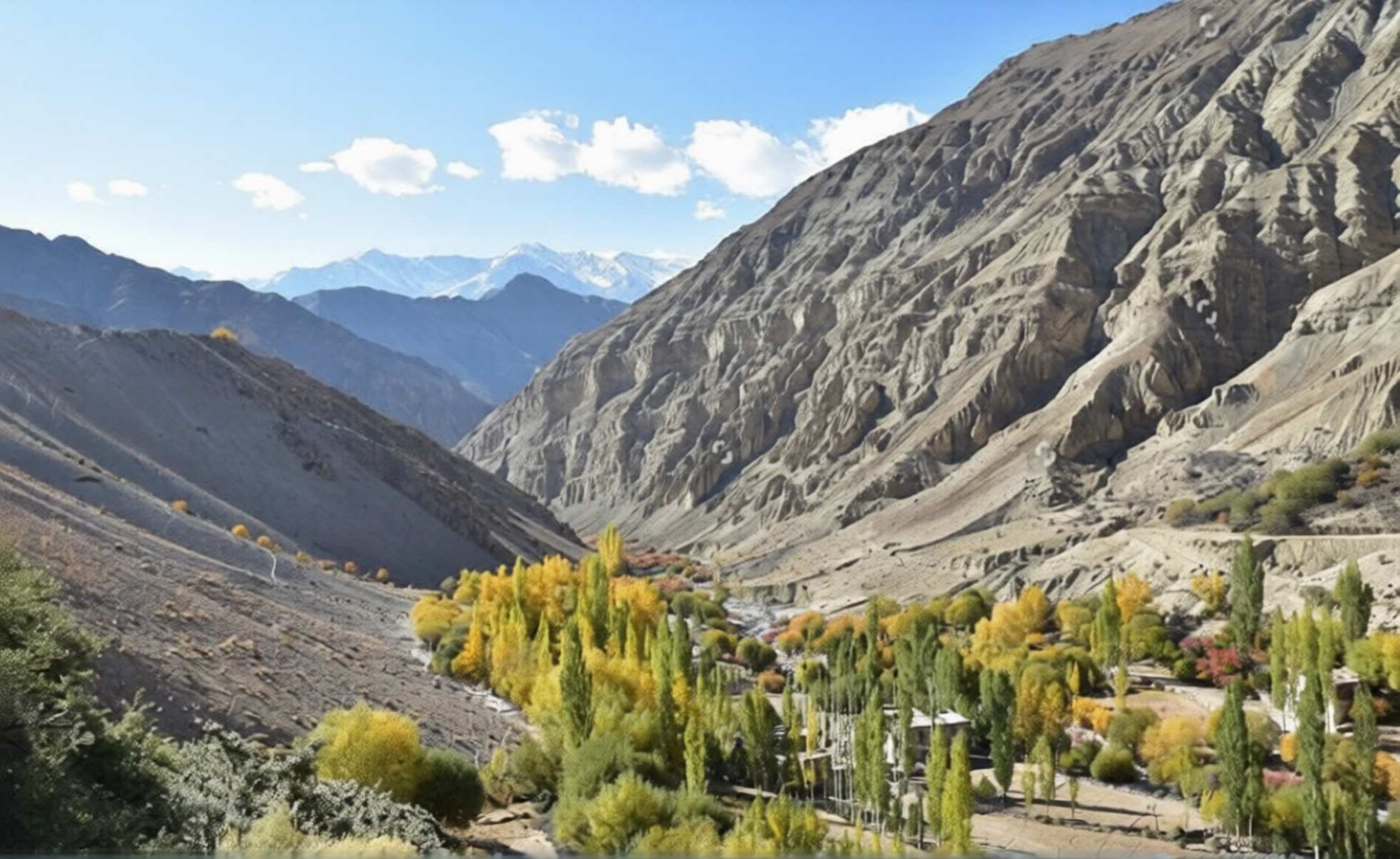
Sham Valley Ladakh Travel Guide: The “Apricot Valley” of Leh
By the BreakBag Travel TeamLadakh is often imagined through dramatic high passes, turquoise lakes, and snow-draped mountains. Yet, beyond the iconic routes of Nubra Valley and Pangong Lake lies a softer, more intimate side of Ladakh — Sham Valley. Known as the “Apricot Valley of Leh,” Sham Valley offers a journey into Ladakhi culture, ancient monasteries, Indus Valley landscapes, and peaceful Himalayan villages. It is here that Ladakh feels lived-in, rooted, and human.
The moment you leave Leh town and drive west along the Indus River, the scenery begins to change. The terrain becomes gentler, dotted with green patches, apricot orchards, and traditional Ladakhi homes. The air feels calmer, the pace slower, and the experience more immersive. Sham Valley travel is not about rushing through attractions; it is about absorbing culture, landscapes, and heritage.
For travelers searching for offbeat Ladakh travel experiences, Sham Valley sightseeing tours, and cultural Ladakh itineraries, this region becomes the perfect introduction to the soul of Ladakh.
First-time visitors can rely on BreakBag Holidays’ Leh Ladakh tour packages for well-paced itineraries, acclimatization-friendly travel, and guided sightseeing.
Why Sham Valley is Called the Apricot Valley of Ladakh
Sham Valley earned its name from the abundance of apricot orchards that bloom across the region during spring and summer. Villages like Alchi, Likir, Basgo, and Tingmosgang are surrounded by apricot trees that paint the landscape in soft shades of pink and orange during the flowering season.
Apricot cultivation is deeply tied to the local economy and lifestyle. The fruit is dried, preserved, and used in traditional Ladakhi cuisine, oils, and local trade. Travelers visiting during the apricot blossom season witness a side of Ladakh that feels almost alpine — colorful, fragrant, and culturally vibrant.
This connection between nature and culture makes Sham Valley one of the most unique destinations for Ladakh cultural tourism, heritage travel, and sustainable village tourism.
Apricot cultivation has long been part of Ladakh’s cultural identity, as documented by agricultural and heritage studies in the region.
Journey from Leh to Sham Valley: The Indus Valley Route
The Leh to Sham Valley route is one of the most scenic drives in Ladakh. The road follows the Indus River, passing through historic settlements, monasteries perched on cliffs, and ancient fort ruins that narrate stories of Ladakh’s past.
This drive is often included in Sham Valley day trips from Leh, making it accessible even for travelers with limited time. The valley lies at a lower altitude compared to many Ladakh regions, making it ideal for acclimatization and relaxed exploration.
For those planning Ladakh itineraries, the Sham Valley circuit often includes:
-
Likir Monastery
-
Alchi Monastery
-
Basgo Fort
-
Lamayuru Monastery
-
Sangam point (Indus-Zanskar confluence)
Each stop along this route contributes to a layered understanding of Ladakh’s cultural geography.
Monasteries of Sham Valley: Spiritual Heart of Ladakh
Sham Valley is home to some of Ladakh’s most significant monasteries. Unlike crowded tourist hubs, these monasteries offer quiet reflection, intricate architecture, and ancient Buddhist heritage.
Alchi Monastery, known for its thousand-year-old murals and Indo-Tibetan art style, stands as a cultural treasure. Likir Monastery offers panoramic views of the Indus Valley and houses a massive Buddha statue. Basgo Monastery and fort ruins reflect Ladakh’s royal past, while Lamayuru Monastery, often called the “Moonland of Ladakh,” adds a surreal geological dimension.
Travelers exploring monastery circuits in Ladakh, Buddhist heritage trails, and spiritual tourism experiences often prioritize Sham Valley for its authenticity and depth.
Life in Sham Valley Villages: Culture, Simplicity, and Community
Beyond monasteries and landscapes, Sham Valley reveals the everyday life of Ladakhi communities. Traditional mud-brick houses, prayer flags fluttering in the wind, and fields nourished by glacial streams create a living cultural landscape.
Villages in Sham Valley maintain strong ties to agriculture, local crafts, and community-based living. Travelers engaging in village walks, homestays, and cultural interactions gain insight into Ladakhi traditions, food habits, and seasonal rhythms.
This makes Sham Valley one of the best regions for experiential travel in Ladakh, rural tourism, and community-based travel experiences.
According to the official Ladakh Tourism Department, spring is one of the best seasons to experience Ladakh’s cultural festivals and blooming apricot orchards.
Sham Valley for Offbeat Ladakh Travel
While Nubra Valley and Pangong Lake dominate travel itineraries, Sham Valley remains relatively peaceful. This makes it ideal for slow travelers, photographers, and cultural explorers.
The valley offers:
-
Quiet monastery visits
-
Heritage architecture exploration
-
Apricot orchard walks
-
Scenic Indus Valley drives
-
Village storytelling experiences
For travelers searching offbeat places in Ladakh, hidden valleys near Leh, and authentic Ladakh travel experiences, Sham Valley stands out.
Photography in Sham Valley: Landscapes and Culture
Sham Valley is a paradise for photographers seeking diversity. Unlike the dramatic landscapes of Pangong, the valley offers layered compositions — rivers, villages, monasteries, and orchards.
Key photography highlights include:
-
Apricot blossom landscapes
-
Monastery architecture
-
Indus Valley panoramas
-
Cultural portraits of Ladakhi villagers
-
Lamayuru moonland terrain
Travelers planning Ladakh photography tours, heritage documentation trips, and cultural photo expeditions find Sham Valley incredibly rewarding.
Best Time to Visit Sham Valley Ladakh
The best time to visit Sham Valley depends on the kind of experience travelers seek.
- Spring (April–May) : Apricot blossom season, vibrant landscapes, cultural immersion.
- Summer (June–September) : Pleasant weather, accessible roads, ideal for sightseeing tours.
- Autumn (October) : Golden landscapes, harvest season, peaceful travel conditions.
- Winter (November–March) : Harsh weather, limited access, but authentic village life experience.
Most Ladakh travel packages include Sham Valley between May and September for optimal conditions.
Cultural Importance of Sham Valley in Ladakh
Historically, Sham Valley served as a trade route connecting Ladakh with Kashmir and Central Asia. This legacy is reflected in architecture, cultural practices, and settlement patterns.
The region represents a confluence of Buddhist spirituality, Himalayan traditions, and agricultural sustainability. Travelers exploring Ladakh heritage tourism, cultural landscapes, and Himalayan village histories often find Sham Valley deeply enriching.
Sustainable Tourism and Sham Valley
As tourism grows in Ladakh, Sham Valley presents a model for responsible travel. Homestays, local guides, and community-run initiatives ensure that tourism benefits residents directly.
Travelers choosing Sham Valley support:
-
Local agriculture and apricot farming
-
Traditional crafts and livelihoods
-
Cultural preservation
-
Sustainable tourism practices
Keywords like sustainable Ladakh travel, community tourism, rural Ladakh exploration, and heritage village tourism strongly align with Sham Valley experiences.
Why Sham Valley Should Be on Every Ladakh Travel Plan
Sham Valley introduces travelers to Ladakh gradually, meaningfully, and authentically. It balances landscapes with culture, spirituality with everyday life, and tourism with heritage.
For those planning Ladakh tours, Sham Valley becomes essential because it:
-
Offers cultural immersion
-
Provides acclimatization-friendly travel
-
Connects monasteries and villages
-
Showcases apricot landscapes
-
Supports sustainable tourism
It transforms Ladakh from a sightseeing trip into a lived experience.
Ladakh is widely regarded as one of India’s top destinations for landscape and cultural photography during spring. Know More About Ladakh From National Geographic India.
In a region celebrated for extremes, Sham Valley represents balance. It is neither overly commercial nor completely isolated. It exists in the middle — where culture thrives, landscapes soothe, and stories unfold quietly.
The Sham Valley Ladakh travel experience is not about chasing highlights; it is about discovering Ladakh through its people, villages, and traditions. It invites travelers to slow down, observe, and connect.
For anyone seeking offbeat Ladakh travel, cultural exploration, monastery circuits, and meaningful Himalayan journeys, Sham Valley stands as the heart of Ladakh — gentle, vibrant, and unforgettable.
“Sham Valley doesn’t rush you with sights — it slowly lets you feel the soul of Ladakh.”
Plan your Sham Valley journey with BreakBag — curated, cultural, and locally guided.
Looking for a hassle free trip?
Connect with our experts! Get the best Itineraries and Offers!