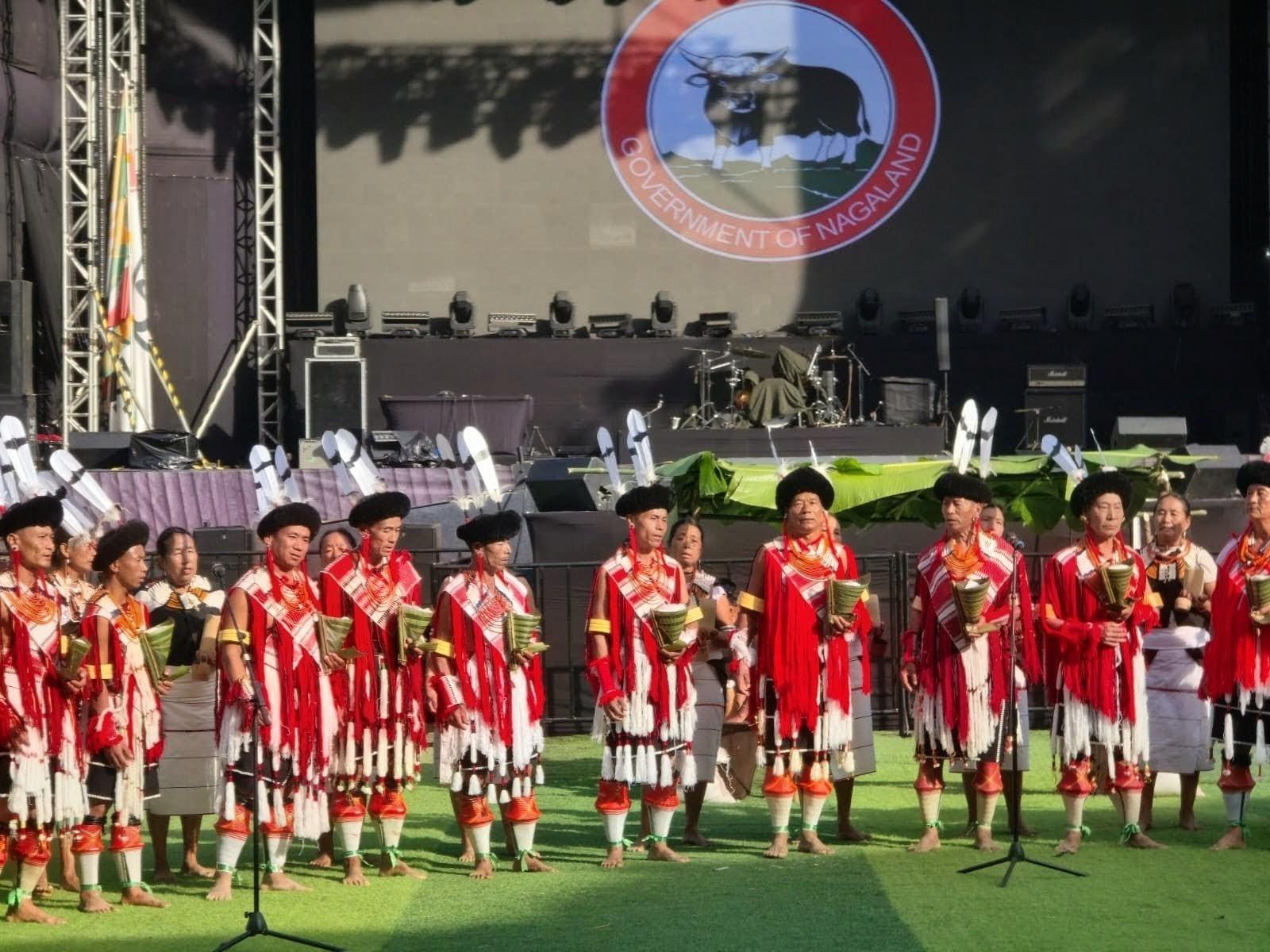
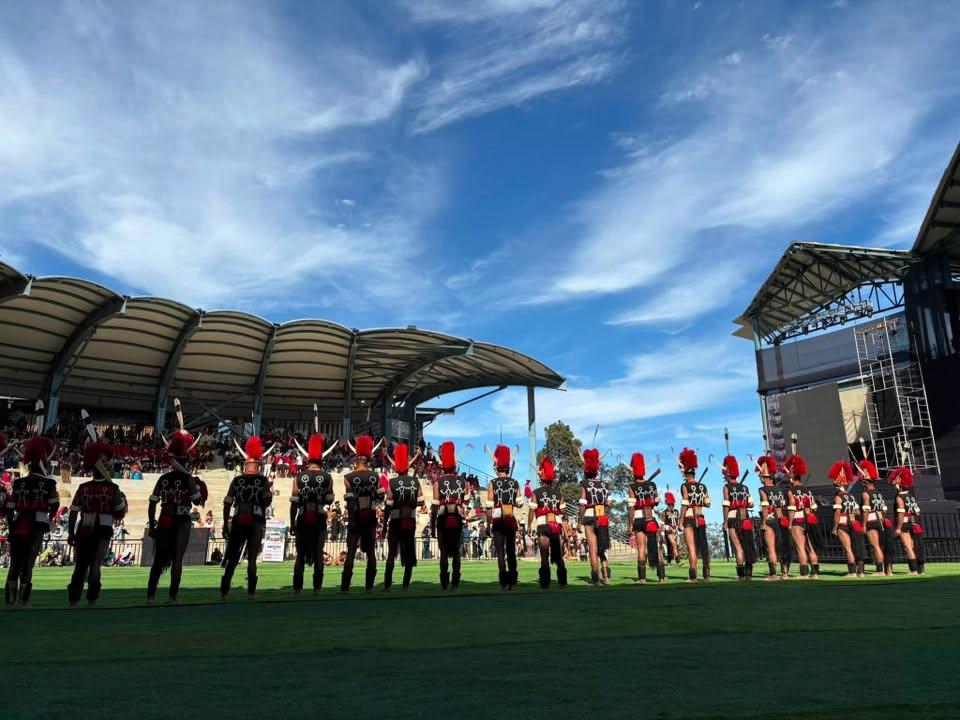
If you're a foreign traveller planning to witness the Hornbill Festival in December 2026, there's one piece of paperwork you cannot afford to overlook: the Protected Area Permit for Nagaland. It's the difference between standing among the tribes at Kisama Heritage Village and being turned back at the state line.
Here's the part most travellers don't realise — the permit rules for Nagaland changed recently, and a lot of older travel advice floating around the internet is now out of date. This guide cuts through that confusion with the current, verified position, walks you through how the process works, and shows you how to avoid the mistakes that catch first-timers out.
Let's make sure your trip to the Festival of Festivals starts smoothly.
What Is the Protected Area Permit (PAP) for Nagaland?
A Protected Area Permit (PAP) is an official travel authorisation issued under India's Foreigners (Protected Areas) Order, 1958. It applies to certain sensitive regions near India's international borders — and Nagaland is one of them.
In plain terms: the Indian government designates these border states as protected areas, and foreign nationals need special permission, over and above a visa, to enter and travel within them. The PAP is that permission. It exists for security reasons, given Nagaland's proximity to the Myanmar border.
The permit is issued by the Government of India — through the Ministry of Home Affairs and its designated authorities — not by the Nagaland state government. That's an important distinction, because it means the rules can shift at the national level, as they recently have. Every foreign national, regardless of nationality, falls under this requirement when visiting Nagaland (Bhutanese citizens are the standard exception).
Do Foreigners Need a PAP for Hornbill Festival 2026?
This is where the recent change matters, so let's be precise.
For over a decade — from 2011 to late 2024 — the Protected Area Permit requirement for Nagaland was relaxed. Foreign tourists could enter on their Indian visa and simply register with the local Foreigners' Registration Office on arrival. Many blogs still repeat this, which is why you'll find conflicting information online.
That arrangement has ended. On 17 December 2024, India's Ministry of Home Affairs reimposed the Protected Area regime for Nagaland, Manipur and Mizoram, with Nagaland's relaxation formally withdrawn. The reason cited was growing security concerns along the borders.
What this means for you: as things currently stand for 2026, foreign nationals once again need a valid Protected Area Permit to enter Nagaland — and yes, that includes travelling to the Hornbill Festival at Kisama.
Because this is a recently reintroduced and still-evolving rule, the exact application mechanics are being actively refined by the authorities. So while the requirement is clear, you should always confirm the live process close to your travel date — a point we'll come back to. Check the official Nagaland Tourism website and the e-FRRO portal for the latest word.
PAP vs ILP: Which Permit Do You Actually Need?
One of the most common sources of confusion for visitors to Nagaland is the difference between two permits that sound similar but apply to completely different people.
Inner Line Permit (ILP): This is for Indian citizens who are not permanent residents of Nagaland. It's quick, cheap, and applied for online. Foreign nationals do not use the ILP as their primary entry permit.
Protected Area Permit (PAP): This is for foreign nationals. It's governed by national rules, is more involved than the ILP, and is the permit that matters for your Hornbill trip as an international traveller.
A simple way to remember it: ILP is for Indians, PAP is for foreigners. If you hold a non-Indian passport, the PAP is your document. Note that some practical requirements around registration can overlap, and the interplay between the two has shifted with the recent rule change — another reason to verify the current specifics rather than rely on a single blog's checklist.
How to Apply for the PAP: Step-by-Step Guide
Here's the general process for obtaining a Protected Area Permit for Nagaland. Because the rules were recently reimposed and are being refined, treat this as the reliable framework and confirm each step's live detail through official channels or your tour operator before you travel.
Step 1 — Secure your Indian visa first. The PAP sits on top of a valid Indian tourist visa, not in place of it. Get your visa sorted before anything else.
Step 2 — Determine the current application route. Permits are increasingly processed through the e-FRRO portal (indianfrro.gov.in/efrro). Historically, PAPs have also been arranged through the Ministry of Home Affairs, Indian missions abroad, and designated state authorities. Confirm which route is active for Nagaland at the time you apply.
Step 3 — Apply well in advance. Official guidance has long advised securing protected-area approvals at least 30 days ahead of travel. For a peak event like Hornbill, earlier is safer.
Step 4 — Note the group and validity conditions. The PAP has traditionally been issued for a minimum group (often two travellers) and for a limited validity window aligned to your trip. These conditions have varied, so check the current terms.
Step 5 — Carry your documents and your permit. Keep both digital and printed copies of your permit, passport, visa, and photos with you throughout Nagaland — you may be asked to show them.
Step 6 — Register on arrival if required. Local registration with the Foreigners' Registration Office may still apply alongside the permit. Your operator or hotel will usually guide you on this.
If that sounds like a lot of moving parts that keep changing — it is. That's precisely why most foreign visitors to the Hornbill Festival choose to travel with a registered operator who handles the permit and paperwork end to end. More on that below.
Documents, Fees & Common PAP Mistakes to Avoid
Documents you'll typically need:
- A valid passport (full validity, with scanned copies)
- A valid Indian tourist visa
- Recent passport-sized photographs
- Your travel itinerary and accommodation details
- Completed application form via the relevant portal
On fees and timelines: these have varied between sources and with the recent rule change, so rather than quote a figure that may be wrong at the border, confirm the current fee and processing time directly on the e-FRRO portal or through your operator. Processing has historically taken several working days — don't leave it to the last minute.
Common mistakes that trip people up:
- Relying on outdated "no permit needed" advice. The biggest trap. Pre-2025 guidance said foreigners only had to register — that's no longer the position. Always use current sources.
- Applying too late. Permits take time, and peak-season demand around Hornbill makes delays likely. Apply weeks ahead.
- Assuming the ILP covers you. It doesn't — that's the Indian-citizen permit. Foreigners need the PAP.
- Not carrying copies. You may be checked en route and at the venue. Keep documents on you.
- Ignoring the group/validity conditions. Travelling solo or on the wrong dates can clash with permit terms — check before you book flights.
"The best journeys begin long before you arrive — in the quiet confidence of knowing every door will open when you reach it. For Nagaland, that confidence starts with your permit."
The Hornbill Festival is one of the world's great cultural experiences — don't let permit confusion stand between you and Kisama. The rules have changed, and they're still settling, so the smartest move for international travellers is to let specialists handle it. Explore BreakBag's guided Hornbill Festival 2026 experiences → — we take care of your Protected Area Permit, paperwork, and logistics, so all you have to do is show up and soak it in.
You May Also Connect With Us On →
Website: BreakBag Holidays |
Email: support@breakbag.com |
Facebook: BreakBag Holidays |
Instagram: @breakbagholidays |
YouTube: BreakBag Holidays |
Threads: @breakbagholidays |
LinkedIn: BreakBag Holidays |