Oman Tour from India: The Complete First-Timer's Guide
Everything an Indian traveller actually needs to know before booking — visa, budget, timing, and whether Oman is worth choosing over Dubai.

Oman Tour from India: The Complete First-Timer's Guide

Most people book Oman by accident.

They start out planning Dubai, look at the flight fares in December, look at the hotel rates, and then someone in the group says, "What about Oman? It's right next door and half the price." A week later they're standing at the edge of Wadi Shab wondering why nobody told them about this place earlier.

We've been sending Indian travellers to Oman for years now, and the pattern almost never changes. People arrive expecting a cheaper Dubai. They leave talking about the desert silence, the man at the Nizwa souq who insisted they try dates before buying any, and the fact that they never once felt rushed.

This guide is for the version of you who hasn't gone yet. No sales pitch, no listicle padding. Just what an Oman trip from India actually involves, what it costs, and what will surprise you.


Why Oman Works So Well as a First Trip Abroad from India

If you're taking your first international flight, or your first one without a tour leader holding your hand, Oman removes most of the things that make first trips stressful.

The flight is short. Mumbai to Muscat is roughly three hours. Delhi, Bengaluru, Hyderabad, Chennai and several Kerala cities all have direct connections, and fares stay reasonable outside peak December. From Kolkata and most eastern cities you'll usually connect through Mumbai or Delhi, which adds a few hours but not much cost.

English is everywhere. Signage, menus, taxi drivers, hotel staff. So is Hindi, Malayalam and Urdu — there are well over half a million Indians living and working in Oman, and that changes the entire texture of the trip. You will not struggle to be understood, and you will not struggle to find food you recognise.

Oman is also one of the safest countries in the world by almost any index you look at. Petty crime is rare enough that people leave phones on café tables. For families travelling with parents, or for women travelling solo, this matters more than any attraction on the itinerary.

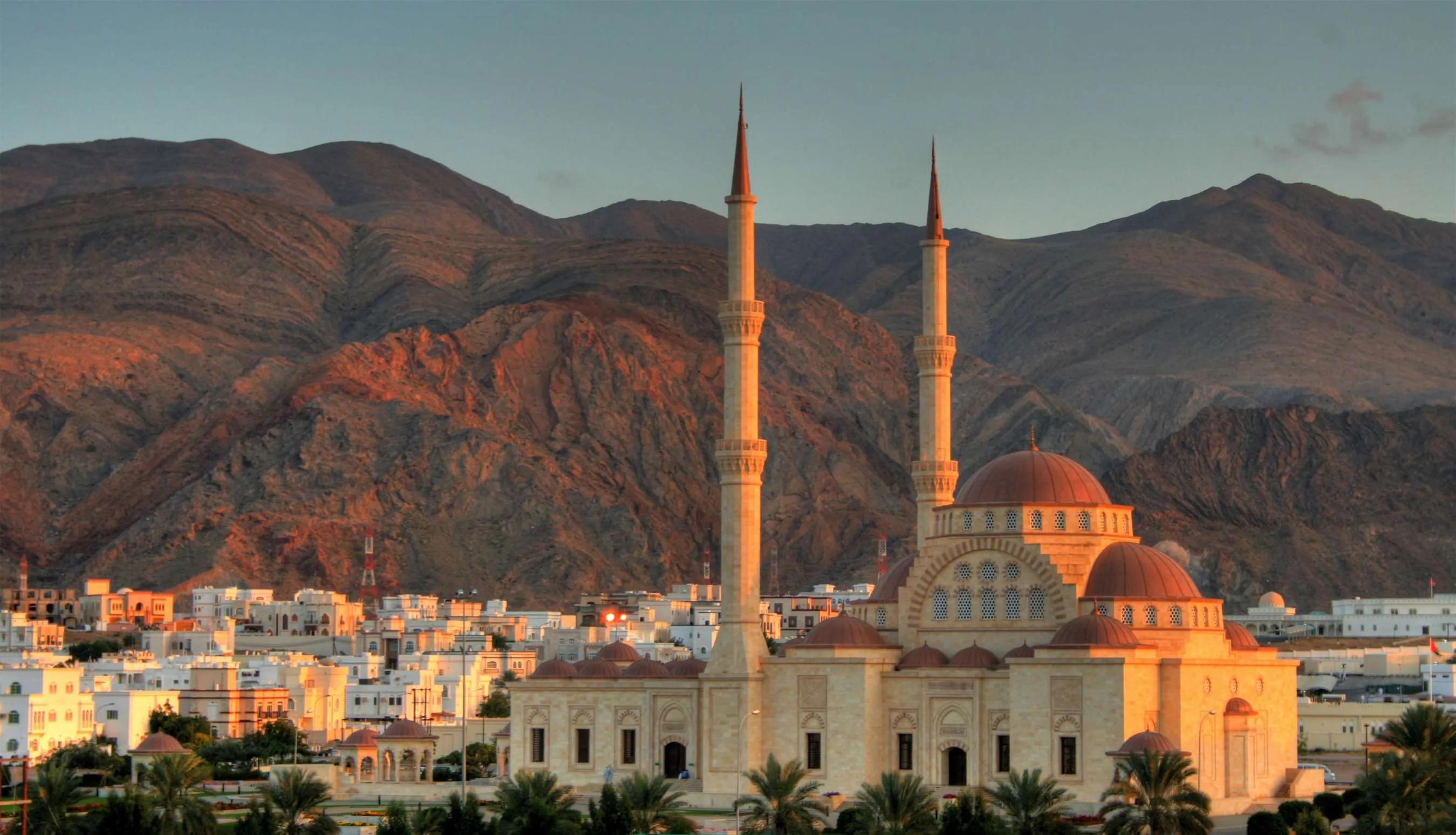
And then there's the actual landscape, which is the part nobody in India talks about enough. Oman has fjords in the north, a genuine canyon at Jebel Shams, rose terraces at Jebel Akhdar, turquoise swimming holes carved into rock, orange dunes at Wahiba Sands, and turtles nesting on the beach at Ras Al Jinz. It looks nothing like the Gulf you have in your head. Learn more about the country's protected sites and heritage listings on the Ministry of Heritage & Tourism portal.

Oman Visa for Indians: What the Process Actually Looks Like in 2026

This is the question we get before any other, so let's be precise about it.

Indian passport holders need a visa before flying. There is no general visa-on-arrival for ordinary Indian passports. The route almost everyone uses is the online e-visa issued by the Royal Oman Police.

You apply directly at the official portal — evisa.rop.gov.om — and the whole thing happens on your laptop. No embassy visit, no biometrics, no agent required. You upload a scan of your passport and a photograph, both under the portal's file-size limit, pay by international card, and wait.

The two options most tourists choose are a 10-day single-entry visa and a 30-day single-entry visa. The 10-day sits at roughly OMR 5 and the 30-day at around OMR 20, which works out to about ₹1,100 and ₹5,000 respectively at current rates. Processing usually lands within one to three working days, though we always tell guests to apply two to three weeks out rather than cutting it fine.

Your passport needs at least six months of validity remaining and two blank pages.

One shortcut worth knowing. If you already hold a valid visa for the US, UK, Schengen area, Canada, Australia or Japan, you may qualify for 14-day entry without applying for a separate Oman visa. Conditions apply — the visa generally needs to have been used at least once — so confirm on the official portal before you rely on it. Indian residents of GCC countries also have a separate 14-day provision.

Visa rules in the Gulf change without much warning. Whatever you read here or anywhere else, check the ROP portal directly before you pay for anything.

Best Time to Visit Oman from India — and Why Salalah Breaks the Rule

For most of Oman, the answer is simple: October to April.

Daytime temperatures in that window sit in a comfortable range for sightseeing, hiking and desert camping. December and January are the sweet spot, though they're also when rates climb because Europe is holidaying too. February and March are our own favourite months — warm, clear, and noticeably less crowded.

May through September is genuinely hot in Muscat and the interior. Forty degrees plus, with the kind of heat that ends outdoor plans by ten in the morning. We don't recommend it for a first Oman trip from India.

Except for Salalah, which does the exact opposite.

Salalah sits in the Dhofar region in Oman's far south, and every year between roughly late June and early September it catches the tail of the monsoon. Locals call it Khareef. The desert hills turn green. Waterfalls appear at Wadi Darbat. Mist rolls over the mountains and the temperature drops to the mid-twenties while the rest of the Gulf bakes.

It's one of the strangest and most beautiful things in the Arabian Peninsula, and Indian travellers are finally catching on. If your leave falls in July or August, don't write Oman off — just fly to Salalah instead of Muscat. The tourism board publishes the Khareef festival calendar each year at Experience Oman.

How Many Days You Need: 4, 6, or 10 Nights

The honest answer depends on how much of the country you want, not on some standard package length.

3 to 4 nights — Muscat and its edges. Enough for the Sultan Qaboos Grand Mosque, Mutrah Souq, the Corniche, and one big day out to Wadi Shab and the Bimmah Sinkhole. This is the long-weekend version, and it works well if you're pairing Oman with another Gulf stop. Our 3-night Oman getaway with Wadi Shab is built exactly for this.

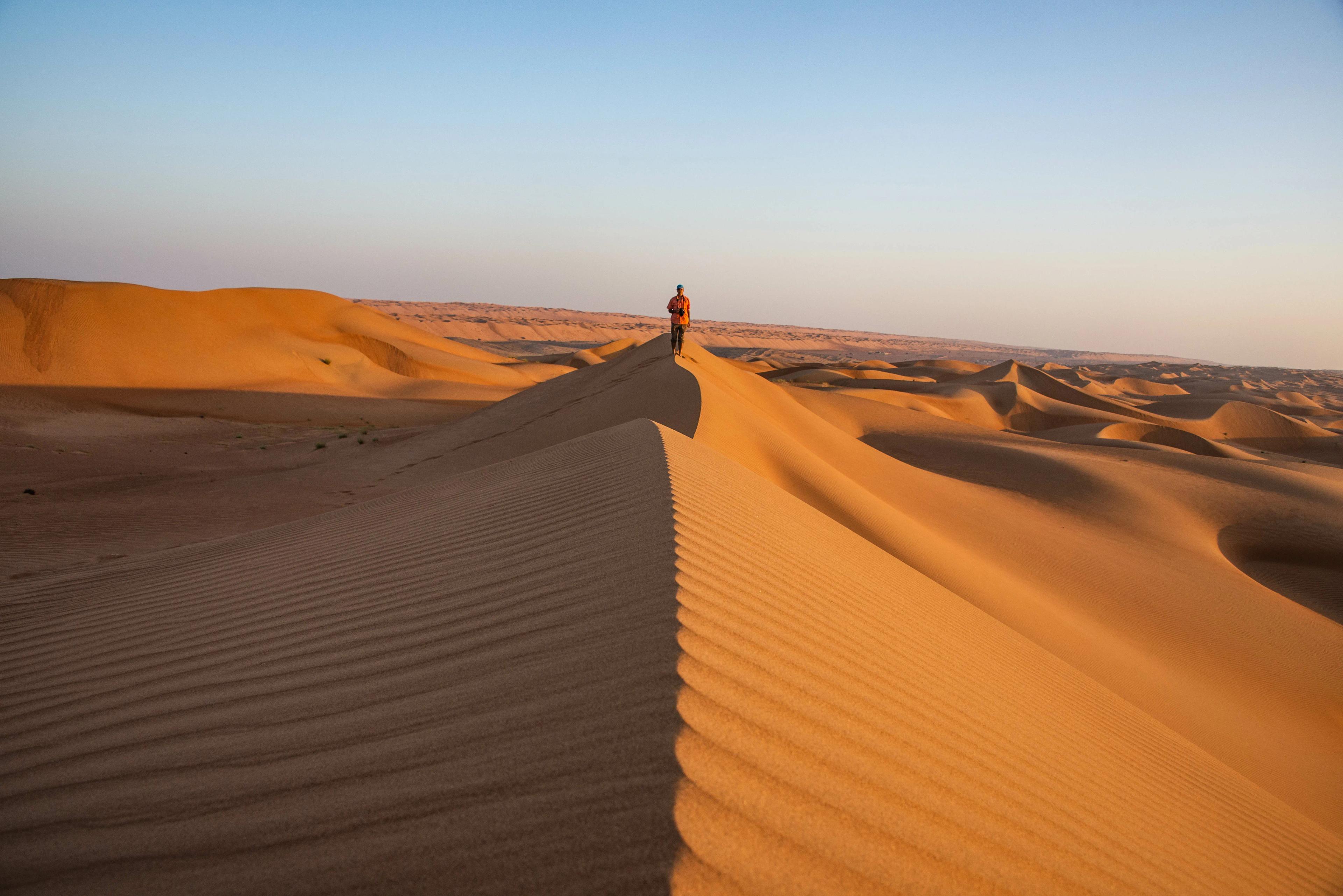
5 to 6 nights — the version we'd actually recommend. Muscat, plus a night under canvas at Wahiba Sands, plus Nizwa's fort and souq, plus the wadis. You get the desert, the mountains and the coast without spending your holiday in a car. Six nights is the point at which Oman stops feeling like a city break and starts feeling like a country. See how it's structured in our 5-night Oman itinerary with Wahiba Sands.

8 to 10 nights — the full circuit. Now you can add Jebel Shams, Jebel Akhdar, the turtle beach at Ras Al Jinz, and either Salalah in the south or the Musandam fjords in the north. Note that Musandam is geographically separate from the rest of Oman, so it needs its own flight or a drive through the UAE. If you have the leave, our 10-day Oman road trip itinerary maps the whole thing out.

If you're choosing between adding two more days in Muscat or two more days going inland, go inland every time. Muscat is pleasant. The interior is what people remember.

What an Oman Trip from India Really Costs

Nobody enjoys the vagueness in travel pricing, so here's a working range for a 5 to 6 night trip per person, sharing a room.

Return flights from Mumbai, Delhi or Bengaluru typically run ₹18,000 to ₹32,000 depending on how early you book and whether you're flying in December. Mid-range hotels in Muscat sit around ₹5,000 to ₹8,000 a night. A night at a desert camp in Wahiba Sands, meals included, is usually ₹6,000 to ₹12,000 depending on how comfortable you want the tent to be.

Ground transport is the line item most people underestimate. Oman has almost no intercity public transport worth relying on, so you're either renting a car or using private transfers. Budget for it properly.

Food is cheaper than you'd expect. A good meal at a local Omani or Indian restaurant runs ₹400 to ₹700. Hotel dining is a different universe.

All in, a comfortable 5 to 6 night trip lands somewhere between ₹65,000 and ₹1,10,000 per person including flights. You can go lower with careful hotel choices and higher very quickly if you want the desert resorts.

One currency warning that catches everyone: the Omani Rial is worth roughly ₹230. When something is priced at 15 Rial, that's around ₹3,400, not ₹1,500. Do the mental arithmetic before you commit at a souq.

Our Oman tour packages from India bundle flights, hotels, transfers and visa assistance, which usually works out cheaper than assembling the same trip yourself — mainly because of the ground transport.

Oman vs Dubai: An Honest Comparison for First-Timers

We sell both, so take this as fairly as it's meant.

Choose Dubai if you want shopping, theme parks, world-record architecture, an enormous choice of Indian restaurants, and a trip where every hour is programmed. It's easier with young children and it's genuinely spectacular at what it does.

Choose Oman if you want landscape over skyline, and you'd rather come home with stories than shopping bags. It's noticeably cheaper on hotels and food. It's quieter, older, and slower. The trade-off is that there's less to do in the packaged sense — you're driving to places and looking at them, not queuing for attractions.

There's a third answer people forget: do both. Muscat to Dubai is a short hop, and a combined itinerary gives first-timers the contrast that makes each half better. Plenty of our guests pair Oman with our Dubai tour packages for exactly this reason.

What Nobody Tells You — Dress Code, Alcohol, Food, Safety & Culture

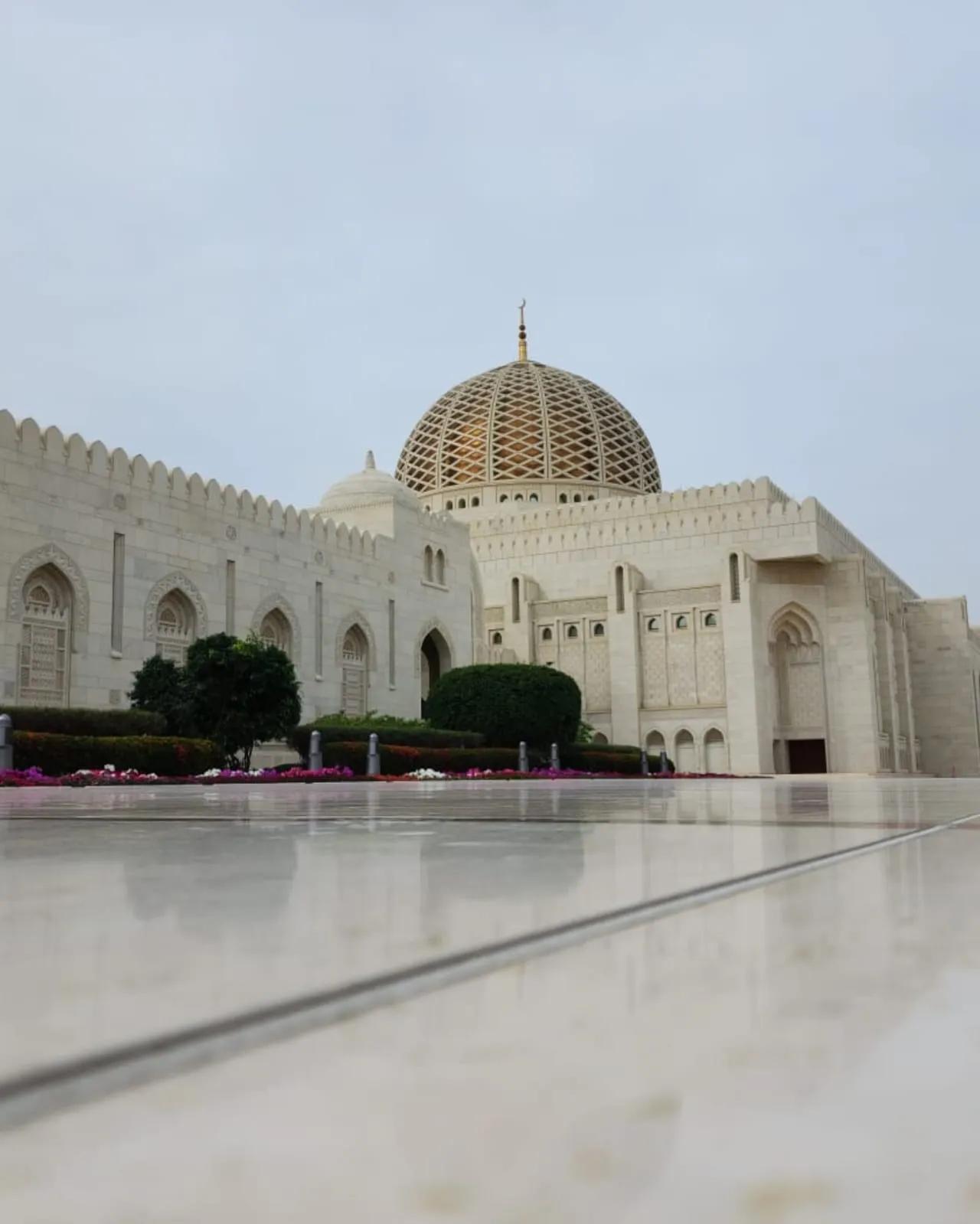
Dress code. Oman is more conservative than Dubai and it notices. Shoulders and knees covered in public for everyone. At the Sultan Qaboos Grand Mosque, women need long sleeves, ankle-length clothing and a headscarf — this is enforced, not suggested. The mosque admits non-Muslim visitors on weekday mornings only, so check timings before you build your day around it. Swimwear is fine at hotel pools and private beaches, not on public ones.

Alcohol. You won't find it in supermarkets. Licensed hotels and a handful of restaurants serve it, prices are steep, and drinking in public or being visibly drunk is a serious offence. Plan accordingly rather than being surprised.

Food. This is where Indian travellers relax. Muscat has South Indian, Kerala, Punjabi and Gujarati restaurants across every price bracket. Vegetarians and Jain travellers manage far more easily here than in most international destinations. Do try the Omani side of things too — shuwa, majboos, dates with kahwa poured from a brass pot.

Culture. Fridays are quiet, and shops often close through midday prayer. Ask before photographing people, particularly women. Learn shukran. Omanis are genuinely, unhurriedly hospitable, and a small effort is returned tenfold.

Safety. Very high, including for solo female travellers, though standard sense still applies. Save the Indian Embassy in Muscat contact details in your phone before you fly. You almost certainly won't need them.

One heritage note worth planning around: Bahla Fort near Nizwa is a UNESCO World Heritage Site and one of the oldest mudbrick fortresses in Arabia. It's a short detour from the standard Nizwa route and most itineraries skip it. Don't.


"Oman doesn't shout for your attention the way its neighbours do. It waits — and then it stays with you."


Ready to Stop Researching and Start Planning?

You've now got the visa process, the budget, the timing and the honest trade-offs. The next part is easier with someone who's done it before.

BreakBag builds Oman itineraries specifically for Indian travellers — visa assistance, airport transfers, desert camps, and departures from major Indian cities. No template packages, no filler days.

Talk to our Oman specialist and get a custom quote within 24 hours.

Looking for a hassle free trip?

Connect with our experts! Get the best Itineraries and Offers!