


Ladakh Apricot Blossom Tour: Culture, History & a Springtime Travel Guide Through the Himalayas
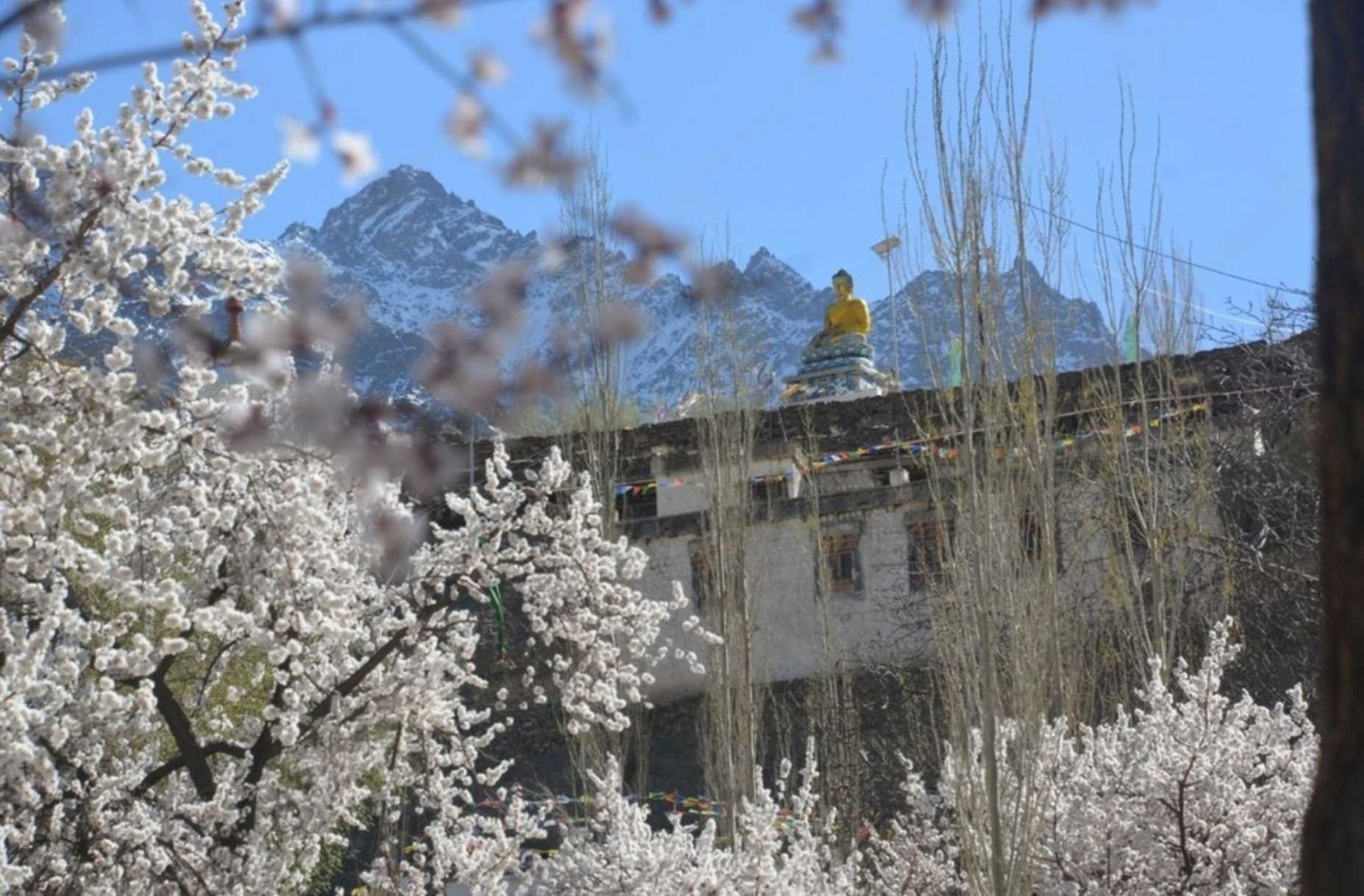
By the BreakBag Travel TeamThere is a short window every year when Ladakh transforms from a stark, high-altitude desert into a soft, blooming paradise. As winter slowly retreats and the first warmth of spring touches the Himalayan soil, thousands of apricot trees burst into delicate shades of white and pink, redefining the rugged landscape into something poetic and rare. This is the season of apricot blossom in Ladakh, when silent valleys awaken with color, fragrance, and centuries-old stories whispered by orchards and monasteries.
Unlike the crowded summer months, the spring season in Ladakh offers travelers a quieter, more soulful experience. The apricot bloom Ladakh journey is not just about flowers; it is about culture, heritage, village life, ancient trade routes, and slow, meaningful travel through one of India’s most extraordinary regions. This Ladakh apricot blossom tour curated by BreakBag Holidays invites you to explore Ladakh beyond clichés, through hidden valleys, historic monasteries, scenic high passes, and tranquil lakes — all framed by blooming orchards and snow-capped peaks.
Arrival in Leh: Breathing Into the Himalayas
Your journey begins in Leh, the heart of Ladakh, where the thin mountain air carries both silence and wonder. On Day 1, arrival in Leh is intentionally slow. Acclimatization is not merely a medical necessity here — it is a ritual of respect toward the mountains. As you rest and adapt, the snow-covered Stok range glimmers in the distance while prayer flags flutter softly, welcoming you to a land where time flows differently.
This pause allows you to tune into the rhythm of Ladakh, preparing both body and mind for a deeper exploration. It is also during these quiet hours that many travelers realize that Ladakh is not just a destination, but an emotion.
Leh to Aryan Valley: Where Blossoms Meet Ancient Lineage
On Day 2, the real magic unfolds as you journey from Leh toward the enchanting Aryan Valley, a region that becomes one of the most breathtaking apricot blossom destinations in Ladakh during spring. En route, you witness two contrasting yet equally powerful symbols of Ladakh — the confluence at Sangam, where the Indus and Zanskar rivers merge in dramatic harmony, and the Hall of Fame, a tribute to Indian soldiers whose stories echo courage and sacrifice.
As the road curves deeper into the valley, the landscape changes subtly. Apricot trees line village paths, blooming beside traditional stone houses. Aryan Valley is culturally unique, home to the Dard tribe, believed to be descendants of Indo-European lineage. Here, the apricot bloom is not merely ornamental — it is a symbol of livelihood, sustenance, and identity.
Overnight in Aryan Valley immerses you into Ladakhi village life, where silence is broken only by the breeze and the gentle flutter of blossoms.
Exploring Aryan Valley: Where India Ends and Stories Begin
Day 3 is devoted entirely to exploring Aryan Valley and its hidden gems. One of the most evocative experiences here is visiting Gurgu Do, often referred to as one of the last villages of India. Tucked near the border, this village offers a rare glimpse into life untouched by modern chaos. Children walk through blooming orchards, elders sit beneath apricot trees narrating stories of trade routes, migrations, and survival in harsh terrains.
Walking through the villages during apricot bloom season in Ladakh feels like stepping into a painting — snow-draped mountains, pastel blossoms, flowing streams, and centuries-old houses form a landscape that feels both fragile and eternal. This is slow travel at its most authentic — observing, absorbing, and connecting.
Return to Leh via Lamayuru: Where Earth Tells Stories
On Day 4, your journey loops back toward Leh, but not without another profound encounter — the mystical Lamayuru Monastery, one of the oldest monasteries in Ladakh. Perched dramatically amidst moon-like terrain, Lamayuru seems suspended between sky and earth. Known as the “Moonland of Ladakh,” its unusual landscape contrasts beautifully with the softness of spring blossoms seen earlier.
Here, history, spirituality, and geography converge. Lamayuru stands as a guardian of ancient Buddhist teachings and Himalayan wisdom, reminding travelers that Ladakh is not just visually stunning, but spiritually profound.
Overnight in Leh once again gives you comfort while keeping you connected to Ladakh’s rhythm.
Leh to Nubra Valley via Khardung La: Crossing the World’s Roof
Day 5 carries you across one of the world’s most iconic mountain passes — Khardung La, among the highest motorable roads on Earth. As you cross this formidable gateway, the stark landscapes of Nubra Valley reveal themselves — vast, dramatic, and astonishingly diverse.
In Nubra, you visit the historic Diskit Monastery, gazing over the valley like a sentinel of serenity, followed by the surreal experience of the White Sand Dunes of Hunder, where cold deserts and Bactrian camels coexist under snow-laced peaks. While apricot blossoms are subtler here than in Aryan Valley, spring in Nubra brings life back into the valley, making it one of the most fascinating contrasts in Ladakh.
Overnight in Hunder allows you to experience Nubra’s quiet charm under starlit skies.
Nubra to Pangong Lake via Shyok: The Road Less Taken
On Day 6, you travel from Nubra Valley to the iconic Pangong Lake via the remote and scenic Shyok route, one of the most dramatic drives in Ladakh. Here, rugged mountains tower above turquoise rivers, while silence becomes a companion.
As you arrive at Pangong Lake, its changing hues of blue, emerald, and silver seem unreal. Set at over 14,000 feet, Pangong is not just a lake — it is an emotion, a reflection of sky and soul. Spending the night here beneath a canopy of stars is one of Ladakh’s most unforgettable experiences.
Pangong to Leh via Chang La: Where Culture Reunites with Nature
Day 7 brings you back toward Leh via Chang La Pass, another majestic mountain crossing. On the way, you visit Thiksey Monastery, an architectural marvel that mirrors Tibet’s Potala Palace, standing gracefully above the Indus Valley.
You also stop at the famed Rancho School, known from cinema but deeply rooted in Ladakh’s progressive education culture. These stops beautifully weave together Ladakh’s cultural depth and scenic splendor, reminding travelers that Ladakh is as intellectually rich as it is visually breathtaking.
Overnight in Leh marks the closing chapter of your journey, yet the experiences continue to linger.
Departure: Carrying Spring Within You
On Day 8, as you depart Ladakh, you carry more than photographs — you carry stories, silence, colors, and the subtle fragrance of apricot blossoms that once danced across your path.
This Ladakh Apricot Blossom Tour is not just about seeing flowers; it is about understanding Ladakh through its seasons, people, culture, landscapes, and timeless spirit.
Why Choose a Ladakh Apricot Blossom Tour?
Traveling during the apricot bloom season in Ladakh offers a rare opportunity to witness the Himalayas in its gentlest form. Unlike peak tourist months, spring travel in Ladakh is serene, immersive, and culturally rich. From Aryan Valley apricot blossoms to Nubra’s cold desert and Pangong’s high-altitude beauty, this journey represents Ladakh in its most poetic phase.
With BreakBag Holidays, this experience is thoughtfully curated to combine offbeat travel, cultural exploration, scenic routes, and comfort — making it ideal for nature lovers, photographers, slow travelers, and explorers seeking something beyond the ordinary.
“Some journeys are remembered for the places we visit — but Ladakh in bloom is remembered for the peace it leaves behind.”
Book your Spring Ladakh journey today
Enquire now for customized itineraries & exclusive spring offers - www.breakbag.com
Looking for a hassle free trip?
Connect with our experts! Get the best Itineraries and Offers!