

Kenya Safaris Tours for 2026 — All Inclusive Kenya Safari Packages With Lodges, Transfers, Game Drives & Park Fees.
By the BreakBag Travel TeamThere's a moment — somewhere between the first golden hour on the Masai Mara and the low rumble of a lion padding through the tall savannah grass — when every Indian traveler realizes this trip is unlike anything they've ever experienced before. Kenya isn't just a destination. It's a feeling that gets under your skin and stays there long after you've landed back at Kolkata's Netaji Subhas Chandra Bose International Airport.
In 2026, more Indian travelers than ever are choosing Kenya as their next big international adventure. And why not? The flights are short (roughly 6–7 hours from major Indian cities), the visa process is smooth, the wildlife is jaw-dropping, and the hospitality — particularly in a well-organized all-inclusive package — makes the experience remarkably stress-free. This guide is your definitive resource for planning a Kenya safari from India in 2026. Whether you're a first-time safari-goer, a wildlife photography enthusiast, a couple planning a romantic bush honeymoon, or a family looking for an educational adventure — this blog covers everything you need to know.
BreakBag Holidays, one of India's leading Kenya tour operators, has crafted this guide based on firsthand safari expertise, real traveler feedback, and deep destination knowledge. Let's get started.
7-Day Kenya Safari Itinerary — Masai Mara & Amboseli {7-day-itinerary}
The Perfect One-Week Kenya Safari Experience
Seven days is the sweet spot for a first Kenya safari. It's long enough to explore three of Kenya's most iconic destinations — Nairobi, Lake Naivasha & Lake Nakuru, and the legendary Masai Mara — without feeling rushed. This is BreakBag Holidays' signature Kenya Wildlife Group Tour: 7-Day Masai Mara Safari, priced at ₹1,89,000 per person (inclusive of all major costs).
Here's what your week in Kenya actually looks like:
Day 1: Arrival in Nairobi — Welcome to the Wild Heart of Africa
You land at Jomo Kenyatta International Airport (NBO), Nairobi, after a direct or one-stop flight from India. Your BreakBag representative meets you at the arrivals hall with a signboard — no confusion, no stress.
You're transferred to your hotel in Nairobi, where lunch and dinner are taken care of. The evening is yours — perhaps a short walk around the hotel area or a glimpse of the city from your window. Nairobi, a city of 5+ million people, is Africa's most cosmopolitan capital, blending modern skyscrapers with wild green spaces and a vibrant café culture.
Meals: Lunch & Dinner | Stay: Hotel in Nairobi
Day 2: Nairobi to Naivasha — Lake Nakuru Safari & Boat Ride on Lake Naivasha
After a hearty breakfast, you leave Nairobi and head towards the Great Rift Valley — one of Africa's most dramatic geological formations. The road offers sweeping views of this ancient valley, and if you're lucky, you might spot Maasai herders with their cattle along the roadside. Lake Nakuru National Park is your first full safari experience. Famous for its rhino population (both black and white rhinos are present here), Nakuru is also home to flamingos that paint its shores pink during peak season. You'll also encounter baboons, waterbuck, and tree-climbing lions that are unique to this park.
The afternoon brings a completely different kind of magic — a boat safari on Lake Naivasha, one of Kenya's most picturesque freshwater lakes. You float past pods of hippos, watch fish eagles dive for their catch, and take in the serene beauty of the Rift Valley landscape from the water.
Meals: Breakfast, Lunch & Dinner | Stay: Hotel in Naivasha
Day 3: Naivasha to Masai Mara — Into Kenya's Wildlife Paradise
The drive from Naivasha to the Masai Mara is an experience in itself. Covering roughly 200 km, this journey takes you through tea estates, small Maasai villages, and increasingly wild countryside as you descend into the great reserve. You pause at the Great Rift Valley viewpoint for photographs — a moment that most travelers describe as one of the trip's highlights.
After lunch at your safari lodge, the evening brings your first game drive in the Masai Mara, typically from 4 PM to 6:30 PM. This late-afternoon window is arguably the best time for wildlife sightings. Animals are most active, the golden light is perfect for photography, and the sense of entering the wild for the first time is genuinely electric.
Dinner and overnight at a safari lodge or camp inside or on the border of the Masai Mara — falling asleep to the sounds of the African bush is an experience that no five-star urban hotel can replicate.
Meals: Breakfast, Lunch & Dinner | Stay: Safari Lodge/Camp in Masai Mara
Day 4: Full-Day Masai Mara Game Drive — The Big Five Safari Experience
This is the day most travelers have been waiting for. A full day inside the Masai Mara, searching for the Big Five and everything else this extraordinary ecosystem has to offer. You set out early — ideally by 6:30 AM — when predators are finishing their night hunts and the morning mist still hangs low over the plains. Your expert guide navigates across the reserve, reading tracks and scanning the horizon.
In a single day in the Masai Mara, experienced guides consistently deliver sightings of lions, elephants, and buffalos. Cheetah, giraffe, zebra, wildebeest, and hyena sightings are common. Leopards, the most elusive of the Big Five, require patience — but when you spot one draped lazily over an acacia branch, the wait becomes entirely worthwhile. If you're visiting between July and October, there's a strong chance of witnessing the Great Wildebeest Migration — one of the most spectacular natural events on Earth, with over 1.5 million animals crossing the plains.
Meals: Breakfast, Lunch & Dinner | Stay: Safari Lodge/Camp in Masai Mara
Day 5: Masai Mara to Nairobi — Return Journey with Memories
After a final morning game drive (conditions and timing permitting), you begin the drive back to Nairobi. Many travelers use this journey to reflect, edit photos, and start planning their next Kenya trip.
Meals: Breakfast, Lunch & Dinner | Stay: Hotel in Nairobi
Day 6: Nairobi City Tour / Optional Amboseli Extension
Day 6 offers flexibility. For travellers on the standard package, Nairobi itself has excellent options:
-
Nairobi National Park — the world's only national park inside a capital city, where you can photograph lions with skyscrapers in the background
-
David Sheldrick Wildlife Trust — a world-famous elephant orphanage
-
Giraffe Centre — where you can hand-feed endangered Rothschild giraffes
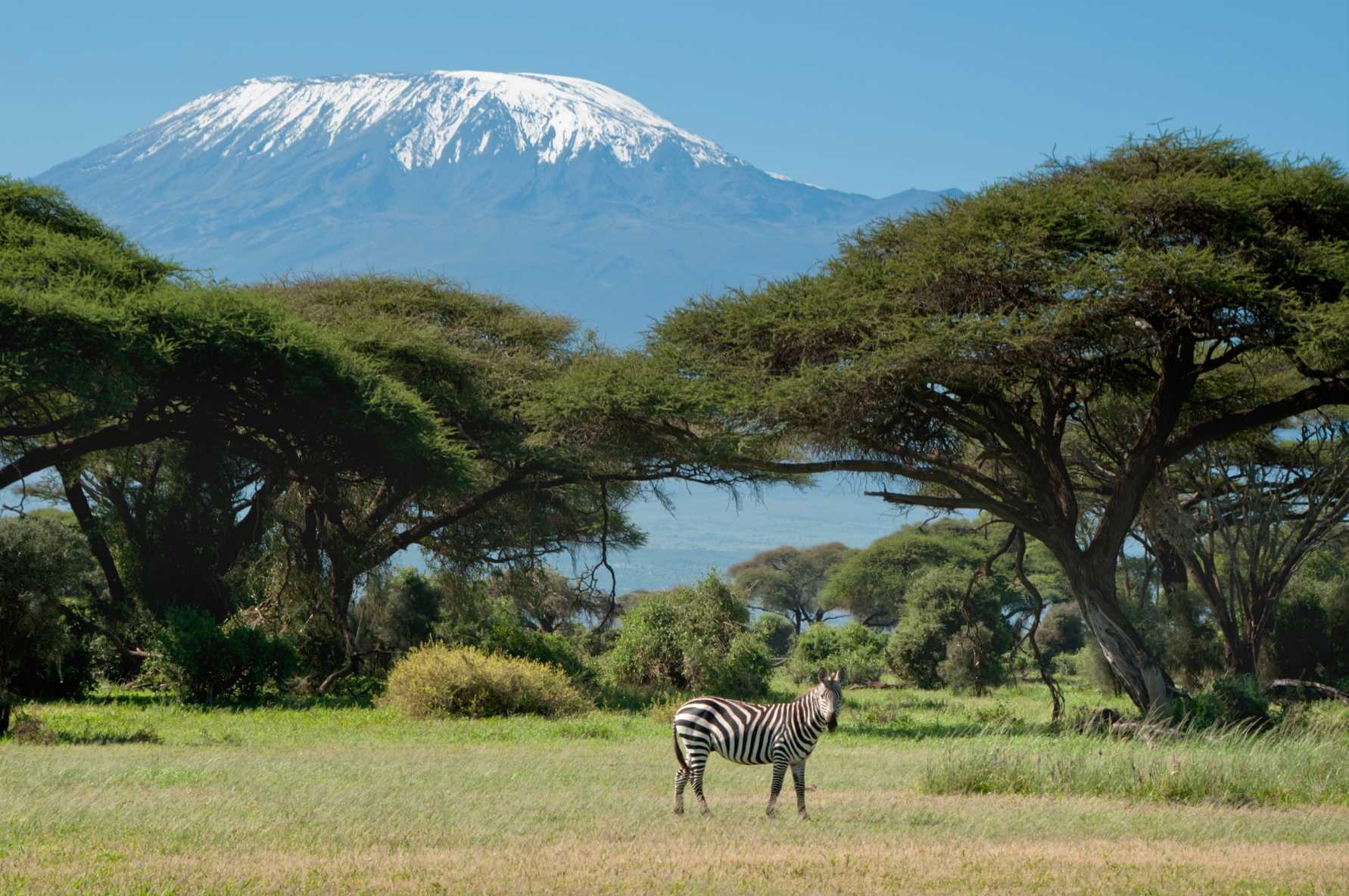
For travelers who have extended their trip, Amboseli National Park awaits — famous for its massive elephant herds and iconic views of Mount Kilimanjaro rising across the Tanzanian border.
Meals: Breakfast & Dinner | Stay: Hotel in Nairobi
Day 7: Departure — Until Kenya Calls You Back
Transfer to Jomo Kenyatta International Airport for your return flight to India. Most travelers returning to Kolkata, Delhi, or Mumbai catch flights that connect via Addis Ababa, Dubai, or Doha.
Meals: Breakfast
Package Pricing at a Glance
|
Detail |
Information |
|---|---|
|
Duration |
6 Nights / 7 Days |
|
Package Price |
₹1,89,000 per person |
|
Package Type |
Group Tour / Fixed Departure |
|
Meals |
All included (Breakfast, Lunch & Dinner daily) |
|
Safari Lodges |
Included |
|
Game Drives |
Included |
|
Transfers |
Included |
|
Park Fees |
Included |
BreakBag Tip: This package sells out fast, particularly for departures aligned with the Great Migration (July–October). Book at least 3–4 months in advance to secure your spot.
Why Kenya Is the Ultimate Safari Destination in 2026 {#why-kenya}
Africa's Safari Crown Belongs to Kenya
Of all the African countries offering wildlife safaris — South Africa, Tanzania, Botswana, Zambia, Zimbabwe — Kenya consistently ranks among the top two globally. The reasons are specific, convincing, and worth understanding before you book.
The Numbers Tell the Story
Kenya is home to more than 35,000 animal species, over 1,100 bird species, and around 50 protected national parks and reserves. The country's conservation efforts have resulted in growing populations of elephants, rhinos, and lions — a genuine success story in a continent where wildlife is under pressure. Kenya's tourism industry is one of Africa's most developed, meaning infrastructure — roads inside reserves, airstrips, lodge facilities, trained guides — is significantly better than in many competing destinations.
Accessibility from India
For Indian travelers, Kenya's geography is a significant advantage. Direct flights from Mumbai to Nairobi with Kenya Airways take approximately 5 hours and 45 minutes. From Kolkata, connecting flights via Addis Ababa or Dubai typically take 8–10 hours in total. Compare this to South Africa (10–14 hours from India) or Botswana (even longer), and Kenya's proximity becomes a practical advantage. Kenya also sits in a time zone that is only 2.5 hours behind Indian Standard Time — meaning minimal jet lag and more alert safari mornings.
The Kenya eVisa — Simple and Affordable
Kenya's online visa process is one of the smoothest in Africa for Indian passport holders. The Kenya eVisa costs approximately USD 50 for a single-entry tourist visa and is processed within 3–5 working days online. No embassy visit required. This ease of documentation has made Kenya significantly more accessible for Indian travelers compared to a decade ago.
The Great Migration — Nature's Greatest Show
No other wildlife destination on Earth offers anything comparable to the Great Wildebeest Migration — the annual movement of approximately 1.5 to 2 million wildebeest, zebra, and gazelle across the Serengeti-Masai Mara ecosystem. The most dramatic phase occurs between July and October, when the herds cross the Mara River into Kenya's Masai Mara. The river crossings — where massive crocodiles lurk and wildebeest plunge in by the thousands — are among the most cinematic wildlife events imaginable. Travelers who witness a river crossing describe it as genuinely life-changing.
Even outside migration season, the Masai Mara is productive for wildlife year-round, which is why Kenya remains a viable safari destination across all 12 months.
Value for Indian Travelers
A well-structured, all-inclusive Kenya safari package from India offers remarkable value compared to equivalent luxury travel in Europe or North America. For roughly the same budget as a 7-day European holiday, you get immersive wildlife encounters, comfortable safari lodges, expert guides, all meals, and memories that will outlast any city break.
Big Five Safari in Kenya — Lions, Elephants, Leopards & More {#big-five}
What Are the Big Five?
The term "Big Five" was originally coined by African big-game hunters to refer to the five animals considered most dangerous and difficult to hunt on foot: lion, leopard, elephant, African buffalo, and rhinoceros. Today, "Big Five" has been entirely reclaimed by the wildlife tourism industry, and spotting all five on a single safari is a cherished goal for wildlife travelers worldwide. Kenya is one of a small number of African countries where all five species can be reliably encountered in the wild.
Lion — The King of the Masai Mara
Kenya's Masai Mara has one of the densest lion populations in Africa, with multiple prides occupying established territories across the reserve. The famous Marsh Pride, resident in the Mara, was documented for years in the BBC's Big Cat Diary series. Lions are most active in the early morning and late afternoon — which is precisely when game drives operate. Unlike in some reserves where lion sightings are rare, in the Masai Mara, a good guide will typically locate lions on every game drive. They can be seen resting under acacia trees, actively hunting on the open plains, or tending to cubs.
Leopard — The Elusive Spotted Ghost
Of all the Big Five, the leopard is the most challenging to find — and therefore the most thrilling to encounter. These solitary cats are nocturnal hunters, spending their days resting in trees or thick bush. Their camouflage is extraordinary. The best areas for leopard sightings in Kenya are the Masai Mara (particularly the Talek River area) and Samburu National Reserve in northern Kenya. Samburu is home to the rare Somali subspecies and offers excellent leopard sightings for travelers adding a northern Kenya leg to their itinerary.
Elephant — Africa's Gentle Giants
Kenya's elephant population has recovered significantly over the past three decades, thanks largely to a government ban on ivory trading and strong conservation programs. The country now holds approximately 36,000 wild elephants. Amboseli National Park, with the iconic backdrop of Mount Kilimanjaro, is Africa's finest destination for elephant photography. The Amboseli elephant herds are among the most studied in the world and are remarkably relaxed around safari vehicles, allowing for incredibly close encounters.
African Buffalo — Unpredictable and Magnificent
The African buffalo is often the most overlooked of the Big Five, yet experienced safari-goers know it is one of the most impressive. Buffalos move in large herds — sometimes numbering in the hundreds — and have a reputation for unpredictability that has made them a legend among wildlife rangers. In the Masai Mara and Lake Nakuru, buffalo herds are commonly encountered on game drives, often accompanied by yellow-billed oxpeckers that ride on their backs, picking ticks from their hides.
Rhinoceros — A Conservation Success Story
Kenya's rhino story is one of Africa's great conservation achievements. After near-extinction in the 1980s due to poaching, Kenya's black and white rhino populations have rebounded through intensive protection programs at places like Lake Nakuru National Park, Ol Pejeta Conservancy, and Nairobi National Park. Seeing a rhino in the wild — particularly the massive, prehistoric-looking white rhino — is an emotionally moving experience. It's a reminder of what conservation effort can achieve.
Cheetah — The Speed Merchant of the Savannah
Though technically not part of the Big Five, the cheetah deserves its own mention. The Masai Mara is one of the best places in Africa to observe wild cheetahs, thanks to its open grassland terrain. Kenya has a healthy population of approximately 1,100 wild cheetahs — about 10% of Africa's total. If you're lucky, you might witness a cheetah hunt — a breathtaking sprint at speeds up to 112 km/h, resolved in a matter of seconds.
Birdwatching on a Kenya Safari — A Paradise for Bird Lovers {#birdwatching}
Kenya's Hidden Wildlife Superstar: Its Birds
Most people planza Kenya safari for the mammals. But Kenya's birding credentials are extraordinary — and for dedicated birdwatchers, Kenya ranks as one of the top five birding destinations in the entire world. With over 1,100 recorded bird species — compared to approximately 1,300 in all of Europe — Kenya's avian diversity is staggering. The country hosts everything from tiny waxbills to the towering ostrich, from the flamingo-pink shores of the Rift Valley lakes to the rare species found only in the forests of western Kenya.
Lake Nakuru — The Flamingo Lake
Lake Nakuru's most famous residents are its flamingos. At peak season, an estimated 1–2 million lesser flamingos gather on the lake's alkaline shores, turning the waterline a brilliant shade of pink that is visible from the surrounding escarpment. The sight of a million flamingos taking flight in a single, synchronized movement — a phenomenon described as a "flaming cloud" — is one of the most visually spectacular events in all of wildlife tourism. Beyond flamingos, Lake Nakuru hosts over 400 bird species, including the African fish eagle (Kenya's national bird), pelicans, cormorants, and numerous raptor species.
Masai Mara — Raptors and Grassland Specialists
The open grasslands of the Masai Mara are ideal habitat for an impressive array of raptors — martial eagles, bateleur eagles, secretary birds, and numerous vulture species. The vulture's unglamorous role as nature's cleanup crew makes it ecologically vital, and seeing four or five species gathered at a kill simultaneously is a fascinating experience. The Mara also hosts lilac-breasted rollers (considered one of Africa's most beautiful birds), superb starlings, red-and-yellow barbets, and the comically named go-away bird.
Lake Naivasha — Waterbird Wonderland
The freshwater Lake Naivasha, part of the Rift Valley lakes system, is a world-class waterbird destination. During a boat safari here, you might spot African jacanas walking on floating lily pads, great white pelicans gliding overhead, malachite kingfishers darting between reeds, and the spectacular African fish eagle launching from its perch to pluck a fish from the surface. Hippos are an ever-present presence in Naivasha — and a critical part of the lake's ecosystem, with their dung providing nutrients that feed the fish that feed the birds.
Best Birding Parks in Kenya
|
Park / Reserve |
Highlight Species |
|---|---|
|
Lake Nakuru |
Lesser flamingo, African fish eagle, pelican |
|
Lake Naivasha |
Jacana, malachite kingfisher, heron species |
|
Masai Mara |
Martial eagle, lilac-breasted roller, secretary bird |
|
Amboseli |
Bee-eaters, kingfishers, cisticolas |
|
Samburu |
Vulturine guineafowl, Somali ostrich, golden-breasted starling |
Practical Birding Advice for Kenya
Binoculars are essential — bring a good pair (8x42 magnification is ideal for safari birding). A field guide such as Birds of East Africa by Terry Stevenson and John Fanshawe is invaluable. Many serious birders hire a specialist birding guide for a half-day session within the Masai Mara or at Lake Nakuru — BreakBag Holidays can arrange this on request.
What's Included in Our All-Inclusive Kenya Safari Packages {#inclusions}
What Does "All-Inclusive" Actually Mean?
The term "all-inclusive" gets used loosely in the travel industry — so it's worth being precise about exactly what BreakBag Holidays' Kenya safari packages include. The answer is: almost everything. Here's the complete breakdown.
✅ Safari Lodges & Accommodation
All accommodation is included throughout the tour — from your first night hotel in Nairobi to your final morning before departure. In the Masai Mara, accommodation is at well-regarded safari lodges or camps situated on the reserve boundary, offering classic safari ambiance, comfortable bedding, and meals served in open-air dining areas.
Lodges in our packages are carefully selected for:
- Proximity to wildlife zones
- Quality of food and service
- Hygiene and safety standards
- Overall guest experience ratings
✅ All Meals
The package includes all meals throughout the tour:
- Day 1: Lunch & Dinner
- Days 2–6: Breakfast, Lunch & Dinner
- Day 7: Breakfast
This is a significant value inclusion. Dining inside safari reserves is expensive when purchased separately — meal costs at Masai Mara lodges can run to $40–$60 USD per meal per person. Having all meals pre-included eliminates this variable cost entirely.
✅ Game Drives
All game drives are included — typically an evening game drive on arrival in the Mara, followed by a full-day game drive the following day. Game drives are conducted in 4WD safari vehicles with pop-up roofs for photography, accommodating 6–7 passengers per vehicle. Each vehicle is led by an experienced, licensed safari guide — typically Kenyan, with deep knowledge of animal behavior, tracking, and reserve geography.
✅ All Transfers
Airport pickup and drop-off, all inter-destination road transfers (Nairobi → Naivasha → Masai Mara → Nairobi), and hotel transfers are all included. You never need to arrange transport independently.
✅ National Park Entry Fees
Kenya's national park fees are significant — the Masai Mara charges approximately USD 200 per adult per day for non-residents (though Indian travelers often fall under a different category). All park entry fees across every destination in the package are fully included in your package price. This is one of the most important inclusions to verify when comparing Kenya safari packages — some operators quote a lower headline price and then add park fees later. BreakBag Holidays' pricing is transparent and all-inclusive.
✅ Lake Naivasha Boat Safari
The boat ride on Lake Naivasha — a magical 1.5-hour experience among hippos and waterbirds — is fully included.
✅ Professional Tour Leader
A BreakBag Holidays tour leader accompanies the group throughout the trip, providing local expertise, coordination with lodges and guides, assistance with any issues, and ensuring the smooth running of the itinerary.
What Is Not Included
For complete transparency, the following are typically not included:
- International flights (Kolkata/India to Nairobi and return)
- Kenya eVisa fee (USD 50 per person, applied online)
- Travel insurance (strongly recommended)
- Personal expenses, tips, and gratuities
- Optional activities not listed in the itinerary (hot air balloon safari, Maasai village visits, etc.)
- Alcoholic and premium beverages
Optional Add-Ons Available Through BreakBag Holidays
- Hot Air Balloon Safari over the Masai Mara: Approximately USD 450–550 per person. The aerial perspective of the Mara at sunrise is extraordinary — herds of wildebeest and zebra visible from 300 metres above the plains.
- Maasai Village Cultural Visit: Meet and interact with a traditional Maasai community, observe their dances, crafts, and way of life.
- Nairobi National Park Game Drive: A 3–4 hour morning drive in the park adjacent to Kenya's capital — genuinely productive for lion, giraffe, and rhino sightings.
- David Sheldrick Elephant Orphanage Visit: An emotionally powerful experience, particularly for families and animal lovers.
Book Your Dream Kenya Safari for 2026 — Limited Seats Available {#book-now}
Why 2026 Is the Right Year to Visit Kenya
Wildlife tourism in Kenya rebounded strongly post-2022, and 2026 is shaping up to be one of the busiest years on record for Indian visitors to the country.
Several factors are driving this:
- Increased Flight Connectivity: More connecting options from Indian cities via Ethiopian Airlines, Kenya Airways, Emirates, and Qatar Airways have made Nairobi more accessible than ever.
- The 2026 Great Migration Cycle: The wildebeest migration follows a predictable annual cycle. The 2026 river crossings in the Masai Mara are expected between July and October — and tour departures aligned with this window are already seeing strong demand.
Growing Indian Appetite for African Safari: Kenya has overtaken traditional European beach destinations for many Indian families and couples seeking something genuinely different and memorable.
BreakBag Holidays' Kenya Group Tour Fixed Departures for 2026
BreakBag Holidays offers fixed group departures for Kenya throughout 2026, with departures particularly strong in:
- 16 October, 2026: Post-migration, incredible predator activity
Group sizes are deliberately kept small — ensuring a personalized experience and that game drive vehicles aren't overcrowded.
Why Book Through BreakBag Holidays?
BreakBag Holidays is one of India's most trusted names in Kenya tourism, with a track record of delivering seamless safari experiences for Indian travelers. Here's what sets us apart:
- Specialist Kenya Knowledge: We know Kenya's parks, lodges, and seasonal patterns intimately — because we've been there, repeatedly.
- Indian Traveler Focus: Our packages are designed with Indian preferences in mind — meal options, group dynamics, cultural comfort, and budgeting.
- Transparent Pricing: What you see is what you pay. Park fees, meals, game drives — all included, no hidden extras.
- Expert In-Destination Support: A tour leader accompanies every group. You're never navigating Kenya alone.
- Customization Available: Can't travel on a fixed departure date? We build private and customized Kenya itineraries for individuals, couples, families, and corporate groups.
How to Book Your Kenya Safari with BreakBag Holidays
Booking is straightforward:
- Enquire: Contact BreakBag Holidays via phone (+91-7699002674), email (support@breakbag.com), or the enquiry form on our website.
- Consultation: Our Kenya specialist will walk you through dates, availability, pricing, and customization options.
- Confirmation: Confirm your spot with a booking deposit.
- Pre-Trip Briefing: Receive a complete pre-departure information pack — packing list, visa guidance, health advice, and what to expect.
- Travel: Show up at the airport. We handle everything from there.
"In the end, we will conserve only what we love; we will love only what we understand; and we will understand only what we are taught."
Similar Destination
6-Day Kenya Group Safari Tour & Game Drives
1N Nairobi · 1N Naivasha · 2N Masai Mara · 1N Nairobi

Kenya Wildlife Group Tour: 7-Day Masai Mara Safari
1N Nairobi · 1N Naivasha · 2N Masai Mara · 2N Nairobi
Looking for a hassle free trip?
Connect with our experts! Get the best Itineraries and Offers!