


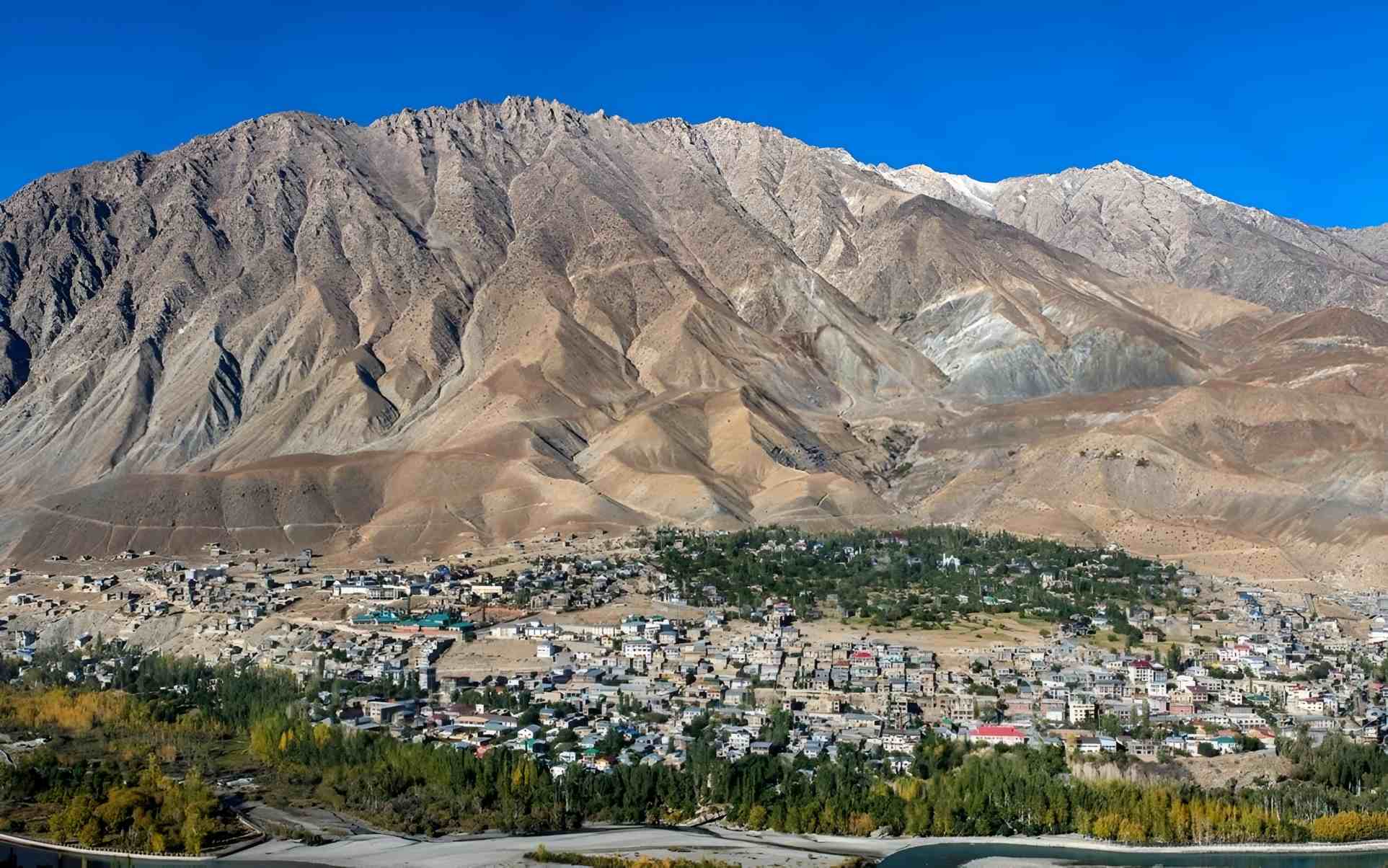
Kargil to Hunderman Day Trip Itinerary: A Raw Border Tourism Experience in Ladakh
By the BreakBag Travel TeamLadakh is often imagined through the lens of monasteries, high passes, blue lakes, and dramatic Himalayan landscapes. But beyond Pangong, Nubra, and Leh lies a deeply moving, lesser-known journey — a Kargil to Hunderman day trip that takes you into the heart of border tourism in Ladakh. This is not just another sightseeing route; it is a story of identity, separation, survival, and resilience.
The road from Kargil to Hunderman village is short in distance, yet emotionally vast. As you travel along the Indus Valley towards one of India’s last villages near the Pakistan border, the scenery shifts from tourist-friendly Ladakh to a silent frontier where time feels paused. This journey is less about ticking destinations and more about understanding the reality of life along India’s border.
For travellers seeking offbeat Ladakh travel experiences, cultural tourism in Ladakh, and heritage village exploration, the Hunderman border tourism circuit stands out as one of the most powerful day trips you can take.
Understanding Border Tourism in Ladakh
Border tourism in Ladakh is gradually emerging as one of the most meaningful and experience-driven travel segments in the Himalayas. Unlike mainstream Ladakh tourism focused on Pangong Lake, Nubra Valley, Khardung La, and Leh monasteries, border tourism introduces travelers to the real, lived geography of the region — where culture, conflict, history, and identity intersect. Destinations like Turtuk village, Dah Hanu, Tyakshi, and the Kargil border belt have slowly entered the travel narrative, but Hunderman village still remains one of the most untouched and emotionally powerful heritage destinations in Ladakh. For travelers searching for offbeat Ladakh travel experiences, hidden villages in Ladakh, cultural tourism circuits, and authentic Himalayan border life, Hunderman offers unmatched depth.
Border tourism is not about war curiosity or conflict voyeurism; it is about understanding life at the edges of nations, where boundaries drawn on maps shape everyday realities. In Ladakh’s border villages, mobility is limited, infrastructure evolves slowly, and the presence of armed forces is part of daily life. Yet, despite these constraints, communities in places like Hunderman village, Turtuk, and Kargil border settlements continue to preserve Balti culture, traditional Ladakhi lifestyle, oral history, and strong community bonds. This is what makes border tourism in Ladakh a form of experiential travel — rooted in human connection rather than sightseeing alone.
Hunderman, located near the Line of Control in the Kargil region, represents one of the most compelling examples of border heritage tourism in India. Once part of Baltistan, the village witnessed identity shifts after partition and later Indo-Pak conflicts. Families were divided, migration patterns changed, and cultural narratives evolved. Today, Hunderman heritage village stands as a living archive of border history, displacement stories, and resilience. Travelers exploring Kargil to Hunderman day trips, Ladakh cultural tours, and Indo-Pak border tourism circuits often describe the experience as deeply reflective rather than recreational.
As Ladakh tourism matures, there is a visible shift toward meaningful travel experiences — heritage villages, rural Ladakh life, community tourism, and storytelling-based itineraries. Travelers no longer want only landscapes; they want narratives. Border tourism responds directly to this intent. It connects visitors with local Balti communities, traditional architecture, Himalayan survival lifestyles, and untold stories of border settlements. Keywords like offbeat Ladakh villages, Kargil travel experiences, border tourism in India, heritage tourism in Ladakh, and cultural immersion tours increasingly define new search behavior among conscious travelers.
For photographers, researchers, slow travelers, and cultural explorers, border tourism in Ladakh opens doors to raw documentation — abandoned stone houses, preserved war memories, museum artifacts, and real conversations with residents who have lived through historical transitions. This aligns strongly with rising interest in Ladakh photography tours, documentary travel, experiential tourism, and heritage storytelling journeys.
Moreover, Hunderman’s appeal lies in its authenticity. Unlike commercial destinations, it has not been heavily modified for tourism infrastructure. The experience remains intimate, reflective, and educational. Visitors walk through narrow stone pathways, observe Balti architecture, explore the Hunderman heritage museum, and engage with locals whose lives reflect both struggle and continuity. This positions Hunderman as one of the most significant offbeat travel destinations in Ladakh for travelers seeking cultural depth, border narratives, and historical awareness.
Border tourism in Ladakh also plays an important role in sustainable tourism development. By promoting lesser-known villages like Hunderman, Turtuk, and Dah Hanu, travel flows get distributed beyond overcrowded routes. This supports local economies, preserves indigenous heritage, and builds responsible tourism practices in fragile Himalayan regions. Keywords like sustainable Ladakh tourism, community-based travel, rural tourism in Kargil, and heritage village exploration are increasingly associated with these experiences.
For modern travelers, especially those planning Ladakh offbeat itineraries, Kargil region exploration, and cultural travel circuits, border tourism offers something profoundly different — perspective. It shifts the focus from landscapes to lives, from attractions to understanding, and from travel consumption to travel connection. In Hunderman, border tourism is not just a category; it is a lived narrative of resilience, memory, identity, and belonging — making it one of the most meaningful journeys in Ladakh today.
Starting the Journey: Morning in Kargil
The Kargil to Hunderman day trip usually begins early in the morning. Kargil itself carries a layered identity — a town shaped by trade routes, culture, and conflict. Known widely because of the Kargil War, it also serves as the gateway to some of Ladakh’s most unexplored villages.
As you leave Kargil town behind, the urban buzz fades into silence. The road follows the Indus River, weaving through barren mountains and scattered settlements. Unlike the tourist routes of Leh to Nubra or Pangong, this stretch feels raw and untouched — a reminder that Ladakh is more than just scenic landscapes; it is a lived geography of history and human resilience.
The drive from Kargil to Hunderman is approximately 15–20 kilometers, making it perfect for a day trip itinerary. However, what makes it extraordinary is not the distance but the depth of experience it offers
The Route: Indus Valley and Border Landscapes
The Kargil to Hunderman road is one of the most unique travel routes in Ladakh. The mountains appear rougher, settlements more guarded, and the atmosphere distinctly different. This is border tourism in its truest sense — where geography and politics meet everyday life.
As you approach Hunderman, you will notice abandoned houses clinging to the hillsides. Stone structures stand silently, many left untouched since the Indo-Pak conflicts. These ruins are not staged attractions; they are real remnants of displacement and separation.
Travelers interested in Ladakh heritage tourism, Indo-Pak border villages, and Kargil region exploration will find this stretch deeply compelling.
Arrival at Hunderman: India’s Last Village Near Pakistan
Hunderman village is often described as one of the last inhabited settlements near the Line of Control. It is located just a few kilometers from the India-Pakistan border, making it one of the most significant sites for border tourism in Ladakh.
The moment you step into Hunderman Heritage Village, you feel the weight of history. The narrow lanes, stone houses, and terraced structures reflect Balti architecture and culture. Unlike the popular monasteries of Ladakh, Hunderman offers a completely different cultural narrative — one shaped by migration, war, and identity.
This village was once part of Baltistan before borders shifted after 1947 and later conflicts. Families were divided, communities separated, and traditions reshaped. Today, Hunderman stands as a living museum of that transformation.
The Hunderman Heritage Museum: Preserving Stories
One of the most important stops in the Kargil to Hunderman itinerary is the Hunderman Museum. This small yet powerful museum documents the history of the region through photographs, artifacts, and personal belongings left behind during displacement.
Old letters, utensils, clothing, and documents narrate stories of families who suddenly found themselves on different sides of the border. The museum is not just about history — it is about memory.
For travelers exploring cultural Ladakh tours, heritage tourism in Kargil, and Indo-Pak border history, this museum becomes the emotional core of the day trip.
Life in Hunderman Village: Culture and Community
Hunderman is home to Balti culture, language, and traditions. The architecture reflects stone-built houses designed for harsh winters, while daily life revolves around agriculture, livestock, and seasonal rhythms.
The locals are warm and welcoming, often sharing stories about the village’s past. Conversations here move beyond tourism; they become exchanges of memory and perspective.
For those exploring Ladakh cultural tourism, Balti heritage villages, and rural Ladakh experiences, Hunderman offers rare authenticity.
Photography Opportunities: Raw and Real
For photographers, the Kargil to Hunderman day trip is a visual goldmine. Unlike Pangong’s dramatic beauty, Hunderman offers textured storytelling through ruins, landscapes, and human expressions.
Key photography highlights include:
-
Abandoned stone homes
-
Terraced hillsides overlooking the Indus
-
Military roads and border viewpoints
-
Cultural portraits of villagers
-
Hunderman Heritage Museum interiors
Travelers planning Ladakh photography tours, heritage photography trips, and offbeat photo expeditions often prioritize this location.
Comparing Hunderman with Turtuk
Border tourism in Ladakh often leads travelers to compare Turtuk and Hunderman. While Turtuk is more developed with homestays and tourism infrastructure, Hunderman remains quieter and more introspective.
Turtuk showcases living Balti culture with tourism support, whereas Hunderman feels like stepping into preserved history. Both destinations complement each other within a Ladakh itinerary.
Travel planners designing Kargil region tours, Ladakh village circuits, and cultural Ladakh itineraries often include both for a complete border tourism experience.
Best Time to Visit Hunderman Village
The best time for a Kargil to Hunderman trip is between May and September. During these months:
-
Roads remain accessible
-
Weather stays comfortable
-
Photography conditions are ideal
-
Cultural interactions are easier
Winter travel is possible but challenging due to extreme weather and road conditions.
Travel Tips for Hunderman Day Trip
-
Carry identification due to proximity to the border.
-
Respect local culture and avoid intrusive photography.
-
Engage with locals respectfully — storytelling is part of the experience.
-
Combine the trip with Kargil sightseeing for a fuller itinerary.
-
Travel with a knowledgeable guide for deeper insights into border history.
Emotional Takeaway: A Journey Beyond Tourism
Standing in Hunderman, overlooking the mountains that mark a political boundary, travelers often experience silence — not emptiness, but reflection. The abandoned houses, preserved memories, and resilient community tell stories beyond guidebooks.
This is what makes the Kargil to Hunderman border tourism experience unique. It is not just about seeing a place; it is about feeling its history.
Travelers return from this journey with more than photographs — they return with understanding.
The Kargil to Hunderman day trip is not a typical Ladakh excursion. It does not promise adrenaline, luxury, or postcard landscapes. Instead, it offers something far more valuable — perspective.
It reminds travelers that Ladakh is not just a destination but a living region shaped by geography, politics, and resilience. Border tourism here becomes an educational journey, emotional encounter, and cultural immersion all at once.
For travelers planning Ladakh offbeat tours, Kargil region travel, heritage village exploration, and border tourism experiences, this itinerary becomes unforgettable.
“Some journeys show you landscapes. Border journeys like Hunderman show you humanity beyond the map.”
As Ladakh tourism evolves, destinations like Hunderman are redefining what meaningful travel looks like. They shift focus from crowded attractions to lived histories, from landscapes to human narratives.
The Kargil to Hunderman day trip stands as one of the most impactful offbeat Ladakh experiences. It combines border tourism, cultural storytelling, heritage exploration, and rural life into a single journey.
For those planning Ladakh tours beyond the usual circuit, this route offers depth, authenticity, and emotional connection.
Hunderman is not just a village near the border. It is a reminder that travel can educate, transform, and connect — if we choose to look beyond the obvious.
Looking for a hassle free trip?
Connect with our experts! Get the best Itineraries and Offers!