The first time I stood at the edge of the Kisama grounds, a log drum was being struck somewhere behind the morungs, and the sound travelled through the hills the way thunder does — slow, wide, and impossible to ignore. That is the thing nobody tells you about the Hornbill festival. You do not simply watch it. You feel it arriving before you see anything at all.
And yet, if I had to name the single moment that stayed with me longest from that trip, it would not be the festival at all. It would be the morning after, walking up the stone steps of Khonoma with mist sitting in the terraced fields below, a village so quiet you could hear the water moving through the paddy channels. That contrast — the roar of Hornbill 2026 and the hush of Asia’s first green village — is exactly what this itinerary is built around.
So if you are searching for Packages for Hornbill festival that give you more than a two-day dash to the arena and back, this guide is for you. At BreakBag Holidays, we have been designing Northeast journeys since 2015, and our two Hornbill Tour packages are shaped by one simple belief: Nagaland deserves five days, not two.
Hornbill Festival 2026: Why Nagaland’s Festival of Festivals Deserves Five Days, Not Two
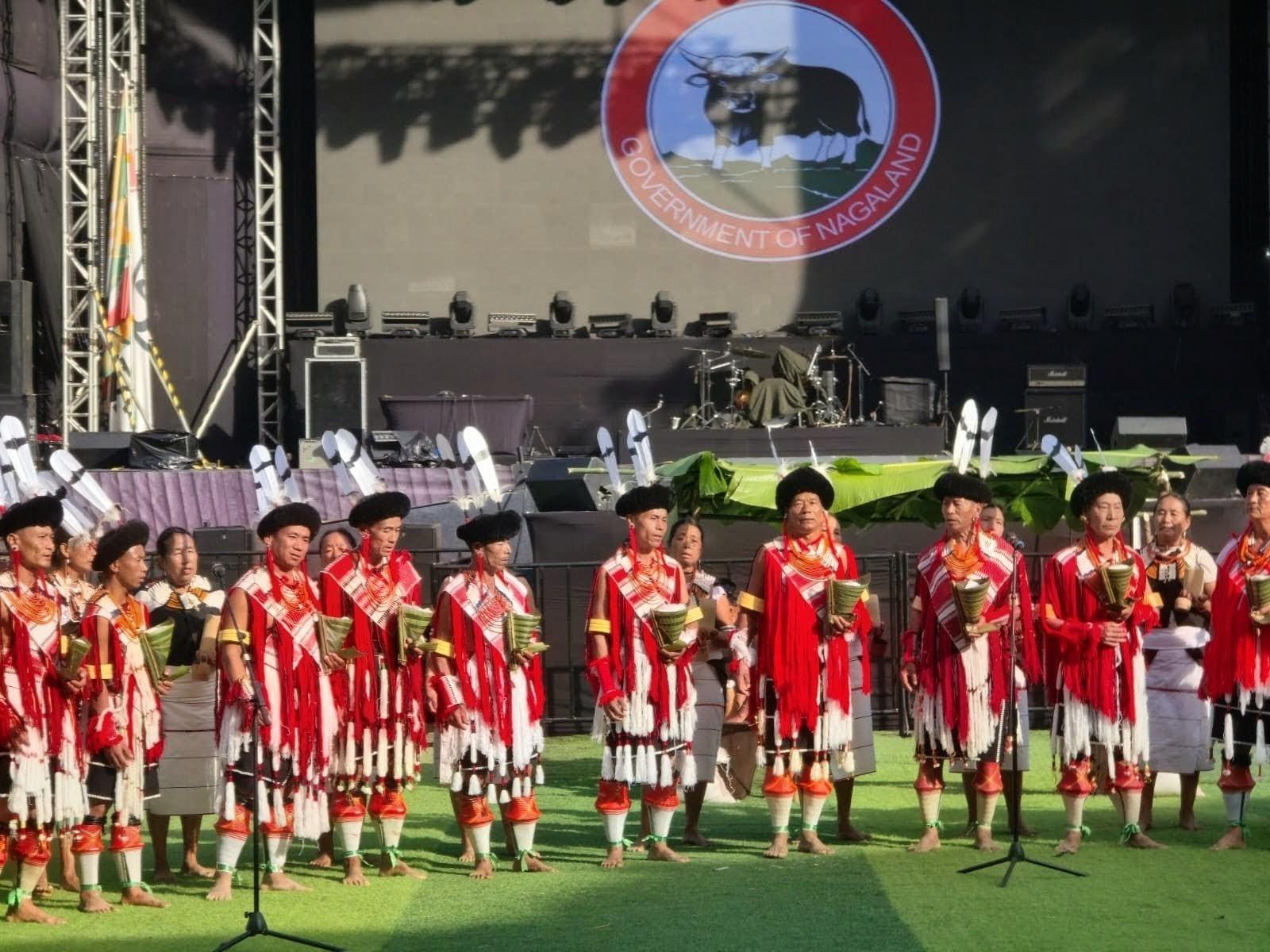
The Hornbill festival 2026 is not a single show with a start and end time. It is seventeen-odd tribes gathering at one heritage site, each with their own morung, their own dress, their own songs, their own rice beer, their own way of cooking pork. Held every December near Kohima, it is called the Festival of Festivals for good reason — it is a festival made of other festivals.
Here is where most travellers go wrong. They fly in for the opening day, spend eight hours at the arena, take a hundred photographs, and fly out. They see the performance and miss the place. The morning cultural events, the afternoon indigenous games, the Naga wrestling, the evening music — these unfold across different days, and no single day contains all of it.
Five days changes the arithmetic completely:
• Two or three separate festival visits, so you catch the morning programmes and the evening cultural showcases.
• Time for the villages — Khonoma Village, Dzulikie Village, Kigwema — which are the living version of what the festival displays.
• A proper day for Kohima Places to visit, including the War Cemetery, which deserves more than a rushed thirty minutes.
• Room to acclimatise. Nagaland in December is cold, hilly and slow-moving. Rushing it is a waste.
This is why both our Hornbill Festival Packages are structured as 4 Nights / 5 Days from Dimapur. It is the shortest window in which Nagaland actually opens up to you.
Khonoma Village: Asia’s First Green Village and Why It Belongs in Your Hornbill Itinerary
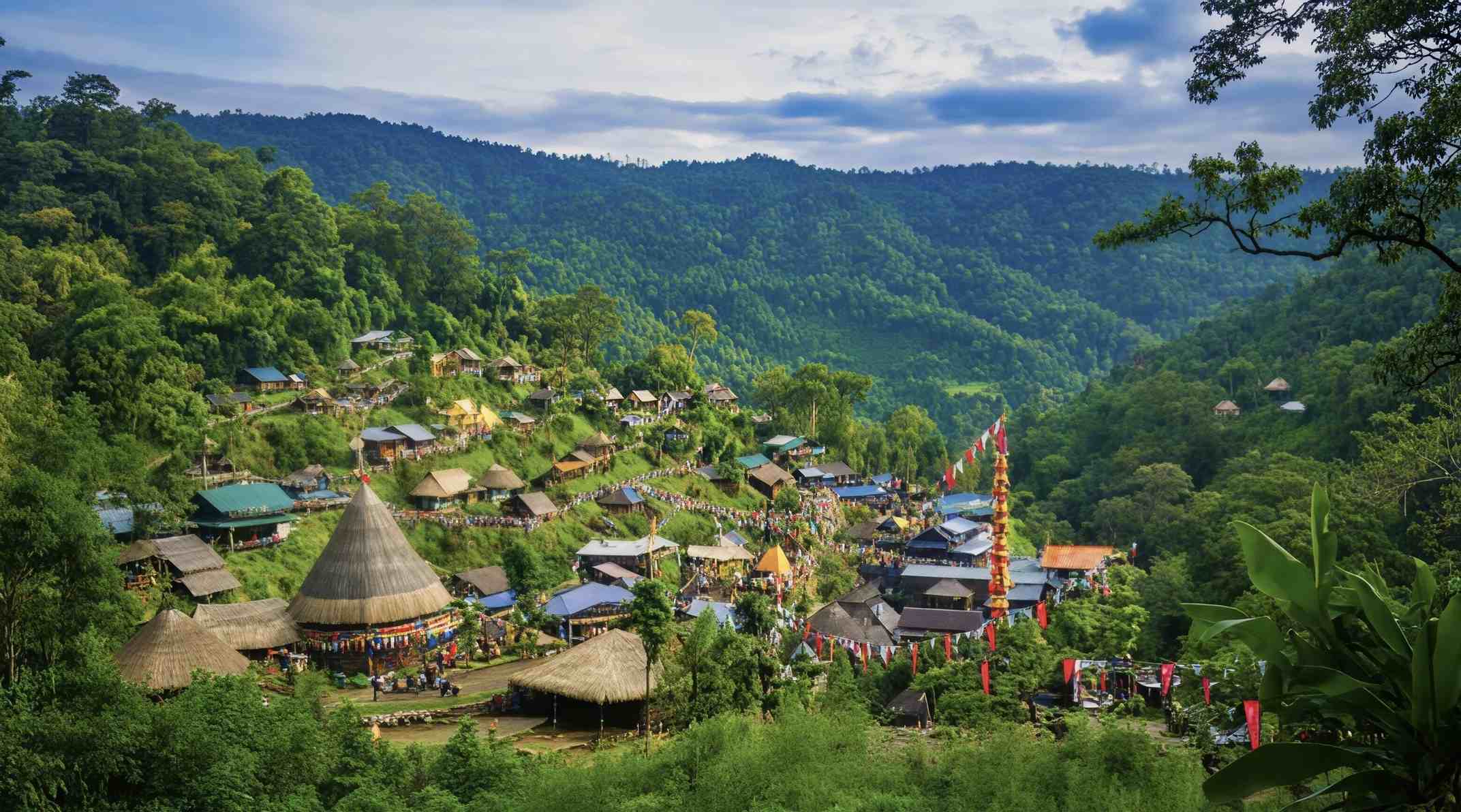
About twenty kilometres west of Kohima, Khonoma sits on a ridge above terraced fields that have been farmed by the Angami people for centuries. It is famous as Asia’s first green village, and that title was earned rather than awarded. In the late 1990s, the community banned hunting and logging across a large conservation area, protecting the Blyth’s tragopan and the forests around it. A village that once resisted the British in a celebrated siege chose, a century later, to fight a quieter battle for its own hills.
Walking Khonoma is a slow business, and it should be. Stone pathways run between houses. Old fort walls carry the memory of resistance. The alder-based terrace farming system — where trees are pollarded to enrich the soil rather than cleared — is one of the most sophisticated indigenous agricultural practices in India, and the villagers will explain it far better than any guidebook.
Why does it belong in a festival itinerary? Because Kisama shows you Naga culture arranged for an audience, and Khonoma shows you Naga culture simply living. One without the other gives you half the picture. Both our Hornbill Packages include a full Khonoma day with local guides and a village lunch, and I would argue it is the most quietly memorable day of the trip.
Kisama Village Explained: Inside the Naga Heritage Village Where Hornbill Festival Happens
Kisama Village — the Naga Heritage Village — sits roughly twelve kilometres from Kohima, and it is the permanent home of the Hornbill festival. The name itself is a joining of two neighbouring villages, Kigwema and Phesama, whose land the site occupies.
The layout is deliberate and worth understanding before you arrive. Ranged around a central amphitheatre are the morungs — traditional bachelor dormitories — one for each major Naga tribe. Angami, Ao, Sumi, Lotha, Konyak, Chakhesang, Zeliang, Rengma and the rest each maintain their own structure, built in their own architectural idiom, with their own carvings and log drums.
Practically, this means you should plan your day around the space, not just the stage:
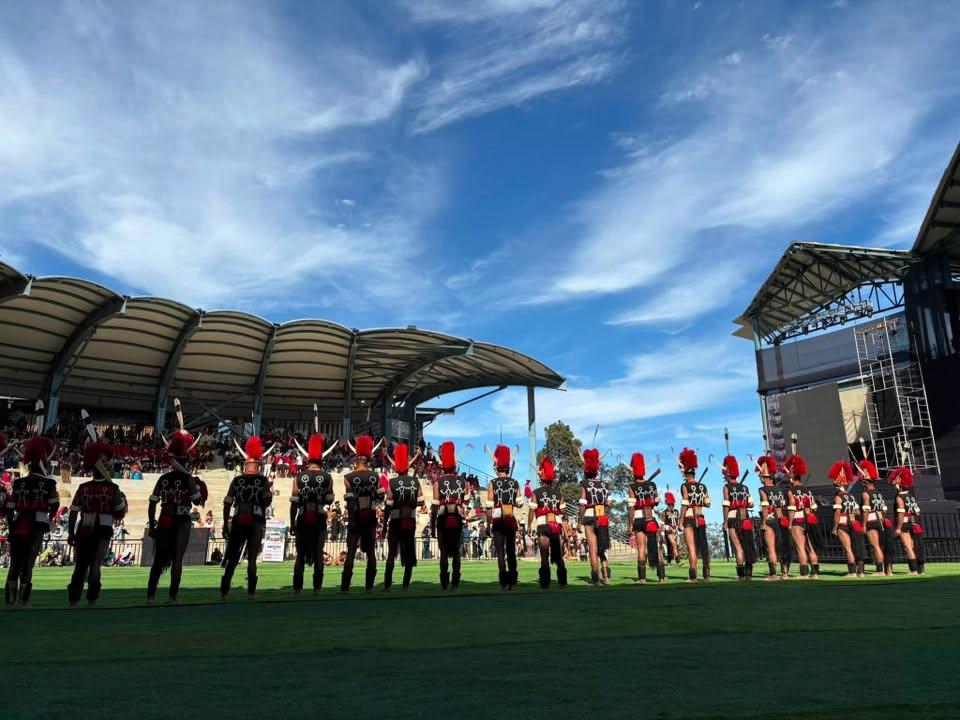
• Mornings are for the amphitheatre — tribal dances, folk songs, and the formal cultural programme.
• Middays belong to the morungs. Walk from one to the next, eat what is being cooked, ask questions. This is where the real conversations happen.
• Afternoons bring the indigenous games, Naga wrestling and the chilli-eating contest, which is exactly as brutal as it sounds.
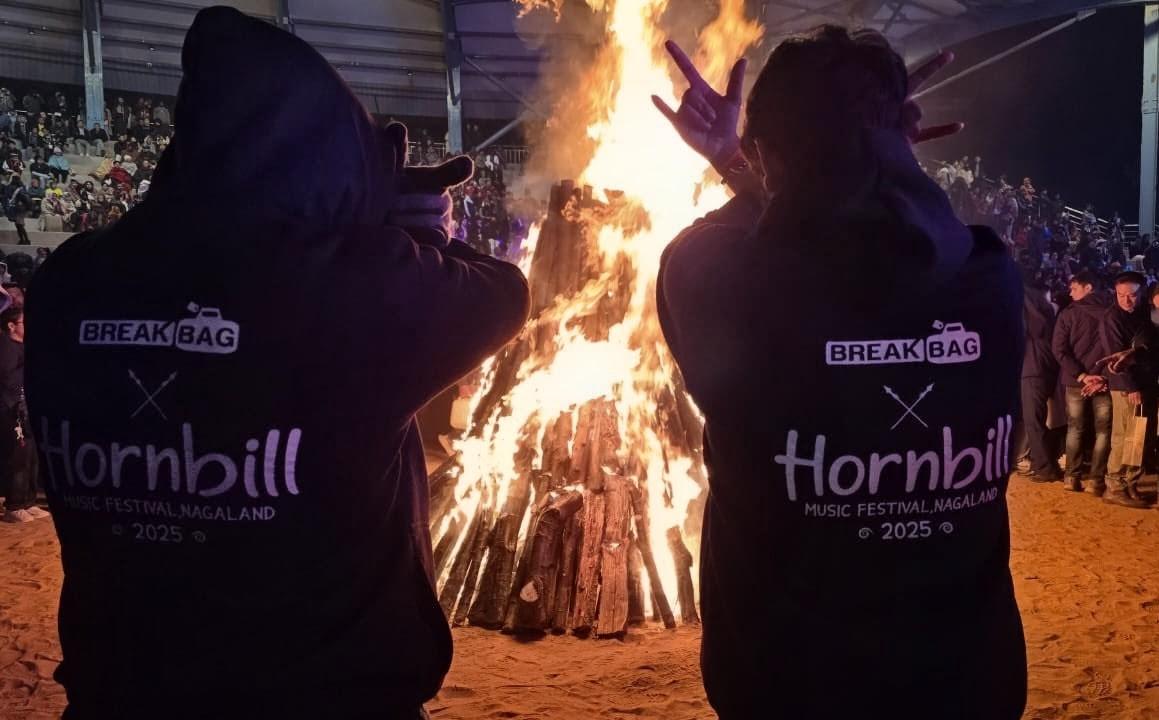
• Evenings turn musical, with the Hornbill Music Festival drawing a very different, younger crowd.
One planning note that saves real frustration: festival entry passes are not part of any tour package price, ours included. They are purchased separately on-site or through the official channels, and you should budget for them per festival day.
The Perfect 4N/5D Hornbill Festival Itinerary — Day by Day from Dimapur to Kigwema
This is the flow of our Hornbill Festival Tour Package – Opening Ceremony. The Closing Ceremony package covers the same ground with the village days reordered around the closing celebrations.
Day 1 - Dimapur to Kigwema | Journey into Nagaland's Festival Heartland
Transfer: Scenic transfer from Dimapur Airport towards Kigwema heritage village included comfortably today.
Activity: Enjoy evening Hornbill Festival celebrations and authentic Naga cultural performances beautifully.
Day 2 - Kigwema Village Excursion | Dzulikie Village | Evening Festival Ground
Transfer: Comfortable village transfers towards Dzulikie and Hornbill Festival grounds included today.
Activity: Experience traditional villages, scenic landscapes, and evening tribal festival performances beautifully.
Day 3 - Hornbill Festival Closing Ceremony | Cultural Celebrations
Transfer: Local transfers towards Kisama Heritage Village festival grounds included throughout today.
Activity: Witness Hornbill Festival closing ceremony with dances, music, crafts, and cultural showcases.
Day 4 - Khonoma Village Excursion | Kohima War Cemetery
Transfer: Scenic transfer towards Khonoma village and Kohima sightseeing attractions included completely.
Activity: Explore green village landscapes, tribal culture, and historic war memorial experiences today.
Day 5 - Departure from Nagaland | Transfer to Dimapur Airport
Transfer: Comfortable transfer from Kigwema homestay towards Dimapur Airport included today completely.
Activity: Enjoy final scenic mountain landscapes before concluding memorable Nagaland cultural holiday peacefully.
Kohima Places to Visit Around Your Festival Days: War Cemetery, Local Markets and Hilltop Views
Kohima is not a stopover town. It is a state capital built across a ridge, and if you are listing Kohima Places to visit, start with the one that will stay with you longest.
Kohima War Cemetery commemorates the Allied soldiers who died in the 1944 Battle of Kohima — fighting that reached, famously, the tennis court of the Deputy Commissioner’s bungalow. The cemetery is terraced into the hillside in neat rows, immaculately kept, and the inscription at its base is one of the most quoted war memorials anywhere in the world. Go slowly. Read the ages on the stones.
Beyond it, worth your time:
• Kohima Local Market — chaotic, fascinating, and not for the squeamish. Bamboo shoot, axone, smoked meats, foraged greens, king chillies.
• Nagaland State Museum — tribal artefacts, ceremonial dress and ornaments, and the clearest overview of Naga tribal diversity you will find in one room.
• Kohima Cathedral — one of the largest cathedrals in Northeast India, built partly with Japanese contributions in a gesture of reconciliation, with a striking Naga-influenced design.
• Hilltop viewpoints around the ridge, best in the early morning when cloud sits in the valleys below.
Homestay in Nagaland: Why Kigwema Is the Nearest Homestay From Hornbill Festival Grounds
Here is the logistical fact that quietly determines how much you enjoy this trip. Kisama sits on land belonging to Kigwema and Phesama villages. Kigwema is, in the most literal sense, the Nearest Homestay from Hornbill Festival grounds you can book — a short drive rather than a long one.
During festival week, Kohima’s hotels fill months ahead, rates climb steeply, and the road between town and Kisama becomes a slow-moving queue every morning and every evening. Travellers staying in Kohima routinely lose two hours a day to that road. Staying in Kigwema removes the problem.
But proximity is only half of it. A Homestay in Nagaland is a genuinely different form of accommodation. You eat what the family eats — smoked pork, bamboo shoot, foraged greens, sticky rice. You sit around a fire in the evening. You hear the family’s own stories about the festival, about the village, about how things have changed. Choosing a Homestay during hornbill festival is not a compromise on comfort; it is the reason the trip feels like Nagaland rather than a conference.
A fair word of warning, because we would rather set expectations than apologise later: these are remote hill properties. Hot water may be limited, Wi-Fi is unreliable, and electricity can be intermittent. Pack accordingly. A Homestay in Hornbill Festival week is warm, generous and authentic — not a five-star hotel, and much better for it.
What’s Inside BreakBag’s Hornbill Festival Packages — Inclusions, Costing and Trip Calendar
Both of our Hornbill Festival Packages run 4 Nights / 5 Days and are priced at ₹24,999 per person on double sharing, reduced from ₹35,000. Here is exactly what that covers.
Inclusions
04 nights stay at selected homestay option or similar in Kigwema.
Daily breakfast, except on Day 1.
Daily Dinner, except on Day 5.
Lunch on Day 3 at Khonoma village.
Airport / Hotel / Airport transfers on Sharing basis.
Sightseeing as per itinerary on Sharing basis.
Festival venue transfers and sightseeing as per itinerary.
Local guides for Khonoma and heritage walks.
Exclusions — read this part properly
Anything not specifically mentioned in the inclusions.
GST, All Flight Services or train tickets from the starting point.
Meals not mentioned in the itinerary.
Entrance Tickets, Inner line Permit and Parking charges.
Camera fees at sites where applicable.
Any food or beverage charges not included in the package.
Additional costs due to natural calamities like landslides, roadblocks, political disturbances, etc.
Price increases in transport or services before departure, payable by the client.
Festival entry passes, if attending, are not included in the package price.
Opening Ceremony vs Closing Ceremony: Choosing Between Our Two Hornbill Tour Packages
This is the question we are asked most often, and there is no universally correct answer — only the one that fits you.
Choose the Opening Ceremony package if…
You want the spectacle at full volume. The Opening Ceremony package puts you at Kisama for the inaugural day, when every tribe is present, the ceremonial energy peaks, and the arena is at its most photogenic. It is the version of the Hornbill festival you have seen in photographs. Crowds are heaviest, and that is precisely the point.
Choose the Closing Ceremony package if…
You would rather trade some scale for some breathing room. The Closing Ceremony package brings you in as the festival matures. Performers are relaxed into their rhythm, the crowd has thinned slightly, the closing celebrations carry a warm, valedictory feeling, and December weather is at its crispest and clearest. On this route, Dzulikie falls on Day 2 and Khonoma with the War Cemetery on Day 4 — same experiences, different sequence.
Same duration, same price, same homestay base. Only the rhythm differs. If you are still undecided, our AI Trip Planner will map both against your dates in a couple of minutes.
How to Reach Kigwema, Kisama and Khonoma: Flights, Permits and Ground Logistics
Getting there
By air: Dimapur Airport is the only commercial airport in Nagaland, connected to Kolkata, Guwahati and Delhi. Kigwema is roughly 75 kilometres away, about three to four hours by road. Book departures after 5 PM.
By rail: Dimapur Railway Station sits on the main Northeast line, with connections from Guwahati and Kolkata, then the same onward drive.
On the ground: Kigwema to Kisama is a short hop. Khonoma is roughly 20 km beyond Kohima; Dzulikie is a comparable forest drive. All internal transfers are included in our Packages for Hornbill.
The Inner Line Permit — do not skip this
Every Indian citizen who is not a resident of Nagaland requires an Inner Line Permit to enter the state. Apply online through the official Nagaland ILP portal or obtain one at Dimapur on arrival. Foreign nationals must instead register with the local Foreigners Registration Office. The permit is not included in any package price, so arrange it in advance — December is the worst possible month to be queueing for paperwork.
What to pack for December
• Genuinely warm layers. Kohima nights drop close to freezing.
• Comfortable walking shoes with grip — Khonoma and Kisama both involve stone steps and slopes.
• A power bank. Village electricity is not guaranteed.
• Cash. Card acceptance and ATM coverage thin out quickly outside Kohima.
• Personal medication, and a light rain layer for hill weather.
Beyond Nagaland: More Journeys from BreakBag Holidays
If Hornbill 2026 is your introduction to the Northeast, it rarely stays your only trip. Pair it with the living root bridges of Meghalaya, the valleys of Arunachal Pradesh or the blue hills of Mizoram. Music travellers should look at the Ziro Festival, Nagaland’s September counterpart, and spring travellers at the Apricot Blossom Festival in Ladakh. For beaches and reefs, there is always the Andaman Islands, and for short breaks, our Weekend Getaways.
Looking further out, BreakBag runs curated trips to Bhutan, Vietnam, Thailand, Bali, Singapore, Malaysia, Taiwan, Georgia, Azerbaijan, Oman, Kazakhstan, Kyrgyzstan, Uzbekistan, Europe and Kenya.
Your Seat at the Festival of Festivals Is Waiting
Kigwema has a limited number of homestay rooms. Every year, they are gone well before December — and every year, we speak to travellers who decided a month too late. Do not be that traveller for Hornbill festival 2026.
Reserve your place on the Hornbill Festival Opening Ceremony package or the Closing Ceremony package — both 4N/5D, both at ₹24,999 per person. Browse everything Nagaland at our Hornbill destination page and Nagaland collection, build a custom route with our AI Trip Planner, or simply talk to our team and let us handle the rest.
"You do not visit the Hornbill Festival. You are absorbed by it, and you leave carrying a little of Nagaland with you."
You May Also Connect With Us On →
Website: BreakBag Holidays |
Email: support@breakbag.com |
Facebook: BreakBag Holidays |
Instagram: @breakbagholidays |
YouTube: BreakBag Holidays |
Threads: @breakbagholidays |
LinkedIn: BreakBag Holidays |