The Hornbill Festival is a bucket-list experience — but if you're travelling with children, parents, or elderly loved ones, the usual advice ("rough it, trek hard, go with the flow") simply doesn't fit. You need comfort, a sensible pace, and the reassurance that the trip is built around your family, not against it.
The good news: the Hornbill Festival is absolutely doable — and wonderful — for families and senior citizens, with the right planning. This comfort-first guide shows you exactly how, from a gentle itinerary to accommodation, pacing, health, and what to expect, so every member of your group, from the youngest to the eldest, comes home with great memories rather than aching feet.
Hornbill Festival Family Tour Package: What to Expect
Let's start with the honest picture, because knowing what you're walking into is the key to a comfortable trip.
A Hornbill Festival family tour package is built differently from a backpacker or adventure trip. Instead of packing in long drives, treks, and dawn-to-midnight schedules, a family-and-senior-friendly package prioritises comfortable stays, shorter and well-planned travel days, a relaxed pace with rest built in, and all the logistics — permits, transport, accommodation — handled for you so there's no stress on anyone.
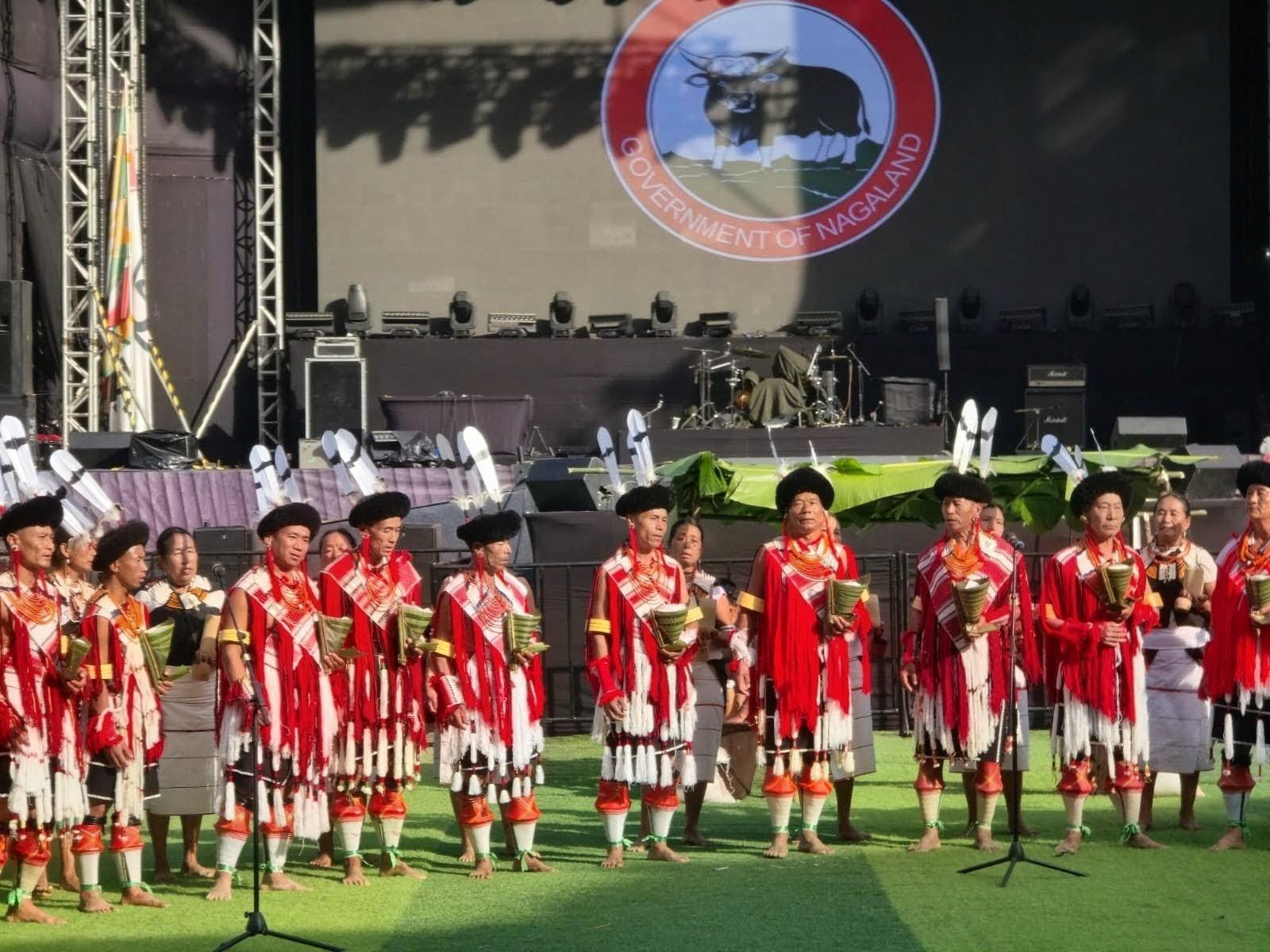
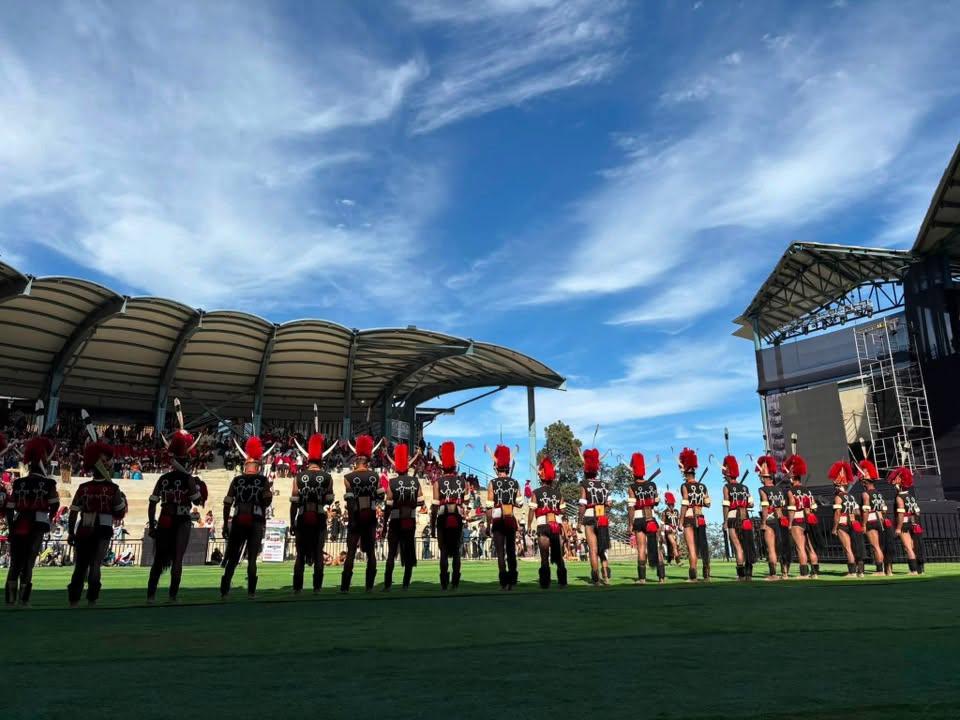
The festival itself, held at Kisama Heritage Village near Kohima from 1 to 10 December 2026, is genuinely enjoyable for all ages: colourful tribal dances, music, food, and crafts, in a large open-air setting. Children are fascinated by the costumes and performances; older travellers appreciate the rich cultural depth. What a good package does is remove the friction — the scramble for scarce hotels, the winding self-driven roads, the permit paperwork — so your family simply arrives and enjoys. It's the difference between an exhausting trip and a treasured one.
Is the Hornbill Festival Suitable for Senior Citizens?
This is the honest question many families ask, so let's answer it properly: yes, the Hornbill Festival is suitable for most senior citizens — with sensible planning and realistic expectations.
On the positive side, the main festival at Kisama takes place in a large, fairly accessible open-air arena where much of the experience is watching performances from a seated or standing position. The cultural richness is deeply rewarding for older travellers, and Nagas are warm and respectful toward elders. With a comfortable vehicle, a good hotel, and an unhurried schedule, many seniors have a wonderful time.
That said, honesty matters for a safe trip. Kohima sits at altitude and December is genuinely cold, especially mornings and evenings — important for those sensitive to cold or with respiratory conditions.
The festival involves some walking and standing, and large crowds, so mobility and stamina are worth considering. Nagaland is also a remote region with limited advanced medical infrastructure, so seniors with serious health conditions should consult their doctor before travelling and carry adequate medication and insurance. For reasonably fit, active seniors, none of this is a barrier — it's simply about choosing a comfort-first package and pacing the trip well. For those with significant mobility or health limitations, it's worth an honest conversation before booking.
Comfort-First Itinerary for Families & Elderly Travellers
The secret to a comfortable Hornbill trip is pacing — fewer things, done well, with rest between them. Here's a gentle sample structure.
Day 1 — Arrive Dimapur → Kohima. A comfortable drive up to Kohima (3–4 hours) with a rest stop. Check into a good hotel, settle in, and take the evening easy to acclimatise — no rushing on arrival day.
Day 2 — Hornbill Festival at Kisama (relaxed). A gentle half or full day at the festival, with a comfortable base to return to. See the performances, enjoy the food, and leave when the group feels ready — no pressure to stay dawn to dusk. Rest in the afternoon if needed.
Day 3 — Festival at an easy pace + Kohima sights. More of the festival in manageable doses, plus gentle local sights like the Kohima War Cemetery, which is calm and moving. Build in plenty of downtime.
Day 4 — Optional gentle excursion or rest day. A relaxed visit to a nearby village like Khonoma (with its views and culture) for those keen, or simply a restful day — the itinerary flexes to the group's energy.
Day 5 — Kohima → Dimapur → Departure. An unhurried morning and a comfortable drive back to Dimapur for departure.
The guiding principle throughout: never pack the days too tightly. For families and seniors, a relaxed trip that everyone enjoys beats an ambitious one that exhausts the group. Rest is part of the plan, not a failure of it.
Accommodation, Pace & Accessibility Tips
Where you stay and how you move make the biggest difference to comfort, so prioritise these.
For accommodation, choose comfortable, well-reviewed hotels with proper heating or warm bedding (essential in December), clean private bathrooms, and good food — and ideally rooms that don't require climbing many stairs for those with mobility needs. Being centrally located cuts down on travel time to the festival. Booking early is doubly important for families and seniors, since the best, most comfortable rooms go first.
For pace and transport, insist on a comfortable private vehicle rather than public or shared transport, with space to stretch out and flexibility to stop when needed. Keep driving days short and build in breaks. At the festival itself, go during the less-crowded hours where possible (mid-morning or the quieter mid-festival days), find a comfortable vantage point, and don't feel obliged to see everything — pick the highlights and enjoy them.
For accessibility, be realistic: the festival grounds and hill terrain aren't fully wheelchair-friendly, so for travellers with significant mobility limitations, plan carefully, arrange assistance, and choose viewing spots thoughtfully. A good operator can advise on what's feasible and arrange extra support. The overall aim is simple — remove physical strain wherever you can, so the experience stays a joy.
Health, Safety & What to Pack for Comfort
A little preparation keeps everyone well and comfortable, especially the youngest and oldest in the group.
On health and safety, seniors with any chronic conditions should consult their doctor before the trip, carry sufficient medication (plus copies of prescriptions), and take out comprehensive travel insurance — genuinely important for a remote region. Carry a basic first-aid kit and any personal medical essentials. Stay hydrated, protect against the cold, and don't overexert — rest at the first sign of tiredness. Keep emergency contacts and your accommodation details handy, and note that while Nagaland is welcoming and generally safe, advanced medical facilities are limited, so caution is wise.
For packing comfort, warm layers are the priority — a good jacket, thermals for seniors who feel the cold, caps, gloves, and warm socks, since December nights are cold. Bring comfortable, sturdy walking shoes with good grip, any personal medication, moisturiser and lip balm for the dry cold, and a small daypack for essentials. For families with children, pack their warm clothing, snacks, and anything that keeps them comfortable through the day. Carry cash in small notes, as digital payments are unreliable. Pack thoughtfully, and you remove most of the small discomforts that can otherwise wear a group down.
"The best family trips aren't measured by how much you squeeze in, but by how many smiles you bring home — across every generation."
Want to share the magic of the Hornbill Festival with your family or parents, without the stress, the rush, or the discomfort? Explore BreakBag's comfort-first Hornbill Festival 2026 packages for families and senior citizens → — with comfortable stays, private transport, a gentle pace, and every detail handled, so every generation enjoys Nagaland's greatest celebration in ease. Tell us your group's needs, and we'll build the trip around them.
You May Also Connect With Us On →
Website: BreakBag Holidays |
Email: support@breakbag.com |
Facebook: BreakBag Holidays |
Instagram: @breakbagholidays |
YouTube: BreakBag Holidays |
Threads: @breakbagholidays |
LinkedIn: BreakBag Holidays |