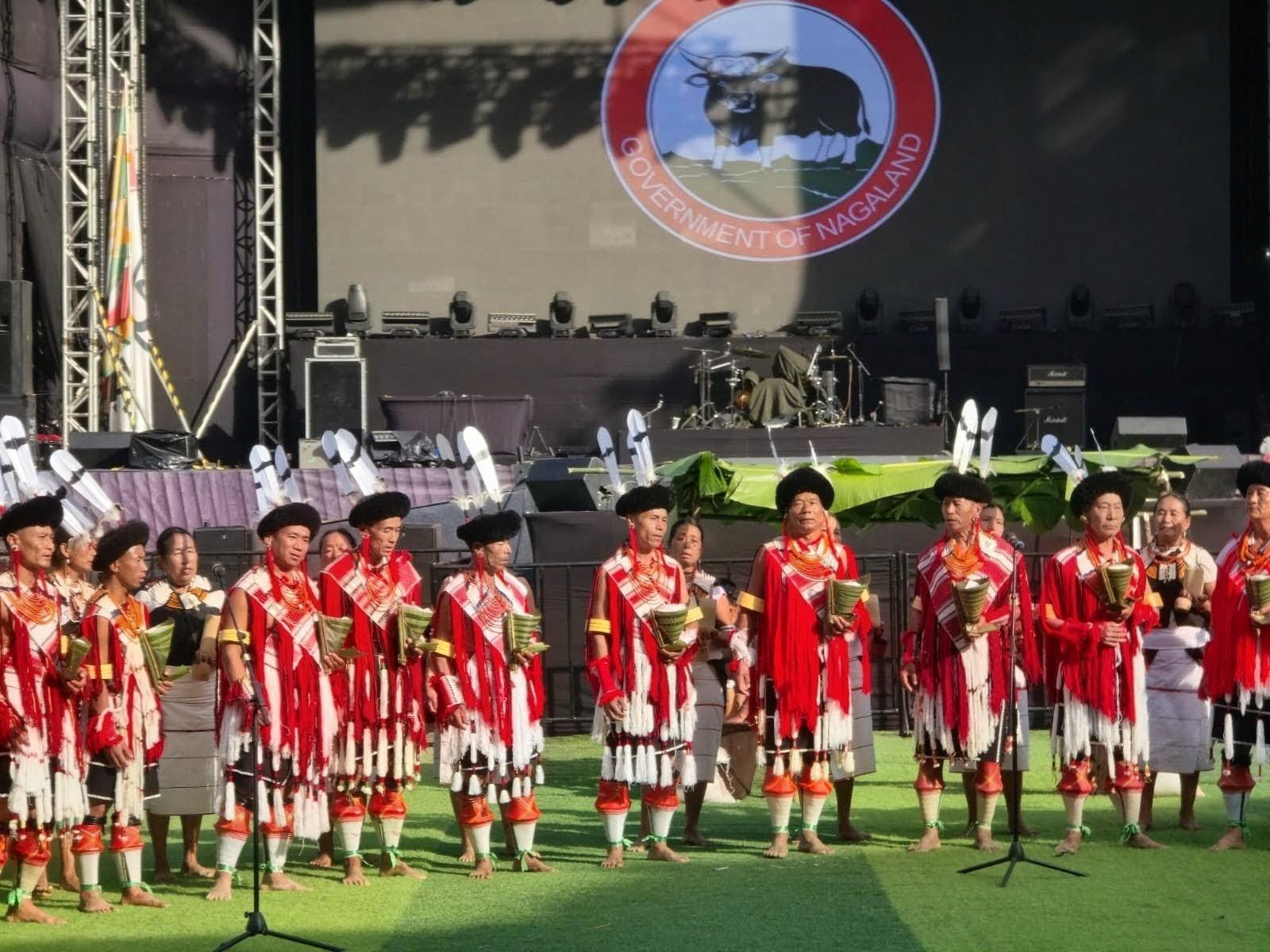
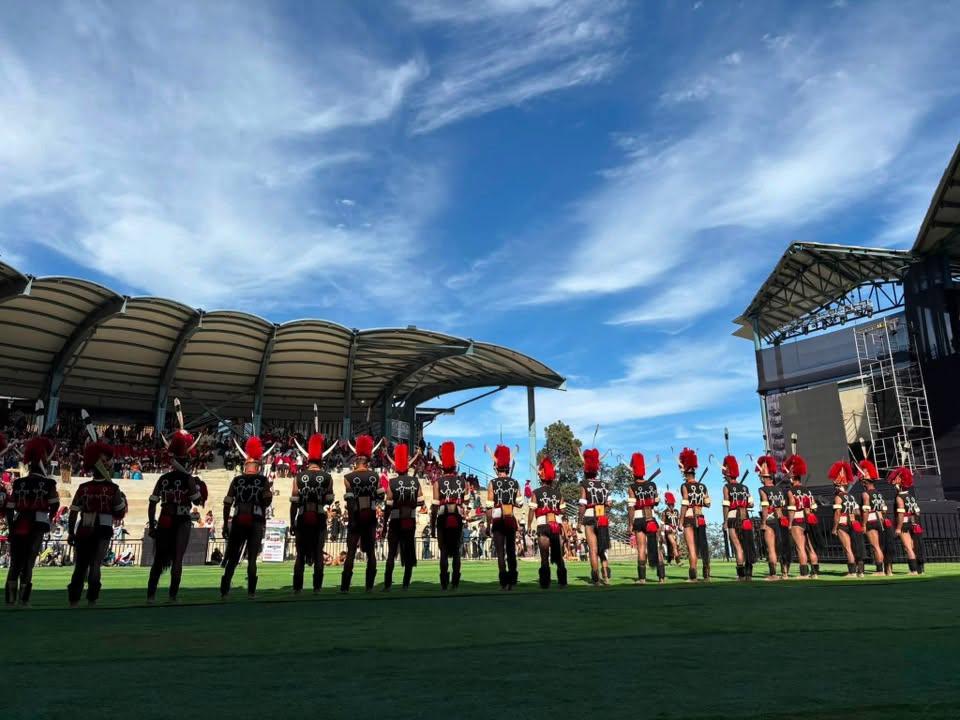
At the Hornbill Festival, the dancing draws the crowds — but for food lovers, the real adventure happens at the edges of the arena, among the morungs, where the smoke rises and the smell of grilled pork drifts on the cold air. The trouble is, with sixteen tribes each running their own kitchen, it's easy to wander aimlessly and miss the best bites.
This is your foodie's walking guide — not a list of dishes (we have a separate guide for that), but a practical route through the morungs and food stalls at Kisama. Where to go, how the stalls work, and how to plan a tasting walk that hits the highlights. Come hungry and wear comfortable shoes.
Hornbill Festival Food Stalls: What to Expect at Kisama
Before you start walking, it helps to picture the lay of the land. The food at the Hornbill Festival is spread across Kisama Heritage Village in a few distinct zones, and knowing them turns a confusing sprawl into an easy circuit.
The heart of it is the morungs — each of Nagaland's major tribes has its own traditional house arranged around the festival grounds, and most double as a kitchen and eating spot serving that tribe's own specialities. Alongside the morungs, you'll find dedicated food stalls and courts selling a wider spread of Naga dishes, snacks, grilled meats, and drinks. And beyond the daytime venue, the Kohima night bazaar in town offers a second, buzzing food scene after dark.
What to expect overall: smoky, rustic, authentic food cooked on the spot, served simply, at very affordable prices. This isn't restaurant dining — it's communal, hands-on, and wonderfully real. Stalls get busy, popular dishes sell out, and the whole thing rewards the traveller who moves with a bit of a plan. That's exactly what the rest of this guide gives you.
Eating at the Morungs: How the Tribal Stalls Work
The morungs are the soul of the Hornbill food experience, so it's worth understanding how they work before you dive in.
Each morung belongs to a specific tribe — the Angami, Ao, Konyak, Sumi, Lotha, and others — and is run by members of that community, who cook and serve their own traditional dishes. That means the food genuinely differs from morung to morung: one might specialise in smoked pork with axone, another in bamboo-shoot dishes or a particular fermented delicacy. Eating your way across the morungs is effectively a tour through the distinct kitchens of Nagaland's tribes, all in one afternoon.
Ordering is refreshingly simple: you walk up, see what's cooking (or ask), and order a plate, usually paying cash on the spot. Portions are hearty and prices modest. Seating is communal and informal — often benches or shared tables inside or beside the morung — which is part of the charm, as you'll find yourself eating alongside locals and fellow travellers. Don't be shy about asking the hosts what a dish is; they're proud of their food and happy to explain. The morungs aren't just where you eat — they're where you meet the people and the culture behind the food, which is what makes this more than a meal.
A Morung-by-Morung Foodie Walking Route
Here's how to turn all that into an actual walking plan. The exact layout shifts slightly each year, so treat this as a smart strategy rather than a fixed map — and pick up a festival programme or ask at the entrance for the current morung arrangement.
Start early and start hungry. Begin your food walk late morning, before the lunch rush and before the most popular dishes sell out. Do a quick full loop first — walk the whole circuit of morungs once without eating, to see what each is cooking that day and spot what appeals. This five-minute recce saves you from filling up too soon.
Then work the loop deliberately. Begin with the host-region (Angami) and larger morungs, which tend to have the fullest spreads, then move toward the tribes known for specific specialities you want to try — the Konyak and eastern-tribe morungs for bold, traditional dishes, the Ao and Sumi morungs for their own signatures. Pace yourself with small plates at several morungs rather than one big meal at one, so you get variety. Leave room for the stalls and drinks — the separate food courts are good for snacks, grilled skewers, and trying rice beer. And save the night bazaar in Kohima for a second round after dark.
The golden rule: graze widely, don't gorge early, and let curiosity guide you between the morungs. That's how you taste the most of Nagaland in a single festival day.
Must-Try Stalls & Dishes to Seek Out
While this is a walking guide rather than a full dish rundown (our Naga food guide covers those in depth), a few things are worth actively hunting for as you move between the morungs.
Seek out smoked pork in its various forms — with axone (fermented soybean), with bamboo shoot, or boiled Naga-style — as it's the star of most morungs and the dish to prioritise. Look for bamboo-steamed rice and galho (the comforting rice porridge) as satisfying, milder anchors for your walk. Try the grilled meats and skewers at the food stalls for quick, smoky bites between morungs. Be brave with a tiny taste of king chilli chutney if you dare — in minuscule amounts. And don't leave without a cup of zutho (rice beer), which is as much a cultural experience as a drink.
For variety, make a point of eating at several different tribes' morungs rather than one, since each offers something distinct — that contrast is the whole point of the walk. If you're vegetarian, look for boiled vegetables, bamboo-shoot dishes, and vegetable galho, and ask clearly, as some dishes contain fermented fish or meat stock. Follow the crowds and the smoke — busy stalls mean fresh, popular food — and you won't go wrong.
Foodie Tips: Timings, Cash & Where to Eat
A few practical pointers make the difference between a smooth food walk and a frustrating one.
On timings, go late morning to early afternoon for the fullest spread before dishes run out, and save the night bazaar for the evening — eating at both gives you the complete food experience. Avoid the absolute peak lunch crush at the busiest morungs if you can, or embrace it as part of the fun. On money, carry plenty of cash in small notes — this is the single most important tip, as the stalls are cash-only and change can be scarce; don't rely on cards or UPI. On comfort, wear easy walking shoes (you'll cover ground), dress warmly as it's cold even at midday, and carry wet wipes and a reusable water bottle, since eating here gets deliciously messy.
A few more: pace your eating across the day so you can keep sampling; ask the morung hosts about dishes rather than guessing; ease into the heavily fermented and spicy items if your stomach isn't used to them; and be respectful and curious — a smile and a question open up the best recommendations. And if you'd rather have someone guide you straight to the best morungs and translate as you go, a local food-savvy guide (or a package that includes one) turns the walk into an insider experience. Eat widely, eat respectfully, and Kisama will feed you like nowhere else.
"At Kisama, every morung is a door into a different kitchen — and the best way to understand Nagaland is to walk through all of them, one smoky plate at a time."
Want to eat your way through the Hornbill Festival with someone who knows exactly which morung serves the finest smoked pork and when to go? Explore BreakBag's Hornbill Festival 2026 packages → — with local guides who lead you to the best food, translate the dishes, and make sure you taste the real Nagaland, not just the nearest stall.
You May Also Connect With Us On →
Website: BreakBag Holidays |
Email: support@breakbag.com |
Facebook: BreakBag Holidays |
Instagram: @breakbagholidays |
YouTube: BreakBag Holidays |
Threads: @breakbagholidays |
LinkedIn: BreakBag Holidays |