


History & Meaning of the Hornbill Festival: Why the Hornbill Bird Matters to the Nagas
By the BreakBag Travel TeamEvery December, the hills around Kohima fill with drums, dance, and colour as the Hornbill Festival unfolds. Most visitors come for the spectacle. But behind the performances lies a story far richer than the ten days suggest — a story of why this festival was created, what the hornbill bird means to the Naga people, and how a single celebration came to hold the heritage of an entire land.
To truly appreciate the Hornbill Festival, you have to understand its meaning. This is that story — the history, the symbolism, and the deep cultural significance of Nagaland's greatest celebration.
The History of the Hornbill Festival: How It Began
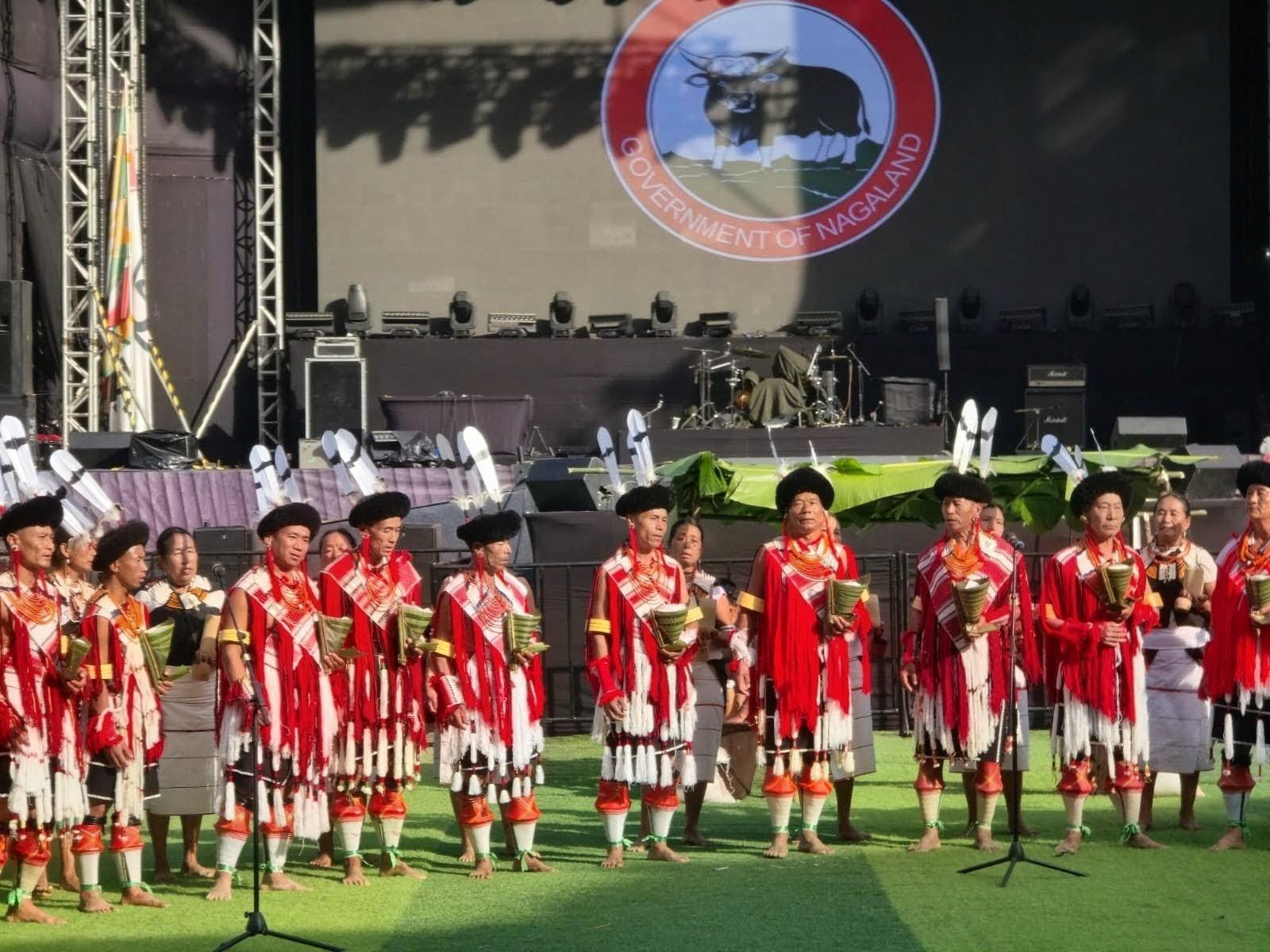
The Hornbill Festival is younger than many assume. It was first organised in the year 2000 by the Government of Nagaland, in partnership with the state's tourism and art and culture departments — making it a relatively modern creation with a very old purpose.
The reason behind its founding is the key to understanding it. Nagaland is home to 16 or so major tribes, each with its own language, customs, dress, and festivals — a diversity so rich that tribes traditionally had little reason to gather together. As the modern world pressed in, there was a real fear that these distinct heritages, and the unity among the tribes, could fade. The Hornbill Festival was conceived as the answer: a single annual gathering where all the tribes could come together to celebrate, preserve, and showcase their cultures under one roof.
Held at the purpose-built Kisama Heritage Village near Kohima, and running from 1 to 10 December to coincide with Nagaland's Statehood Day (the state was formed on 1 December 1963), the festival quickly grew from a cultural initiative into one of India's most celebrated events. What began as a effort to safeguard tradition has become a vibrant, internationally known celebration — earning its nickname, the "Festival of Festivals." Its history, though short in years, is rooted in a centuries-old heritage.
Why Is It Called the Hornbill Festival?
The name is no accident — and it reveals the festival's soul. The festival is named after the hornbill, a large, striking bird that features deeply in the folklore, traditions, and daily life of almost all of Nagaland's tribes.
Choosing the hornbill as the festival's namesake was a deliberate and meaningful decision. No other single symbol is so widely shared across the many different Naga tribes — while their languages and customs differ, reverence for the hornbill is something they hold in common. By naming the festival after the bird, its founders chose a symbol that could unite all the tribes under one banner, representing their shared identity and heritage.
So the name isn't about watching hornbills in the wild — it's about what the bird represents: the common cultural thread that binds Nagaland's diverse peoples together. The hornbill is, in effect, the emblem of Naga identity itself, which is why it gives the Festival of Festivals its name.
What the Hornbill Bird Means to the Naga Tribes
To understand the festival, you have to understand the bird — and its place in Naga life runs deep. For generations, the hornbill has been revered across Naga culture as a symbol of bravery, grandeur, beauty, and honour.
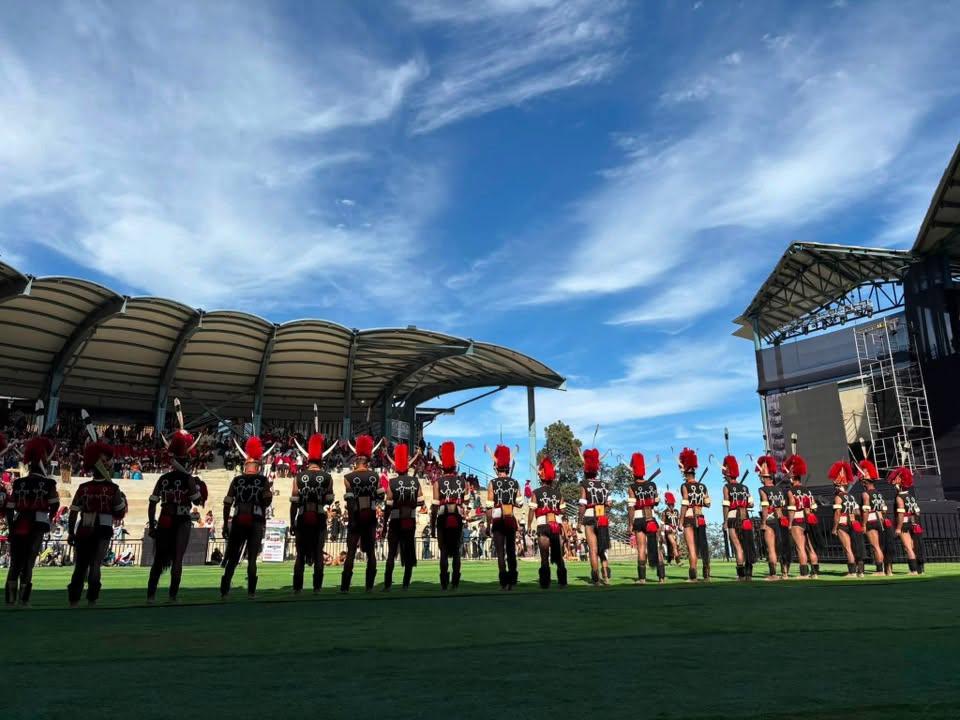
Its significance shows up most visibly in traditional dress. Hornbill feathers have long adorned the ceremonial headgear of Naga warriors and dignitaries, where they were not mere decoration but marks of distinction — traditionally, the right to wear hornbill feathers had to be earned through acts of valour, success in war, or feasts of merit. To wear the feather was to carry a visible sign of achievement and standing within the community. The bird appears, too, in Naga folklore, songs, and art, woven into the stories and imagery of many tribes.
The hornbill's qualities — its majestic appearance, its strength, its striking presence — made it a natural emblem of the values the Nagas held dear. (It's worth noting that this deep cultural reverence now sits alongside modern conservation awareness, as hornbill populations face pressure, and many Naga communities today champion protecting the very bird they honour.) Understanding this reverence is understanding why the festival carries the bird's name with such pride.
The Cultural Significance of the Festival Today
Beyond its origins, what does the Hornbill Festival mean today — to the Nagas and to India? Its significance works on several levels.
First, it's a celebration and preservation of heritage. For ten days, every major tribe showcases its traditional dances, music, folk songs, attire, cuisine, crafts, and indigenous games — keeping alive practices that might otherwise fade, and passing them to younger generations. Second, it's a powerful force for unity. By bringing together tribes that were historically distinct — and sometimes rivals — the festival fosters a shared Naga identity and mutual understanding, which was its founding purpose. Third, it has become vital for tourism and the state's economy, drawing hundreds of thousands of visitors and putting Nagaland firmly on the global cultural map.
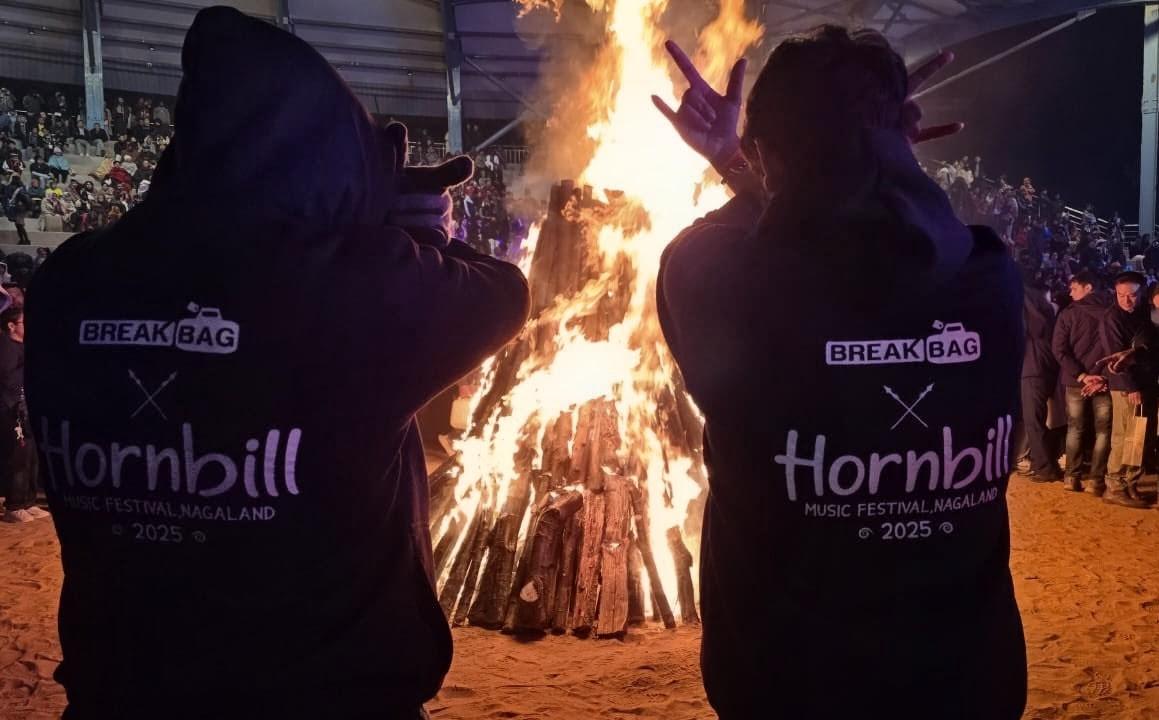
The festival has also grown to embrace the contemporary alongside the traditional — a renowned music festival, a literature festival, culinary contests, and more now run alongside the tribal showcases, reflecting a living culture that honours its past while engaging the present. In that balance lies its real significance: the Hornbill Festival isn't a frozen museum piece, but a dynamic celebration of a people proud of who they are and confident about where they're going.
How the Festival Preserves Naga Heritage
Perhaps the festival's most important role is the quiet one it plays in safeguarding Naga culture for the future. In a fast-changing world, traditions that aren't actively practised can disappear within a generation or two — and the Hornbill Festival was created precisely to prevent that.
It does this in tangible ways. It gives each tribe a stage and a reason to keep performing its dances, singing its songs, weaving its textiles, and cooking its traditional food — practices that stay alive through use, not just memory. It draws young Nagas into their own heritage, letting them see, learn, and take pride in the customs of their tribe and others. It documents and showcases crafts, attire, and rituals that might otherwise go unrecorded. And by generating interest and income, it gives communities a practical incentive to maintain their traditions rather than abandon them.
In this way, the festival turns preservation into celebration — making heritage something joyful and shared rather than a burden of the past. For a land as culturally rich and diverse as Nagaland, that's a gift not just to the Nagas, but to all of us. To attend the Hornbill Festival, then, is to witness a culture actively choosing to remember itself — and that's what makes it so much more than a show.
"The Hornbill Festival is Nagaland remembering itself out loud — and inviting the world to listen. Behind every dance is a people determined that their story will not be forgotten."
Now that you know what the Hornbill Festival truly means, there's only one thing left — to experience it for yourself. Explore BreakBag's Hornbill Festival 2026 packages → — and witness the history, the heritage, and the heart of Nagaland first-hand, with local guides who bring the story behind the spectacle to life.
You May Also Connect With Us On →
Website: BreakBag Holidays |
Email: support@breakbag.com |
Facebook: BreakBag Holidays |
Instagram: @breakbagholidays |
YouTube: BreakBag Holidays |
Threads: @breakbagholidays |
LinkedIn: BreakBag Holidays |
Similar Destination
Hornbill Festival Tour Package 2026 with Dzukou Valley Trek
3N Kigwema · 1N Dzukou Valley · 1N Kigwema
Looking for a hassle free trip?
Connect with our experts! Get the best Itineraries and Offers!