


A Photographer's Diary from Hornbill Festival 2026: Capturing the Soul of Nagaland Through the Lens
By the BreakBag Travel TeamPhotography has the remarkable ability to preserve emotions, cultures, and fleeting moments that words often struggle to describe. Some destinations offer beautiful landscapes, while others provide colourful festivals, but very few combine both in such an extraordinary way as the Hornbill Festival 2026. Held annually from 1st to 10th December at Kisama Heritage Village, approximately 12 kilometres from Kohima, the Hornbill Festival Nagaland is widely regarded as one of the most photogenic cultural festivals in India. It brings together Nagaland's diverse tribes, vibrant traditions, indigenous sports, colourful ceremonies, authentic cuisine, and spectacular music performances into one unforgettable celebration.
As a travel photographer, I have always believed that the best photographs are not the ones with perfect composition—they are the ones that tell authentic stories. My journey to the Hornbill Festival 2026 was not about collecting thousands of images; it was about documenting the heartbeat of Nagaland Tourism, understanding the people behind the traditions, and discovering moments that could never be recreated. Every frame became a conversation, every portrait reflected generations of history, and every landscape reminded me why North East India remains one of the most rewarding destinations for travel photography.
From sunrise over the misty hills surrounding Kohima to the rhythmic tribal dances inside Kisama Heritage Village, every hour presented a completely different visual story. The changing light transformed traditional Morungs into living museums, colourful tribal attire glowed under the morning sun, and the evening concerts filled the festival grounds with dramatic stage lighting and endless creative possibilities. For photographers, the Hornbill Festival Tour is not simply another assignment—it is a rare opportunity to capture living heritage, genuine human expressions, and breathtaking mountain landscapes within a single destination.
This diary is more than a collection of photographs. It is a journey through the lens, documenting unforgettable encounters, hidden moments, vibrant colours, and the extraordinary people who make the Hornbill Festival one of Asia's most remarkable cultural celebrations. Whether you are planning your own Hornbill Festival Tour Package, searching for photography inspiration, or dreaming of exploring Nagaland, I hope these stories encourage you to look beyond the obvious and discover the true beauty hidden behind every frame.
Day 1 – The First Light Over Kisama Heritage Village
The alarm rang before sunrise, but excitement had already replaced sleep. As our vehicle left Kohima and slowly climbed towards Kisama Heritage Village, the first rays of morning light began to illuminate the surrounding mountains. The roads were unusually quiet, wrapped in a blanket of mist that floated gently between the pine-covered hills. Even before reaching the festival grounds, I knew this was going to be one of those rare days when every direction offered a photograph waiting to be captured.
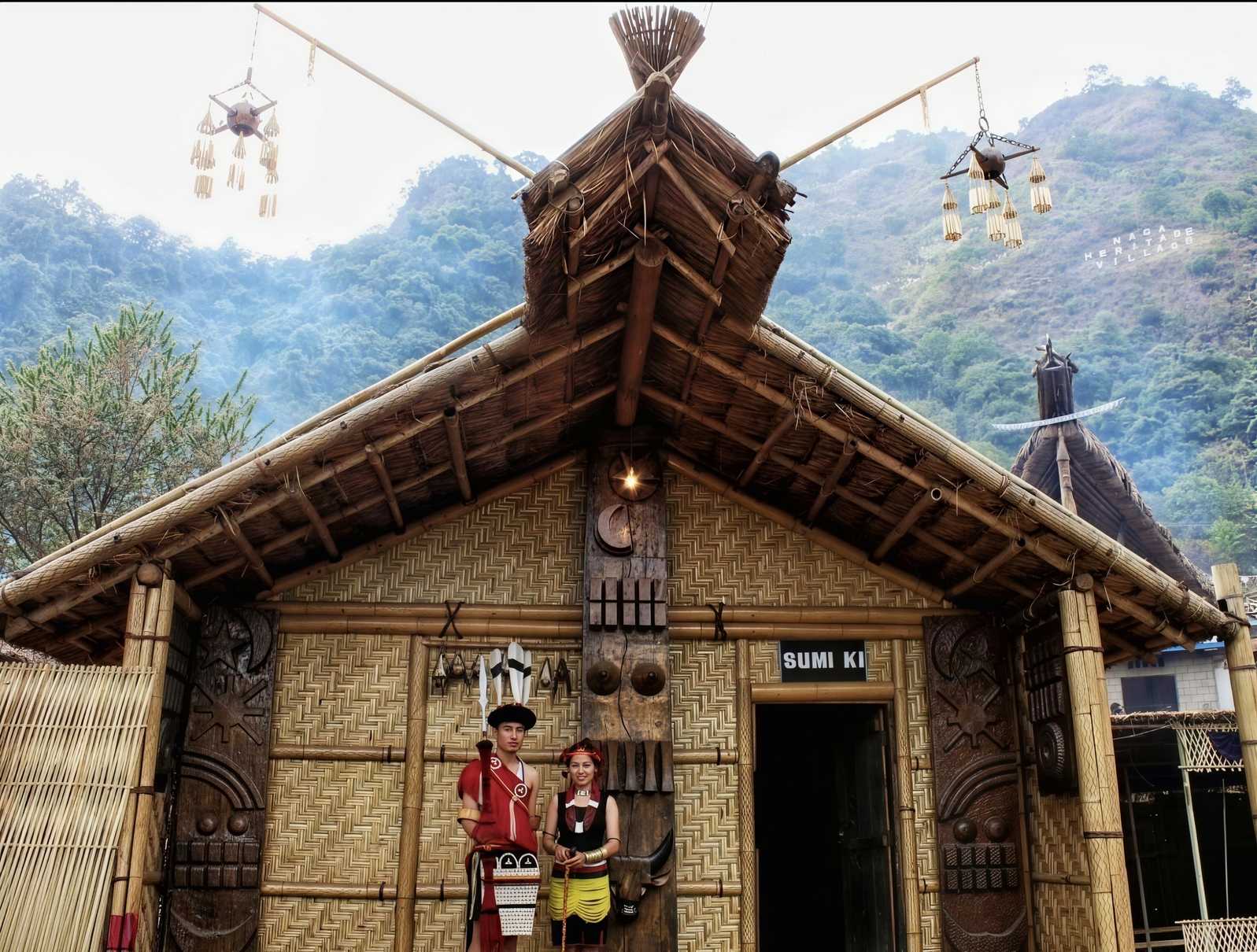
The entrance to Kisama Heritage Village was already buzzing with activity. Local artisans arranged handcrafted bamboo products, musicians tuned traditional instruments, and tribal performers carefully prepared their ceremonial attire inside the Morungs. These quiet moments before the crowds arrived often become the most meaningful photographs of any festival. Instead of photographing performances immediately, I wandered through the village observing people preparing for the day. A weaver adjusting a traditional shawl, an elderly craftsman polishing a wooden sculpture, and children laughing while practising dance steps created images filled with authenticity rather than spectacle.
As the sun rose higher, the warm golden light transformed the entire heritage village. The bamboo architecture glowed beautifully against the deep blue sky, while colourful tribal costumes created striking contrasts that every photographer dreams of finding. The Hornbill Festival 2026 is unique because it offers an incredible variety of subjects within walking distance—portraits, architecture, landscapes, food, wildlife, and cultural performances all blend seamlessly into one visual story.
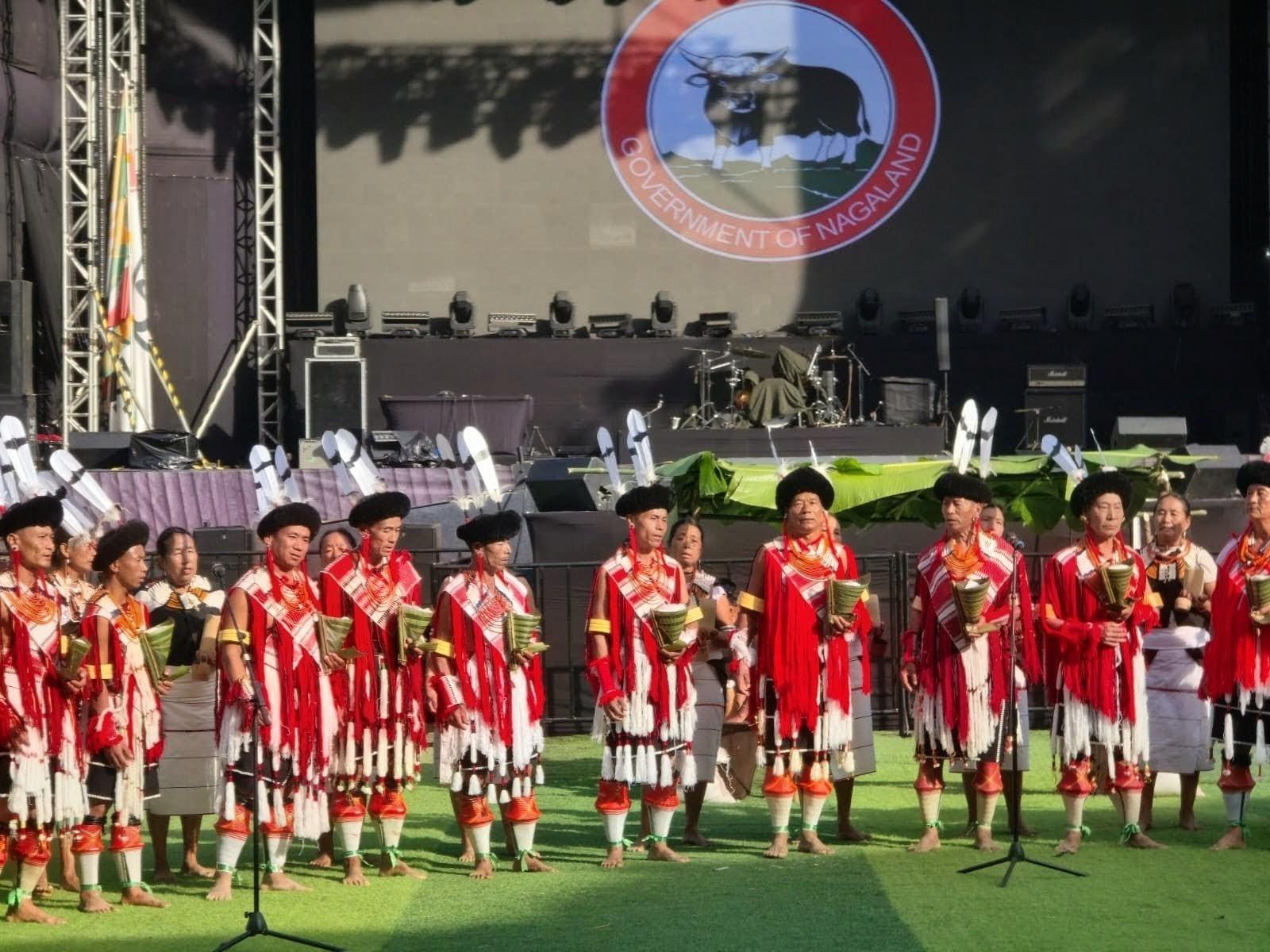
The first dance performance of the morning instantly changed the atmosphere. The rhythmic beat of traditional log drums echoed across the valley, followed by chants that seemed to carry centuries of history. Through my viewfinder, I wasn't simply photographing dancers—I was documenting living traditions that continue to thrive in modern India. Every movement, expression, feathered headgear, handcrafted necklace, and woven shawl reflected the identity of Nagaland's tribal communities.
By lunchtime, my memory cards were already filling up, yet I realised that the most valuable images were often those captured away from the main stage. A child curiously watching performers, an elderly woman weaving baskets outside her Morung, and two musicians sharing a quiet conversation became some of my favourite photographs of the day. They reminded me that great travel photography isn't always about dramatic action—it is about observing humanity with patience and respect.
As evening approached and the lights of the Hornbill International Music Festival illuminated the valley, I packed away my camera for a moment and simply watched. Sometimes the most beautiful memories are experienced before they are photographed. Day One had ended, but I already knew the next sunrise would reveal another completely different side of the Hornbill Festival Nagaland.
Day 2 – Portraits That Tell a Thousand Stories
The second morning at the Hornbill Festival 2026 began differently. Instead of rushing towards the main cultural arena, I decided to slow down and spend the day focusing on one thing—people. Festivals are often remembered for their grand performances and colourful celebrations, but behind every dance, every song, and every traditional ceremony are individuals carrying generations of history. I wanted my camera to capture not just beautiful faces but the emotions, traditions, and untold stories that define the soul of Nagaland Tourism.
The morning light filtered gently through the bamboo roofs of the Morungs at Kisama Heritage Village, creating soft, natural lighting that every portrait photographer dreams of. As I wandered through the village, I met an elderly Angami gentleman sitting quietly outside his traditional house. His weathered face, silver hair, and ceremonial attire reflected decades of wisdom. Instead of immediately raising my camera, I introduced myself and spent several minutes talking with him. He shared stories about how the Hornbill Festival Nagaland had evolved over the years, how younger generations were now proudly preserving their traditions, and why cultural identity remained so important to the Naga people.
Only after our conversation did I ask if I could take his portrait. He smiled warmly, adjusted his beautifully woven shawl, and looked directly into the camera. That single image became one of my favourite photographs of the entire trip—not because of perfect composition, but because it represented trust, respect, and genuine human connection. It reminded me that the best travel photography begins with conversation rather than clicking the shutter.
As the festival grounds became busier, opportunities for portraits appeared everywhere. Young performers carefully applying traditional face paint, women weaving colourful shawls, musicians tuning handmade instruments, and children curiously observing visitors all became wonderful subjects. Every photograph carried a different mood. Some reflected joy, others pride, and a few captured quiet moments of reflection before performances began. Each face told a story that words alone could never fully express.
One particularly memorable encounter happened inside a tribal Morung, where a group of women demonstrated traditional weaving techniques. Their hands moved effortlessly across handlooms while they chatted and laughed together. The rhythmic movement of colourful threads, combined with soft natural light entering through bamboo walls, created an intimate atmosphere that was impossible to ignore. Instead of taking wide-angle photographs, I focused on details—the wrinkles on experienced hands, vibrant threads crossing each other, handcrafted jewellery, and expressions of concentration. These close-up images revealed the craftsmanship that lies at the heart of Nagaland's cultural heritage.
Throughout the afternoon, I realised that portrait photography at the Hornbill Festival 2026 is not about collecting faces—it is about preserving stories. Every elder carries memories of traditions passed down through generations. Every artisan reflects years of dedication to preserving handmade crafts. Every dancer represents the pride of an entire community. Every child symbolises the future of Naga culture. Capturing these stories responsibly means photographing people with dignity rather than treating them as tourist attractions.
As the golden hour arrived, the entire atmosphere changed once again. Warm sunlight illuminated the colourful bead necklaces, feathered headgear, and intricately woven shawls worn by performers preparing for the evening's cultural programmes. It was one of those rare moments when photography felt almost effortless. The light was perfect, the subjects were relaxed, and the festival itself seemed to pause briefly before another evening of celebration began.
Walking back towards my accommodation in Kohima, I reviewed the day's photographs on my camera screen. Surprisingly, none of my favourite images featured grand performances or crowded stages. Instead, they were portraits of ordinary people—smiling artisans, thoughtful elders, curious children, and dedicated performers. Those photographs reminded me that while the Hornbill Festival is celebrated for its colourful traditions, its greatest beauty lies in the people who continue to keep those traditions alive. For me, Day Two wasn't about capturing faces; it was about capturing the heart of Nagaland through the lens.
Day 3 – Colours, Culture, and the Rhythm of the Festival
By the third day of my journey at the Hornbill Festival 2026, I had stopped thinking like a tourist and had started seeing the festival through the eyes of a storyteller. The excitement of arriving had settled, and my camera was no longer searching for obvious photographs. Instead, it was searching for emotions, interactions, movement, and the countless small details that most visitors walked past without noticing. As the first rays of sunlight reached Kisama Heritage Village, I realised that the beauty of the Hornbill Festival Nagaland was not just in its colours—it was in its rhythm.
The festival slowly came to life as tribal communities prepared for another day of celebrations. Performers carefully adjusted feathered headgear, polished ceremonial weapons, tightened handmade bead necklaces, and draped beautifully woven shawls over their shoulders. Watching these preparations felt like witnessing history unfolding before my eyes. Every tribe had its own unique identity, and every costume carried symbols that represented bravery, community, harvest, or ancestral traditions. Rather than photographing the final performances immediately, I spent nearly an hour documenting these quiet backstage moments. In many ways, they revealed more about Nagaland Tourism than the performances themselves.
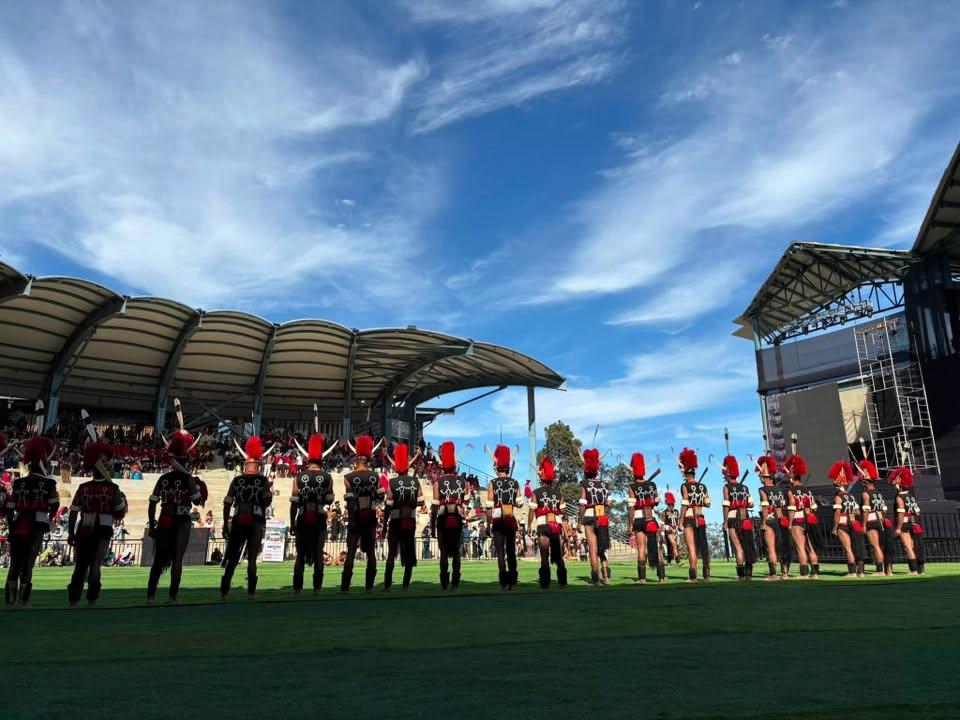
Soon, the sound of traditional log drums echoed across the valley, announcing the beginning of another cultural showcase. Thousands of visitors gathered around the main arena as tribal groups from different regions of Nagaland stepped onto the stage. Through my viewfinder, the scene was nothing short of extraordinary. Vibrant red, black, white, and yellow traditional garments contrasted beautifully against the lush green hills surrounding Kisama Heritage Village. Spears, shields, bamboo instruments, and ceremonial ornaments added depth to every frame, while synchronized dance movements created dynamic compositions that seemed almost impossible to miss.
Photographing these performances required patience rather than speed. Instead of constantly pressing the shutter, I waited for meaningful moments—the exact second when dancers looked toward the sky, when drummers struck the massive log drums together, or when performers smiled after completing a traditional chant. These tiny fractions of a second often created photographs that felt alive. I quickly realised that festival photography isn't about taking hundreds of pictures every minute; it's about anticipating emotion before it happens.
As the performances ended, I wandered into the artisan market where another visual story was unfolding. Skilled craftsmen carved intricate wooden sculptures using simple hand tools, while women patiently demonstrated traditional weaving techniques inside the Morungs. A young bamboo artisan invited me to watch him create a beautifully woven basket from freshly cut bamboo strips. His hands moved with incredible precision, transforming raw material into something both practical and artistic. The sunlight filtering through the bamboo walls created soft shadows that beautifully highlighted every movement. It was one of those moments where photography became less about documenting an object and more about celebrating human craftsmanship.
By afternoon, the food stalls became one of my favourite places to photograph. Steam rose from freshly prepared traditional dishes, local chefs smiled as they served visitors, and colourful ingredients filled wooden bowls across the market. Instead of photographing food alone, I focused on the interaction between people—the laughter shared between travellers trying spicy Naga King Chilli, the curiosity of children tasting local delicacies for the first time, and the pride with which vendors explained recipes passed down through generations. These photographs reminded me that culture is not only performed on stage—it is experienced through everyday conversations and shared meals.
As evening approached, the atmosphere transformed once again. Warm golden light covered the hills surrounding Kohima, creating the perfect setting for environmental portraits. I found myself standing quietly near one of the Morungs as an elderly musician practised a traditional bamboo instrument before the evening programme. There was no audience, no applause, and no performance just one man preserving a musical tradition that had survived for centuries. I captured only a few frames before putting my camera down and simply listening. Some experiences deserve to be felt before they are photographed.
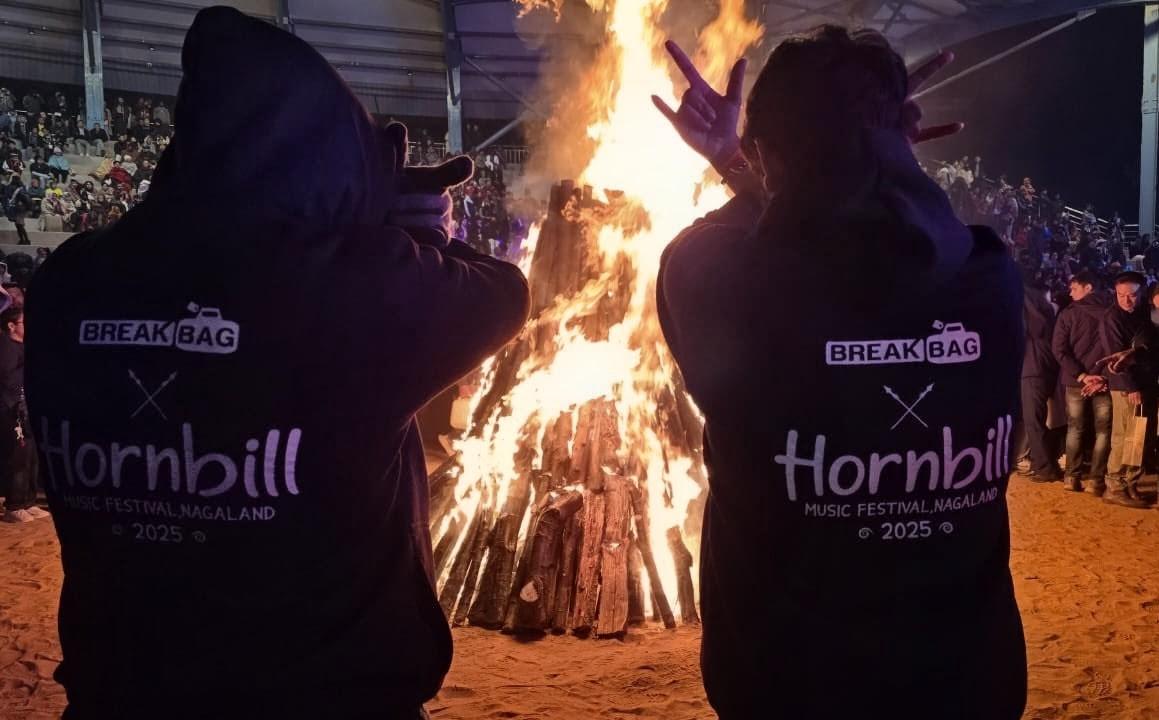
When darkness finally settled over Kisama Heritage Village, the festival entered its most energetic phase. The Hornbill International Music Festival lit up the night with colourful stage lights, enthusiastic crowds, and incredible live performances. Switching from natural light to concert photography was a creative challenge, but it perfectly reflected the dual identity of the festival—deeply rooted in tradition while embracing modern creativity. As I packed my camera late that evening, I realised that Day Three had taught me one important lesson: the Hornbill Festival 2026 is not just about preserving culture; it is about allowing culture to evolve while remaining proud of its roots. That is perhaps the most powerful photograph I carried home—not one stored on my memory card, but one permanently etched in my memory.
Day 4 – Beyond the Festival: Discovering the Hidden Beauty of Nagaland
After spending three incredible days immersed in the vibrant celebrations of the Hornbill Festival 2026, I decided to step beyond the festival grounds and explore the landscapes that make Nagaland one of the most beautiful yet underrated destinations in North East India. While Kisama Heritage Village had filled my camera with colourful portraits, traditional dances, and cultural ceremonies, I wanted my final photographs to capture another side of the state—the quiet villages, mist-covered mountains, winding roads, and everyday life that exist beyond the festival. Sometimes, the most meaningful travel photographs are found far away from the crowds.
Leaving Kohima shortly after sunrise, our journey took us towards Khonoma Green Village, India's first officially recognised green village. The drive itself was breathtaking. Narrow mountain roads twisted through dense forests, while layers of rolling hills slowly emerged from the morning mist. Every few kilometres, I found myself asking the driver to stop. A lone farmhouse surrounded by terraced fields, sunlight filtering through ancient pine trees, and clouds drifting gently across distant valleys all became irresistible photographic opportunities. These weren't dramatic tourist attractions; they were quiet moments that reflected the peaceful rhythm of life in Nagaland.
Arriving in Khonoma, I immediately understood why photographers fall in love with this village. Stone pathways, traditional Angami houses, colourful flowers blooming beside wooden fences, and endless terraced rice fields created an atmosphere that felt untouched by time. Unlike the energetic pace of the Hornbill Festival Nagaland, Khonoma moved slowly. Villagers greeted visitors with warm smiles, children played freely along the narrow lanes, and elderly residents quietly worked in their gardens. It was a reminder that photography isn't always about finding action—sometimes it's about appreciating stillness.
One of my favourite photographs from the entire journey came unexpectedly. An elderly woman carrying a woven bamboo basket slowly walked across the terraced fields beneath a backdrop of mist-covered mountains. There was nothing dramatic about the scene, yet it perfectly represented the simplicity and dignity of rural life in Nagaland. I waited patiently until she reached the centre of the landscape before pressing the shutter. Looking back, that image tells more about Nagaland Tourism than any grand festival performance ever could.
Later in the day, we continued towards Dzukou Valley, often called the "Valley of Flowers of the North East." Even during winter, the valley possessed an extraordinary beauty. Vast stretches of golden grasslands rolled endlessly across the mountains, interrupted only by winding streams and rocky ridges. The silence was almost overwhelming. After several days surrounded by music, celebrations, and crowds, standing alone in the valley with only the sound of the wind felt almost therapeutic. Landscape photography here required a completely different mindset. There were no colourful costumes or expressive faces—only light, shadows, textures, and nature's endless patterns.
As sunset approached, the sky transformed into brilliant shades of orange, pink, and deep purple. The surrounding mountains slowly disappeared beneath layers of mist while the last rays of sunlight illuminated the valley below. Instead of taking hundreds of photographs, I captured only a handful. Sometimes, the most powerful images come when you stop chasing every frame and simply wait for nature to reveal itself.
On the drive back to Kohima, I realised that my camera had documented two completely different stories over the past four days. The Hornbill Festival 2026 had introduced me to the colourful traditions, music, and cultural heritage of Nagaland, while destinations like Khonoma Green Village and Dzukou Valley had revealed the state's peaceful soul. Together, they painted a complete picture of a destination that is far more than just a festival.
That evening, as I reviewed my photographs one final time, I noticed something unexpected. The images I treasured most were not necessarily the technically perfect ones. They were the photographs that carried emotion—a smile shared between strangers, a craftsman's weathered hands, a child watching a cultural performance, an elderly farmer walking across a mountain field, and the first rays of sunlight touching the hills of Nagaland. Those were the moments that transformed my trip from a photography assignment into a personal journey.
The Hornbill Festival may have been the reason I travelled to Nagaland, but it was the people, the landscapes, and the quiet moments beyond the festival that truly stole my heart. Through my lens, I came searching for photographs—but I left with stories, friendships, and memories that no camera could ever fully capture.
Final Reflections – The Best Photograph Was Never Taken
As I packed my camera bag on the final morning and prepared to leave Nagaland, I couldn't resist taking one last walk through the now-familiar streets of Kohima. The excitement of the previous days had gradually settled into quiet reflection. The camera around my neck felt heavier than when I had arrived—not because of its weight, but because it was carrying thousands of moments that would forever remind me of the extraordinary journey called the Hornbill Festival 2026.
During my time at Kisama Heritage Village, I had photographed colourful tribal dances, traditional ceremonies, handcrafted bamboo products, smiling children, elderly artisans, breathtaking landscapes, delicious Naga cuisine, and the energetic atmosphere of the Hornbill International Music Festival. My memory cards were filled with thousands of images. Some would eventually find their way into travel magazines, social media galleries, tourism campaigns, and photography exhibitions. Others would remain quietly stored on hard drives, waiting to be rediscovered years later. Yet, as I reflected on the journey, I realised that the most valuable photograph I carried home was one that I never actually captured.
It was a moment that happened on my final evening at the festival. As the sun slowly disappeared behind the hills surrounding Kisama Heritage Village, an elderly tribal musician sat outside his Morung playing a traditional bamboo instrument. Nearby, a group of children quietly listened while visitors slowly walked past. The light was beautiful. The composition was perfect. My camera was ready.
But I didn't press the shutter. Instead, I simply stood there and listened.
For several minutes, there was no urgency to document anything. There was no need to search for the perfect angle, adjust camera settings, or think about social media. There was only music floating through the cool mountain air, the gentle sound of conversations, and the peaceful rhythm of life that defines Nagaland. In that moment, I realised that not every experience needs to become a photograph. Some moments deserve to remain exactly as they are—experienced fully, remembered deeply, and treasured quietly.
That realisation changed the way I now think about travel photography.
Great photography is not about owning the most expensive camera or visiting the most famous destinations. It is about slowing down enough to notice the details that others overlook. It is about respecting the people you photograph, understanding the stories behind their traditions, and recognising that every portrait represents a lifetime of experiences. The Hornbill Festival Nagaland taught me that every woven shawl carries history, every tribal dance tells a story, every handcrafted bamboo basket reflects generations of skill, and every smile offered by a local resident represents the legendary hospitality that makes Nagaland Tourism so special.
Looking back, I realised that the festival had given me far more than beautiful photographs. It had given me conversations with strangers who became friends, lessons in patience while waiting for the perfect light, appreciation for cultures different from my own, and a deeper understanding of why preserving indigenous traditions matters. Photography became the excuse to travel, but the people of Nagaland became the reason I wanted to return.
For anyone considering a Hornbill Festival Tour Package, my advice is simple: bring your camera, but don't spend your entire journey looking through the viewfinder. Watch the sunrise over the hills of Kohima. Listen to the echo of traditional log drums across Kisama Heritage Village. Taste authentic Naga cuisine without immediately reaching for your phone. Wander through the Morungs and talk to the artisans who have dedicated their lives to preserving their heritage. Spend a quiet afternoon in Khonoma Green Village, trek through the breathtaking landscapes of Dzukou Valley, and pause occasionally to appreciate the silence between the celebrations.
Those are the moments that transform a holiday into a life experience. As my vehicle slowly left Kohima and began the winding drive back towards Dimapur, I looked one last time at the mountains disappearing into the morning mist. My camera bag was full, but my heart felt even fuller. I knew I would eventually edit the photographs, publish the stories, and share the memories with the world.
But deep inside, I also knew something else. No photograph I had taken could ever fully capture the feeling of standing in the middle of the Hornbill Festival 2026, surrounded by music, culture, mountains, and people who welcomed strangers as friends.
Some places are simply too beautiful to fit inside a camera frame. Nagaland is one of them.
Travel with BreakBag Holidays – Experience Hornbill Festival Beyond the Lens
The Hornbill Festival 2026 is more than a destination—it is an emotion, a celebration of heritage, and an unforgettable journey into the heart of Nagaland. At BreakBag Holidays, we don't just organise tours; we curate immersive travel experiences that connect you with local culture, authentic traditions, breathtaking landscapes, and unforgettable stories.
Whether you're a photographer, solo traveller, couple, family, cultural enthusiast, or adventure seeker, our carefully designed Hornbill Festival Tour Packages, Nagaland Tour Packages, and North East India Tours ensure that every moment of your journey is meaningful.
Why Travel with BreakBag Holidays?
-
Carefully Curated Hornbill Festival 2026 Group Tours
-
Premium Hotels, Boutique Homestays & Heritage Stays
-
Visits to Kohima, Kisama Heritage Village, Khonoma & Dzukou Valley
-
Local Tour Leaders with Destination Expertise
-
Comfortable Transportation Throughout the Journey
-
Authentic Cultural Experiences Beyond Typical Sightseeing
-
Small Group Departures for Better Experiences
-
24×7 On-Tour Assistance
"Every frame captures a moment, but only a journey through Hornbill Festival captures the soul of Nagaland."
Ready to experience the colours, culture, and unforgettable moments of Hornbill Festival 2026?
Join BreakBag Holidays for expertly curated Hornbill Festival Tour Packages and discover Nagaland through experiences you'll remember long after the photographs are taken.
Similar Destination
Hornbill Festival Tour Package 2026 with Dzukou Valley Trek
3N Kigwema · 1N Dzukou Valley · 1N Kigwema
Looking for a hassle free trip?
Connect with our experts! Get the best Itineraries and Offers!